1960s
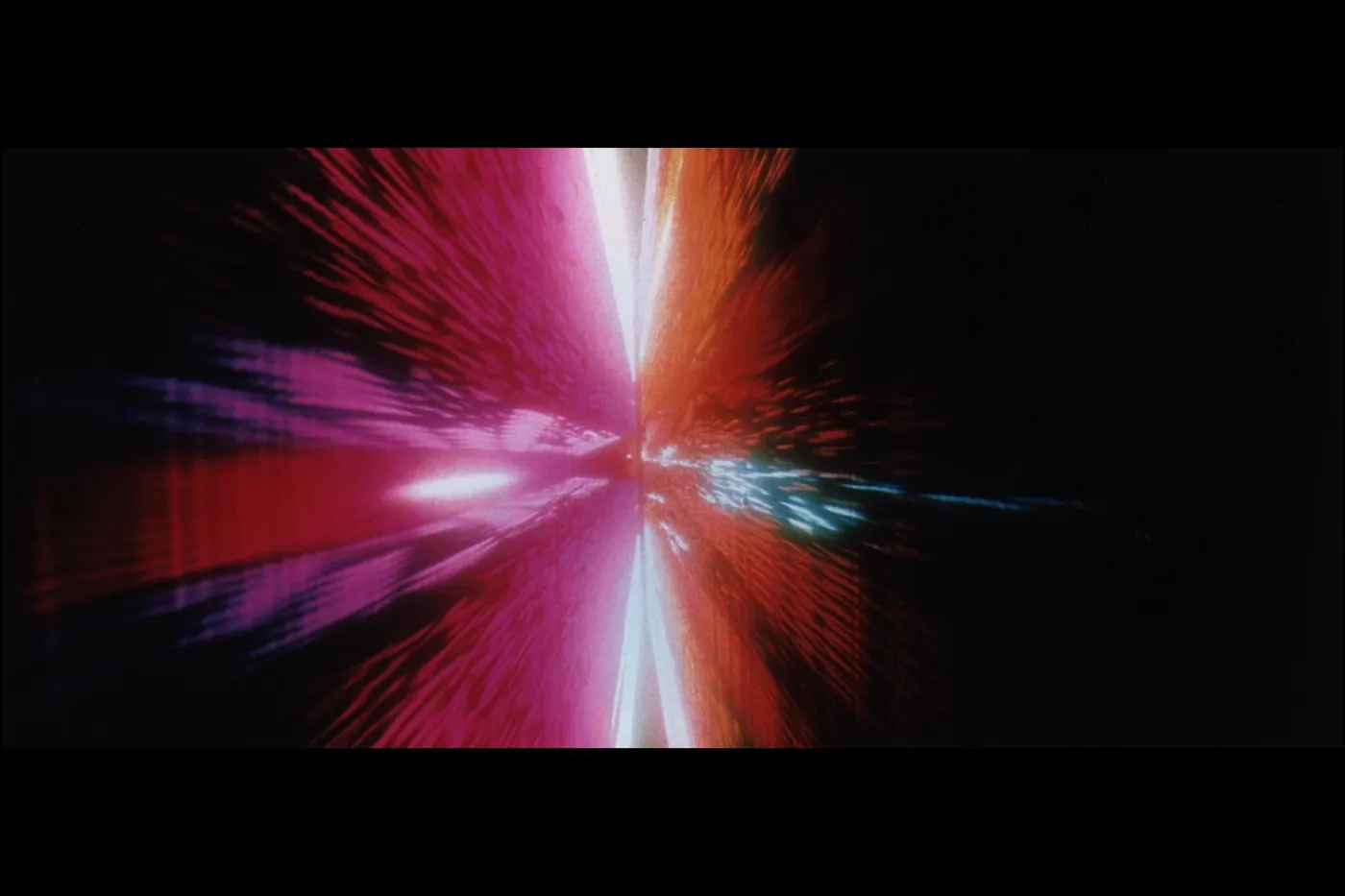
Slit-Scan Photography
1968: Star-Gate sequence. Afterwards, science fiction and title design.
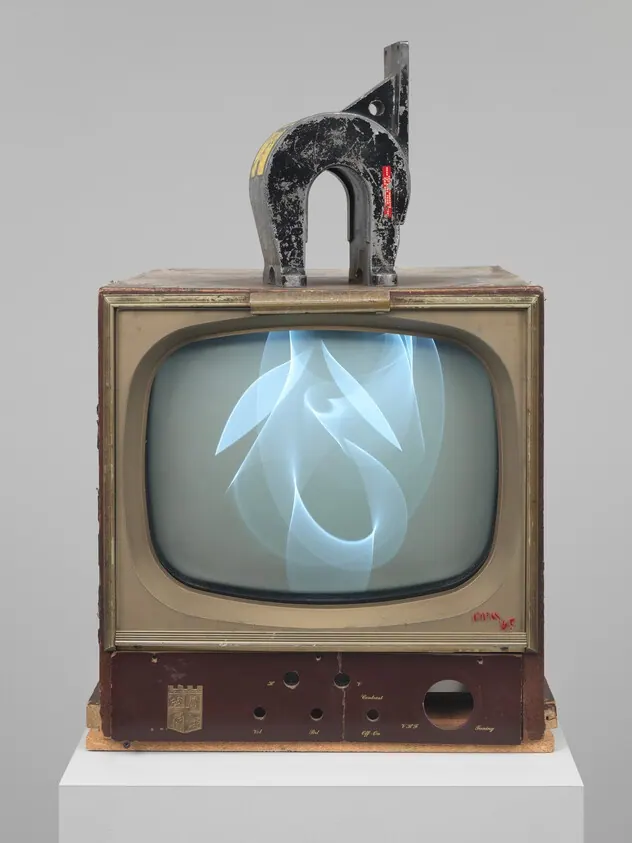
Magnetic CRT Distortion
1960s: Television images become material for media art.
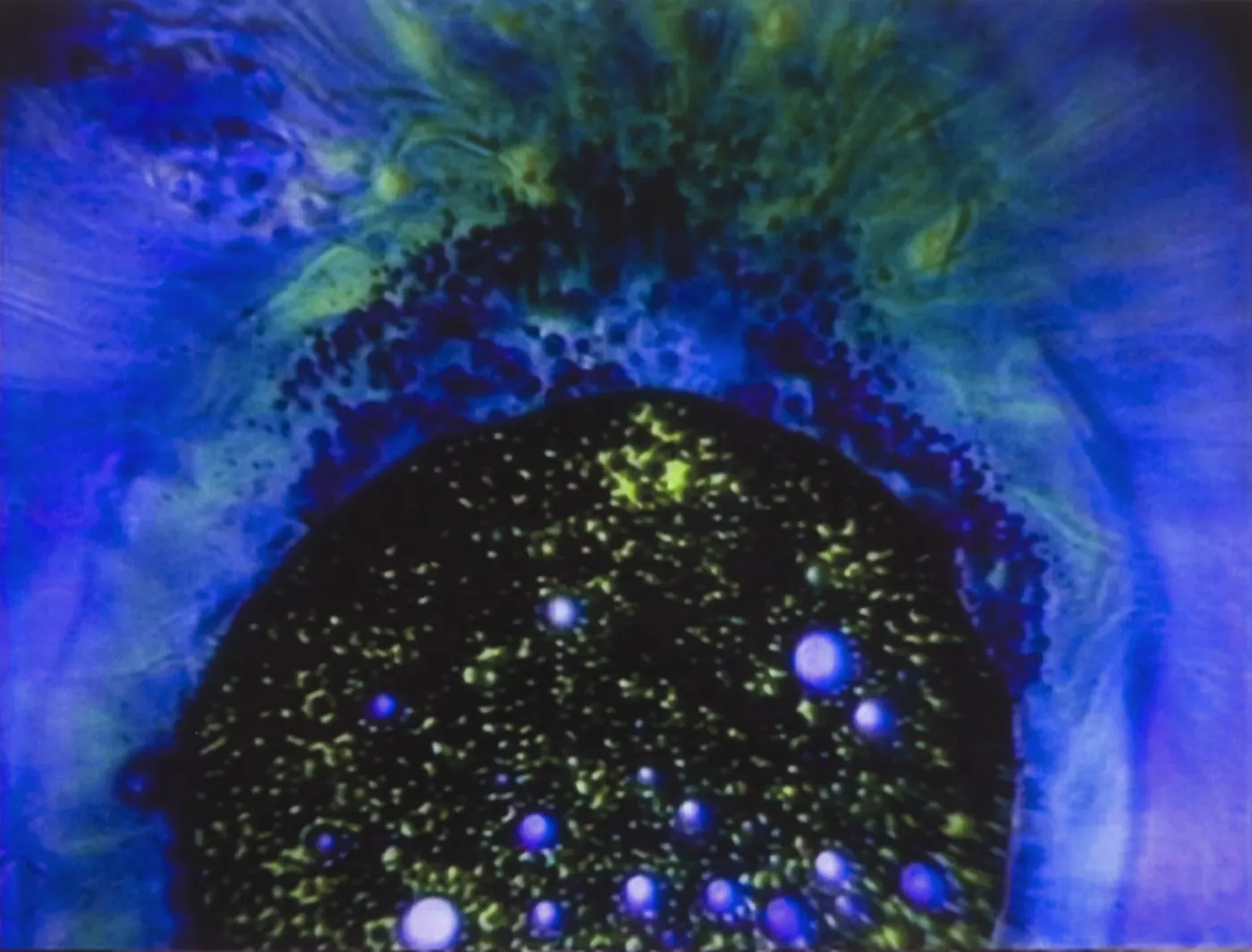
Liquid Light Show
1967–1969: Joshua Light Show and psychedelic concerts.
Film Grain
1960s reportage aesthetics; film grain has existed since earlier emulsions.

False-Color Infrared
1960s aerial and experimental color photography; earlier technical precursors
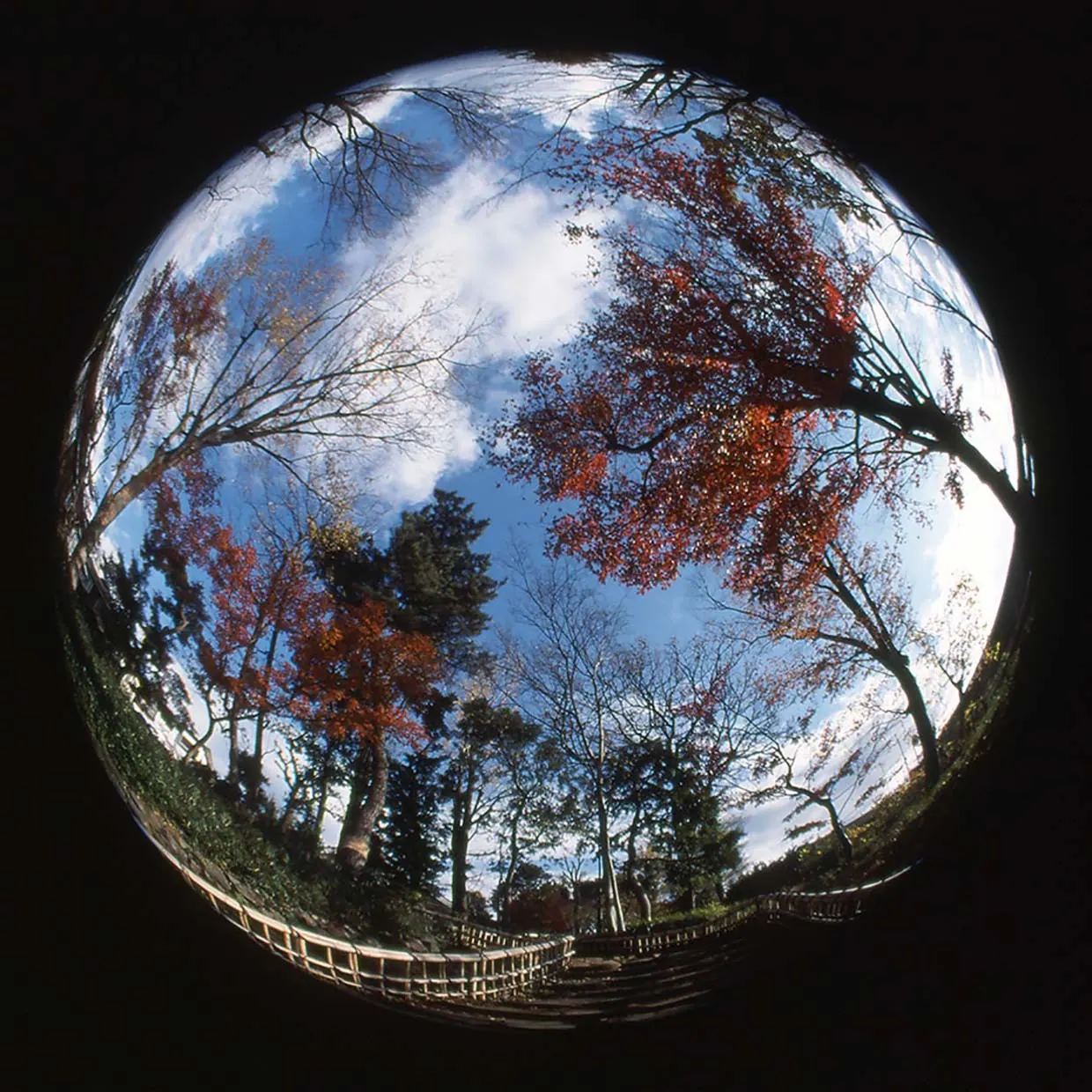
Fisheye Lens
1962: Fisheye-Nikkor 8 mm for 35mm cameras
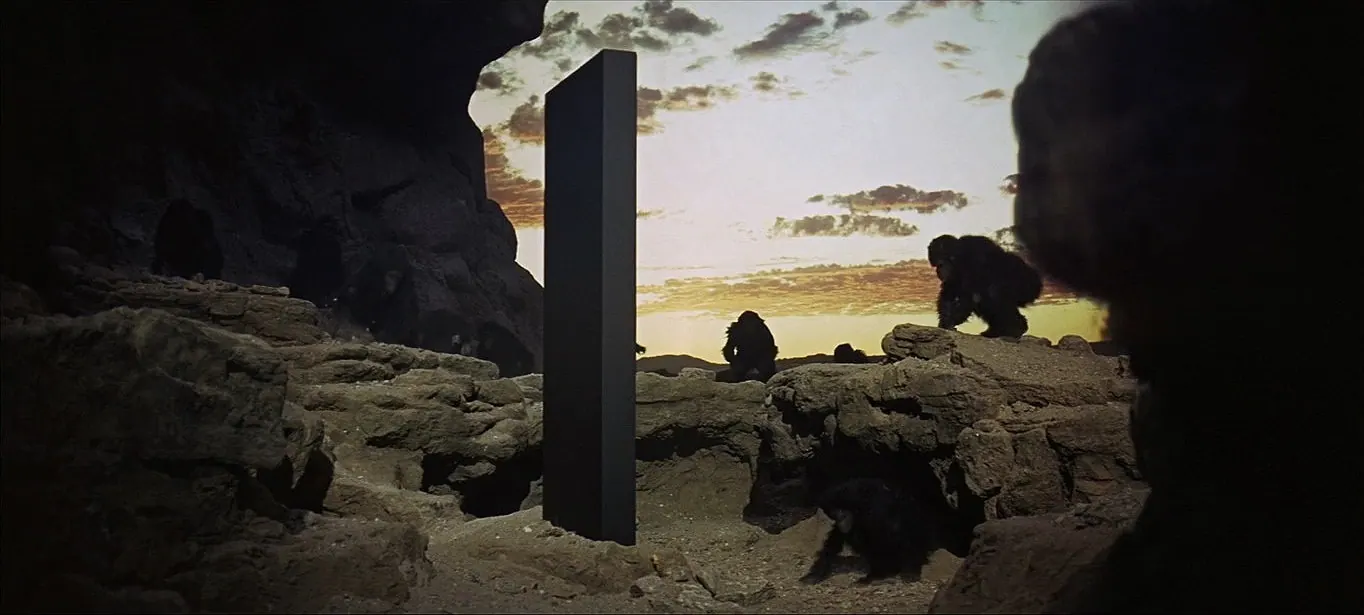
Front Projection
1968: 2001 as a prominent milestone
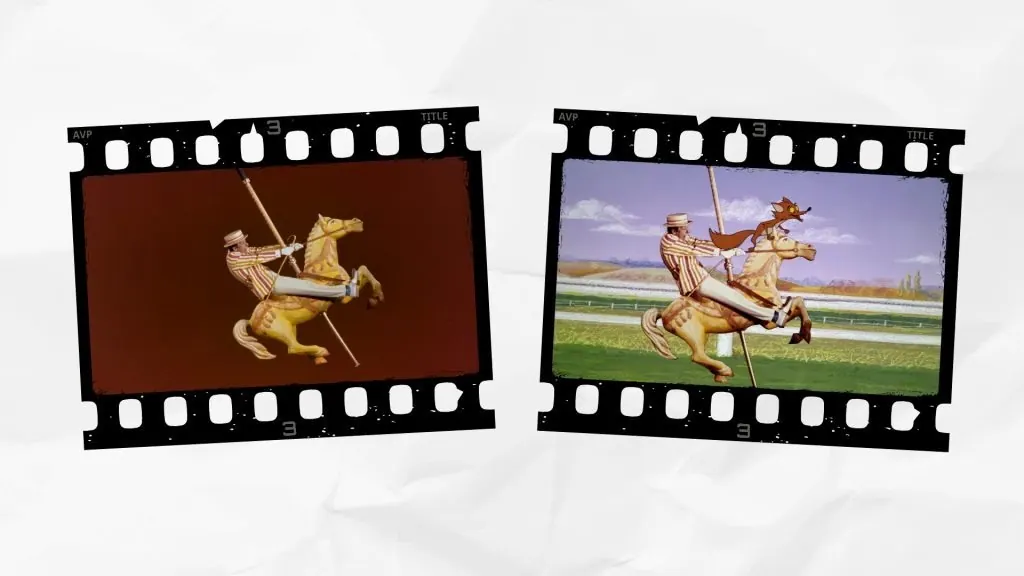
Sodium Vapor Process
Developed in the 1950s; Disney successes of the 1960s
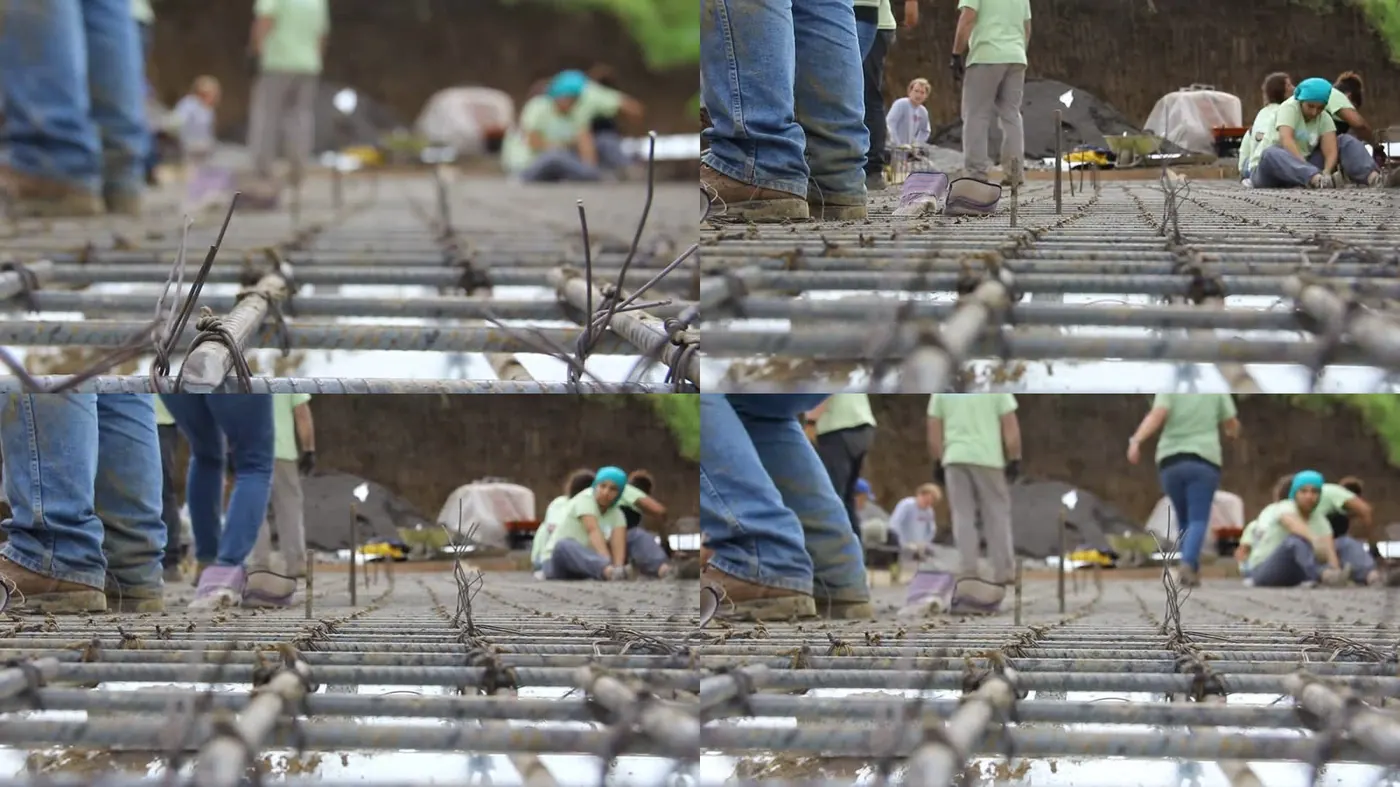
Rack Focus
1967: a striking example in New Hollywood

ASCII Art
Character-based computer images since the 1960s; terminal and net art.
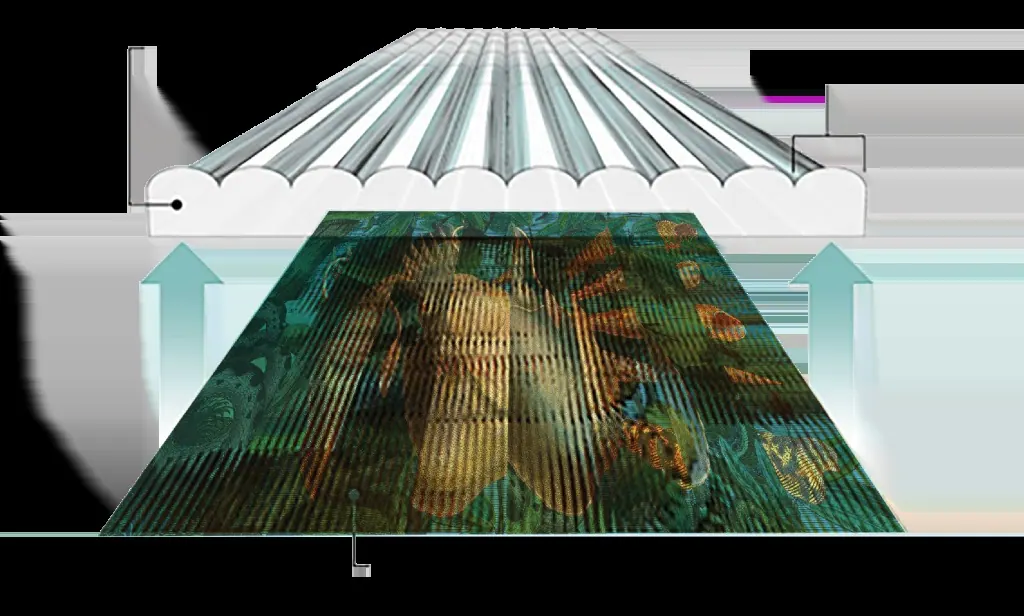
Lenticular Print
1964: LOOK parallax panoramagram as a media example
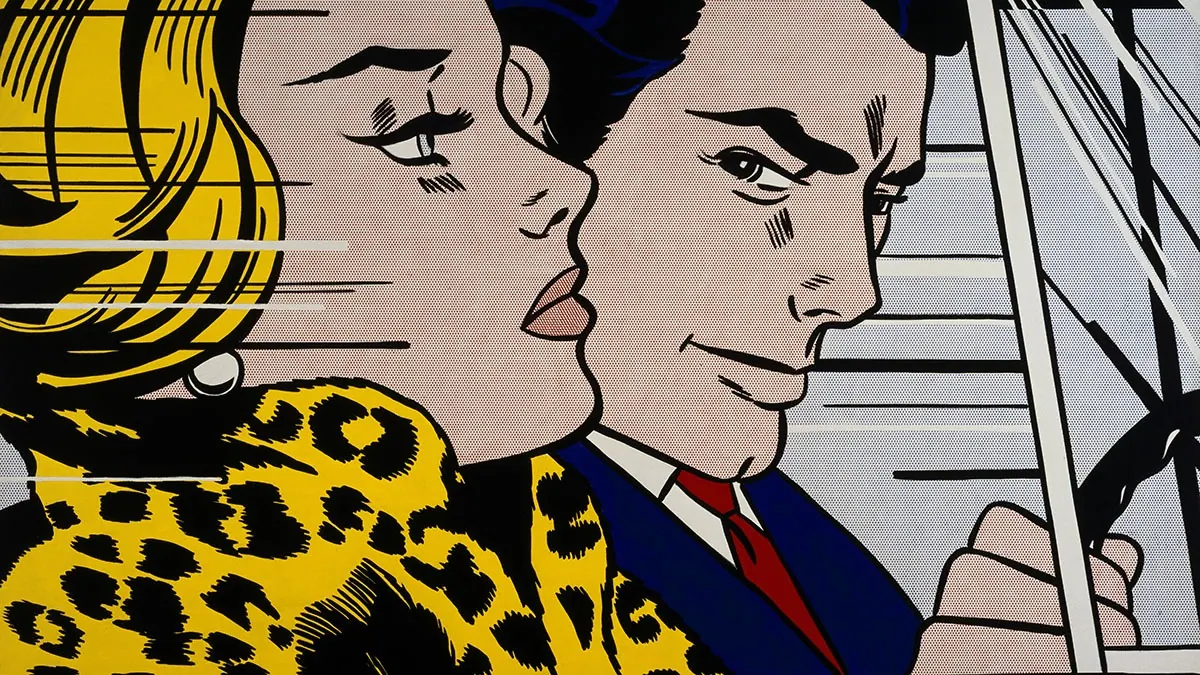
Ben-Day Dots
1879: Ben-Day trial; 1961–1962: Lichtenstein's appropriation
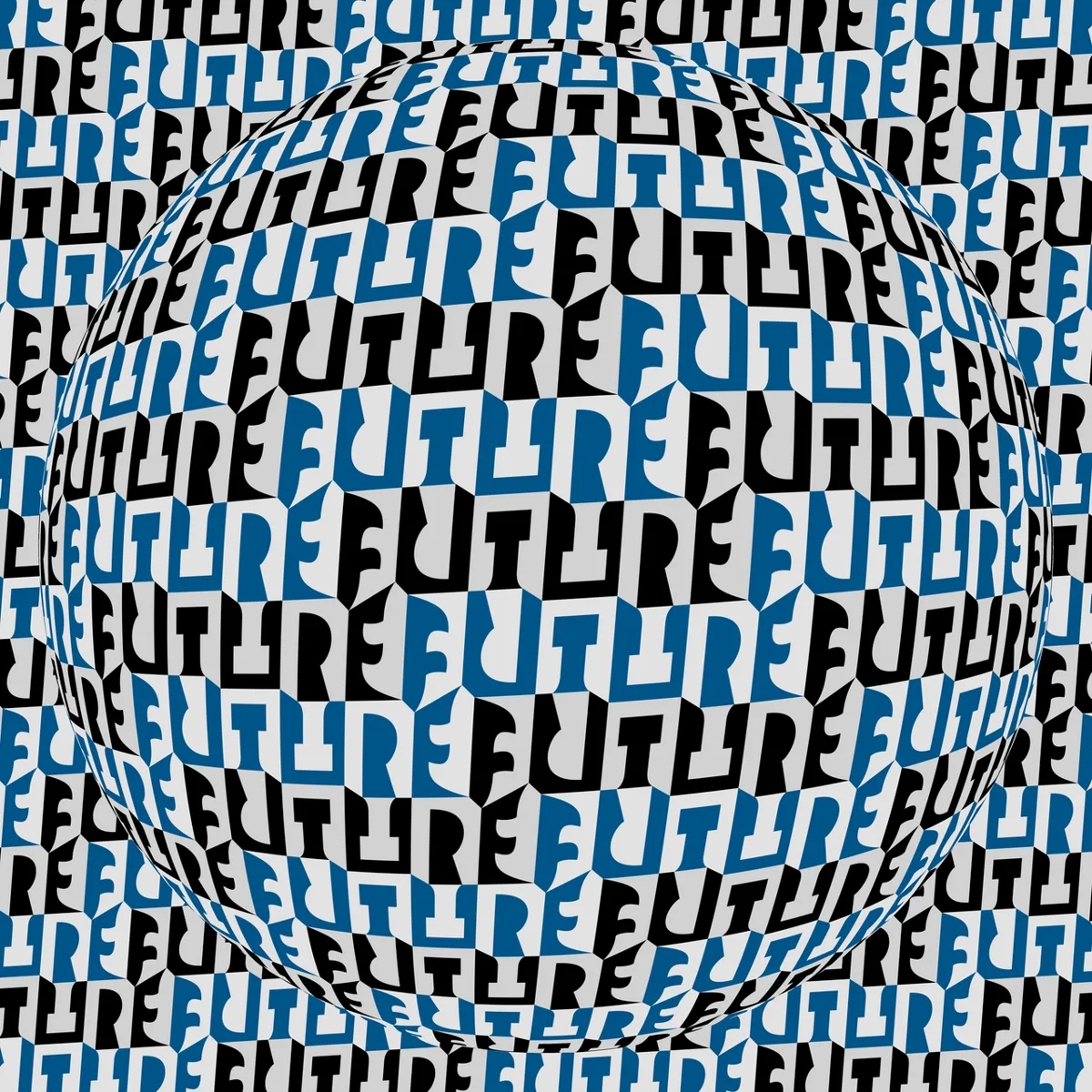
Op Art
1964, Time magazine coins the term
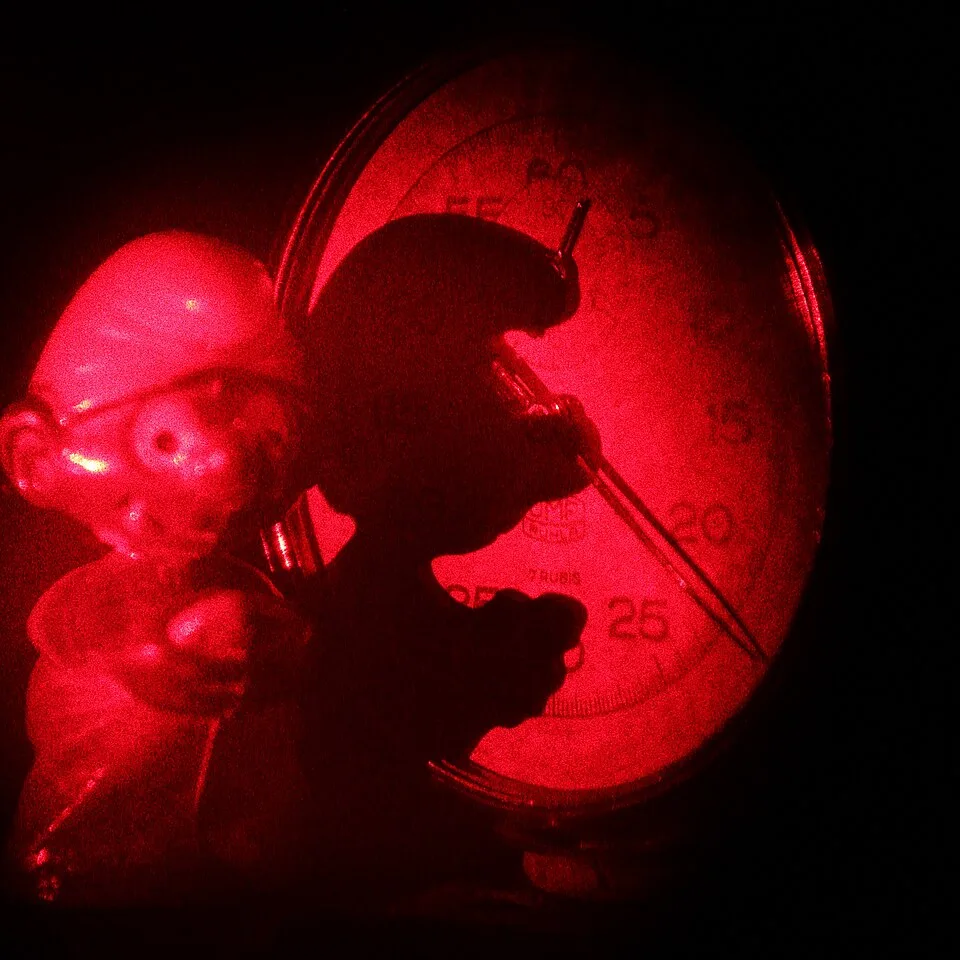
Holography
1962, Emmett Leith and Juris Upatnieks' first laser transmission holograms
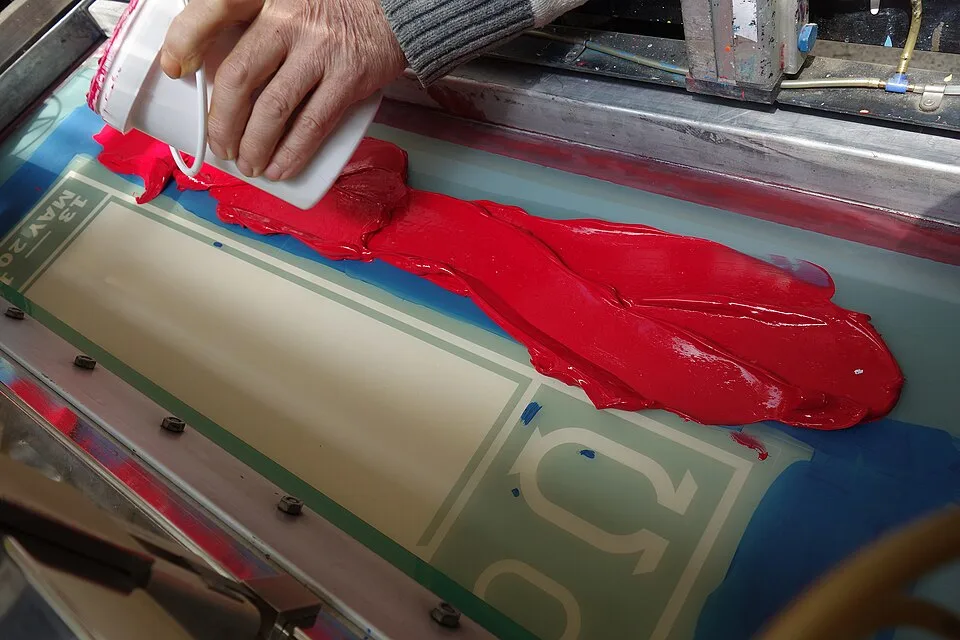
Silkscreen Print
1962, Andy Warhol's Pop Art
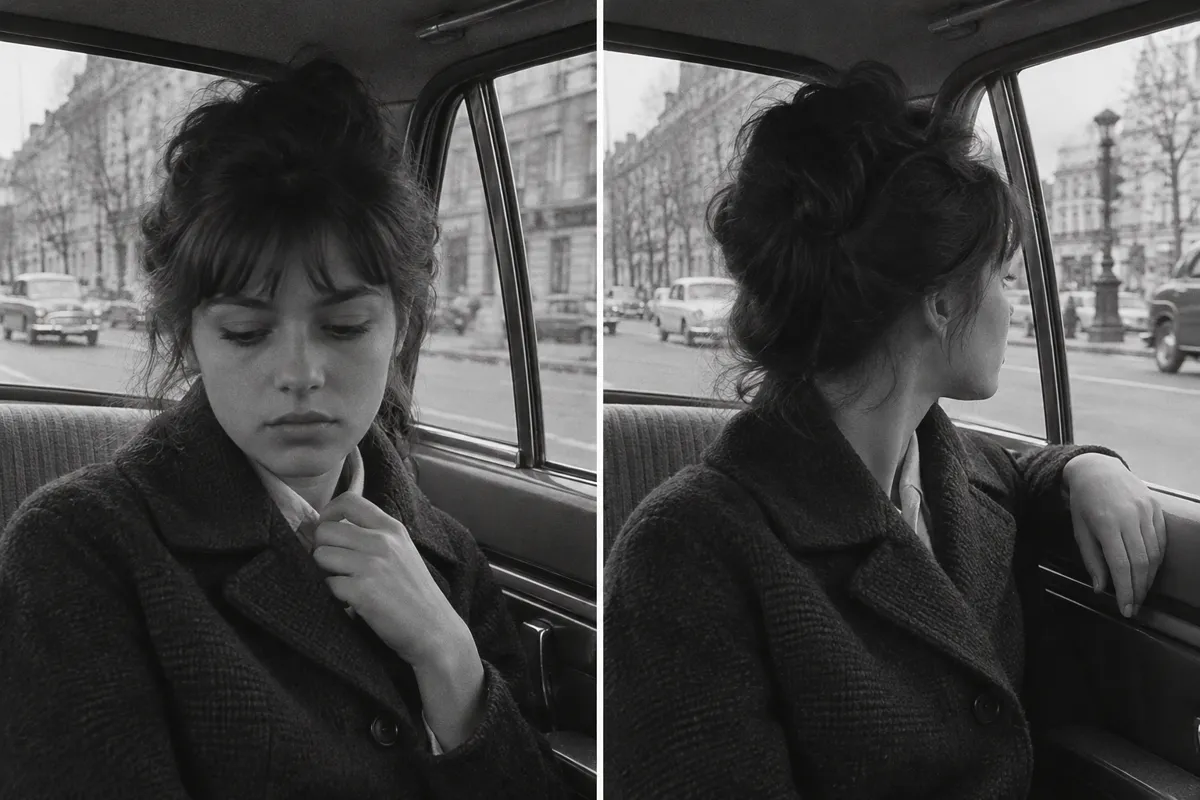
Jump Cut
1960, Jean-Luc Godard's Breathless
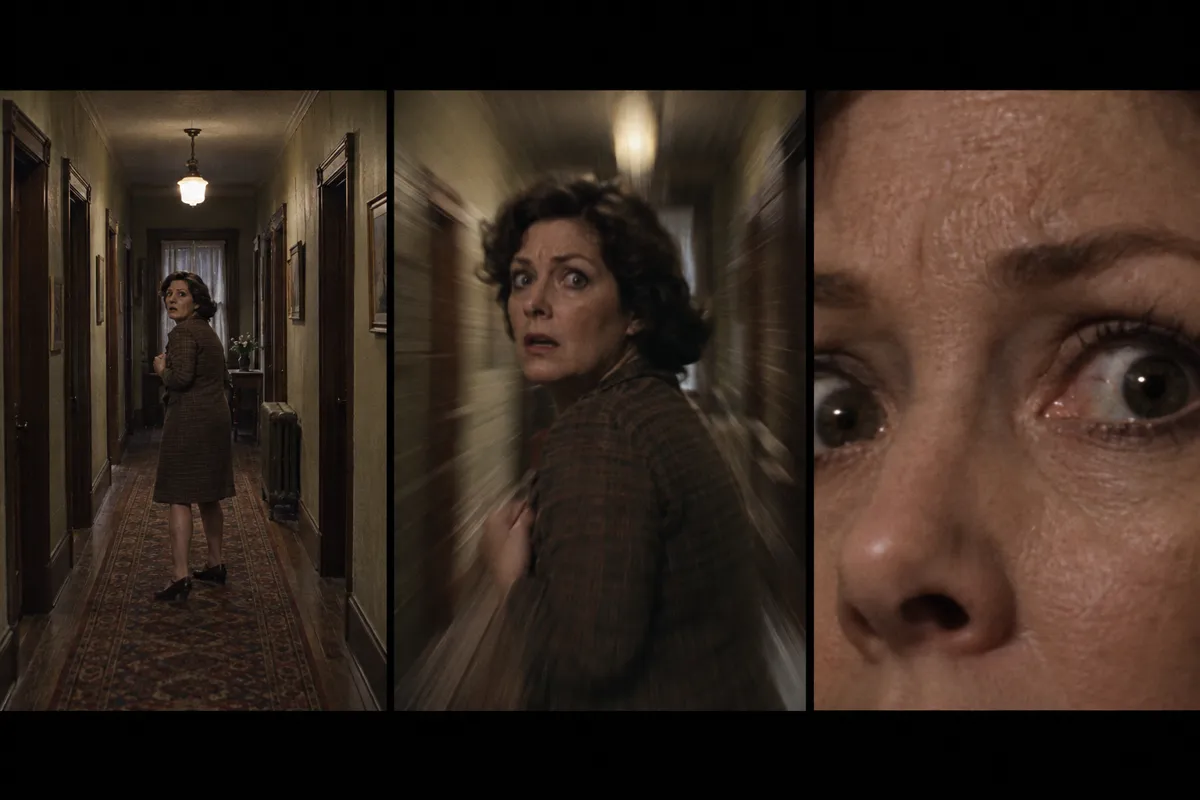
Crash Zoom
1960s, popularized in genre cinema
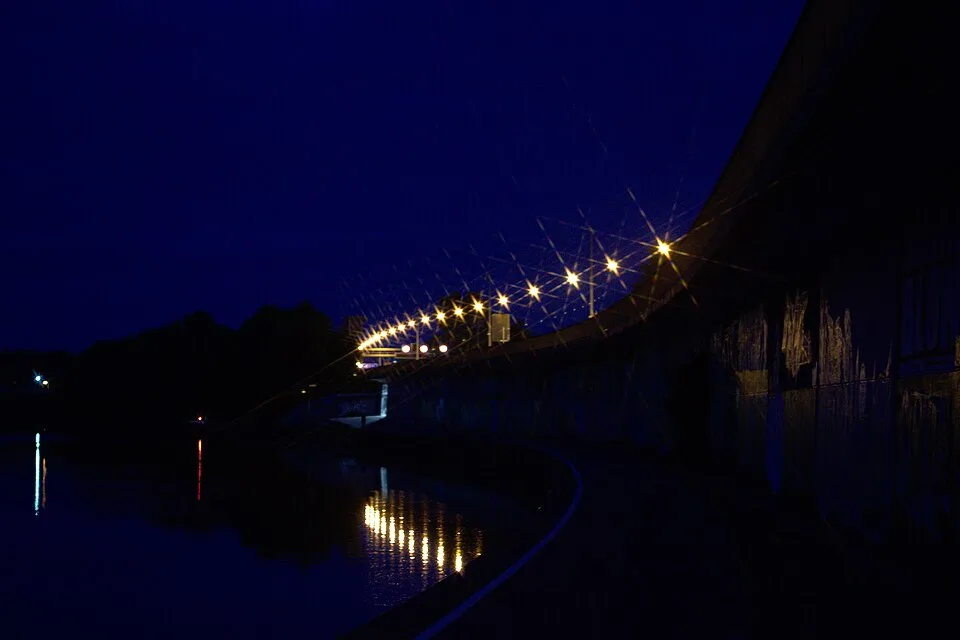
Star Filter
1960s, popularized in television entertainment and glamour photography
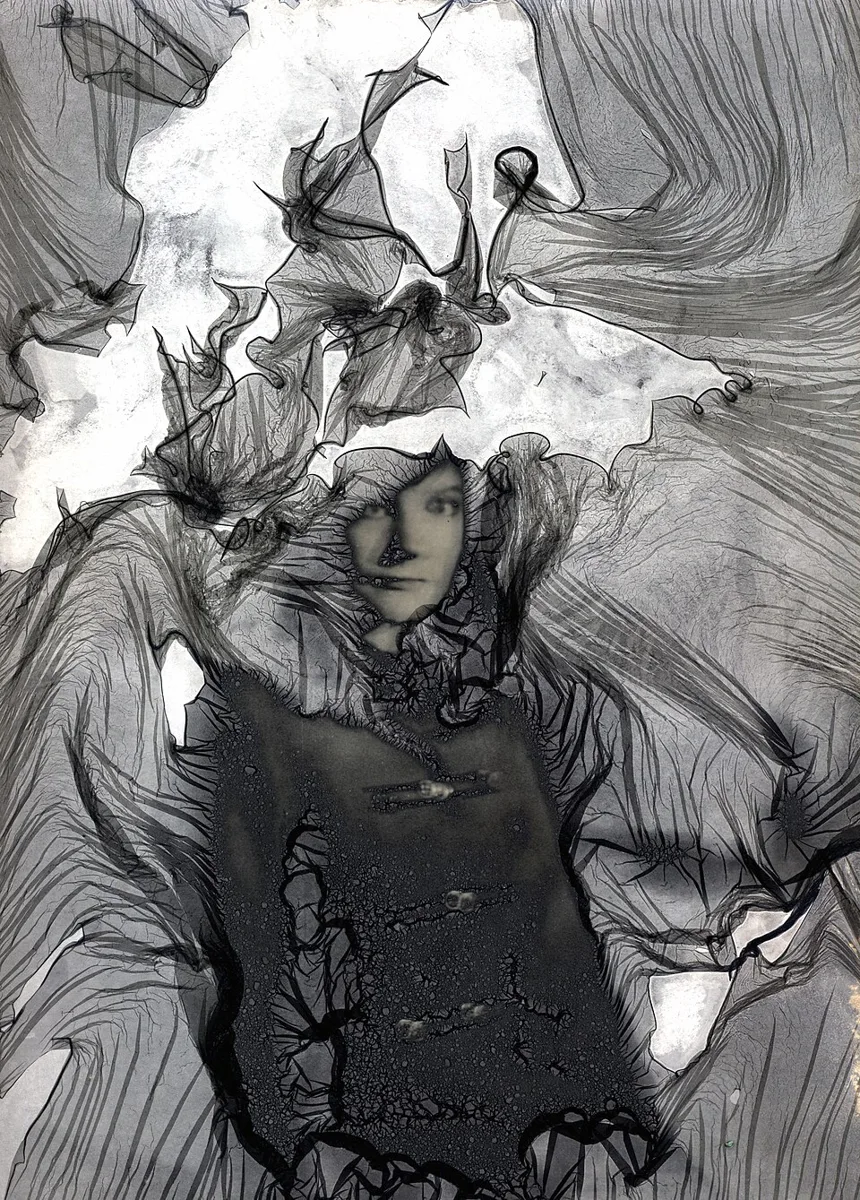
Mordançage
1960s, Jean-Pierre Sudre's darkroom experiments
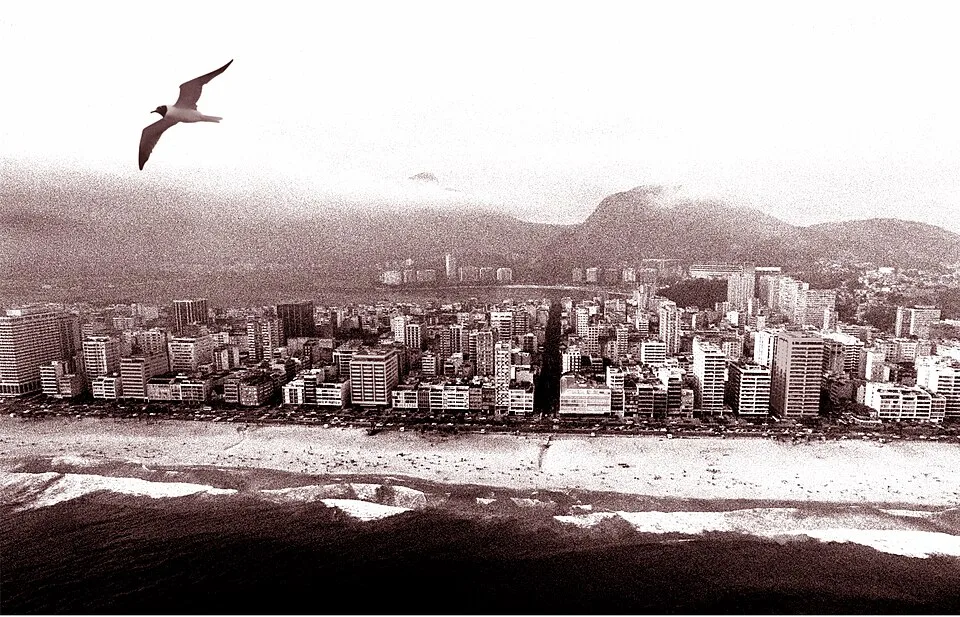
Push Processing
1960s, popularization in photojournalism and cinema
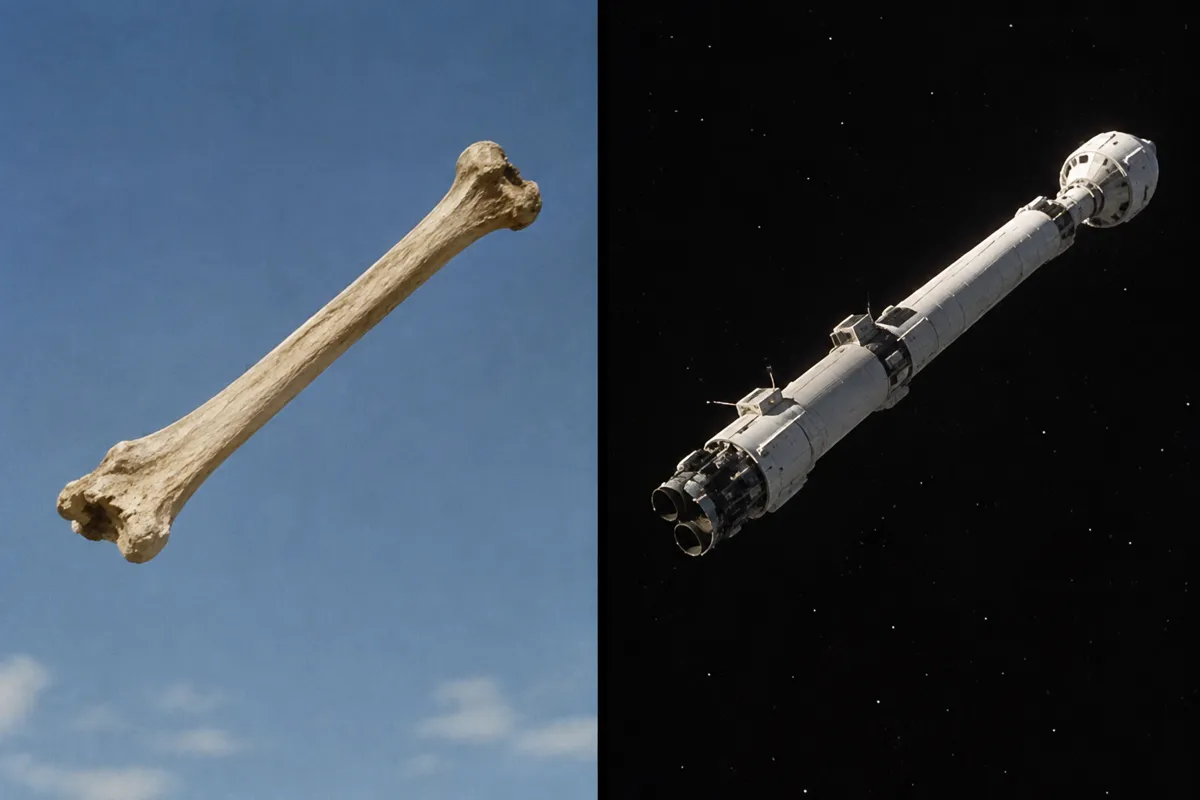
Match Cut
1968, Stanley Kubrick's 2001: A Space Odyssey
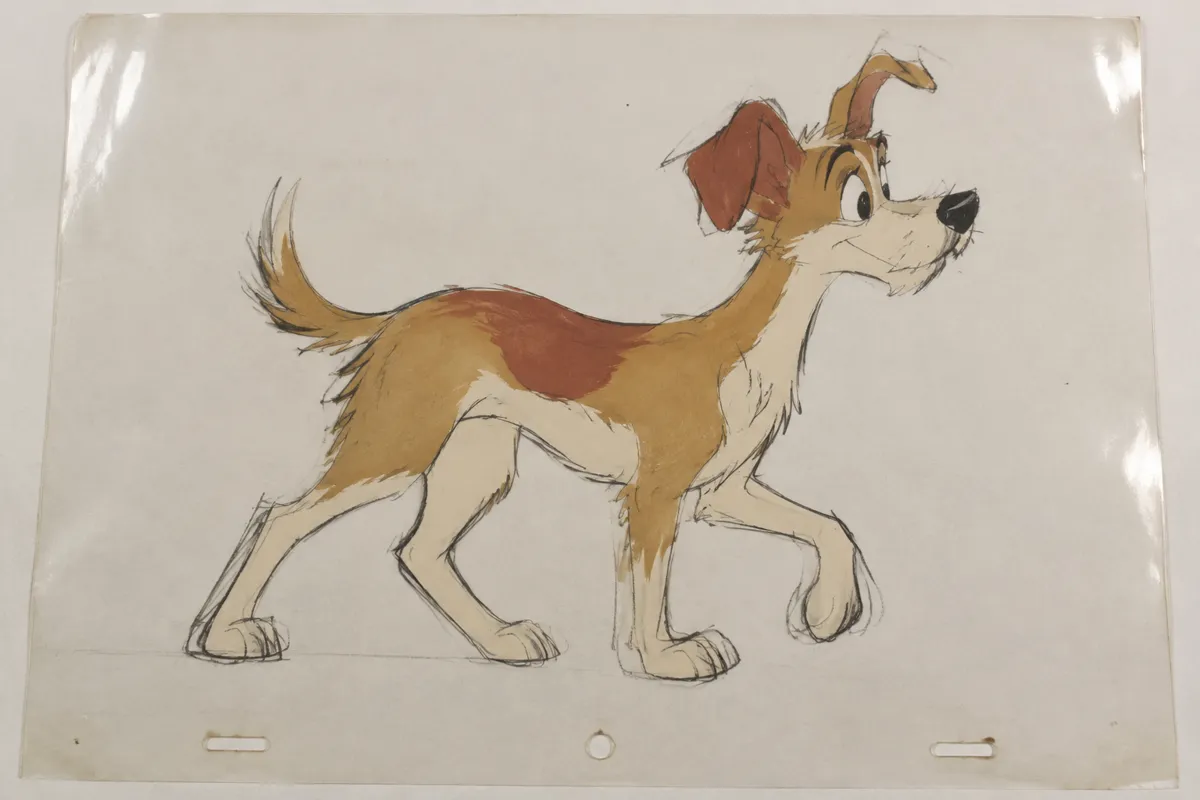
Xerographic Animation
1960s; Disney’s One Hundred and One Dalmatians, 1961
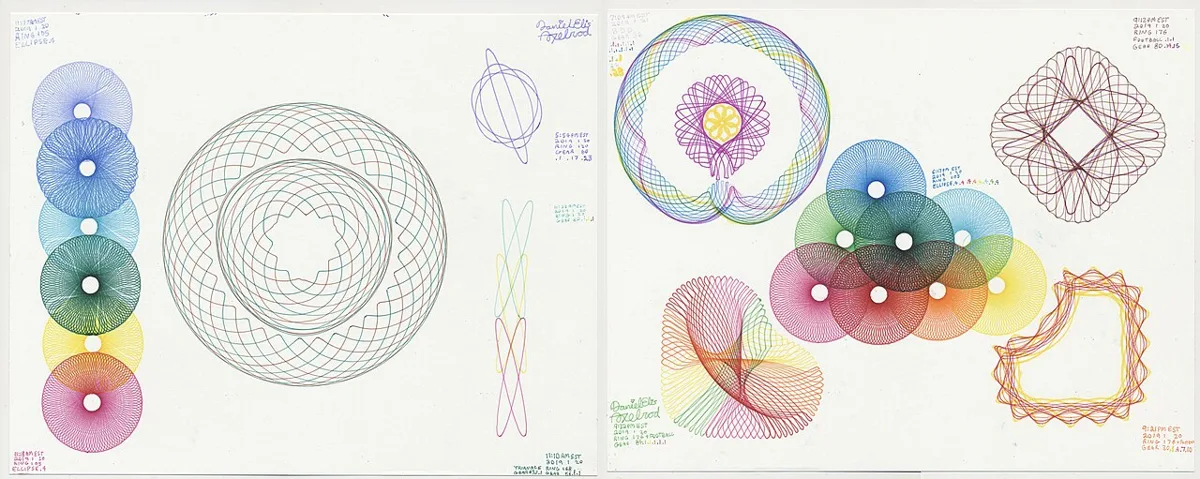
Spirograph
1965, Denys Fisher’s Spirograph drawing toy
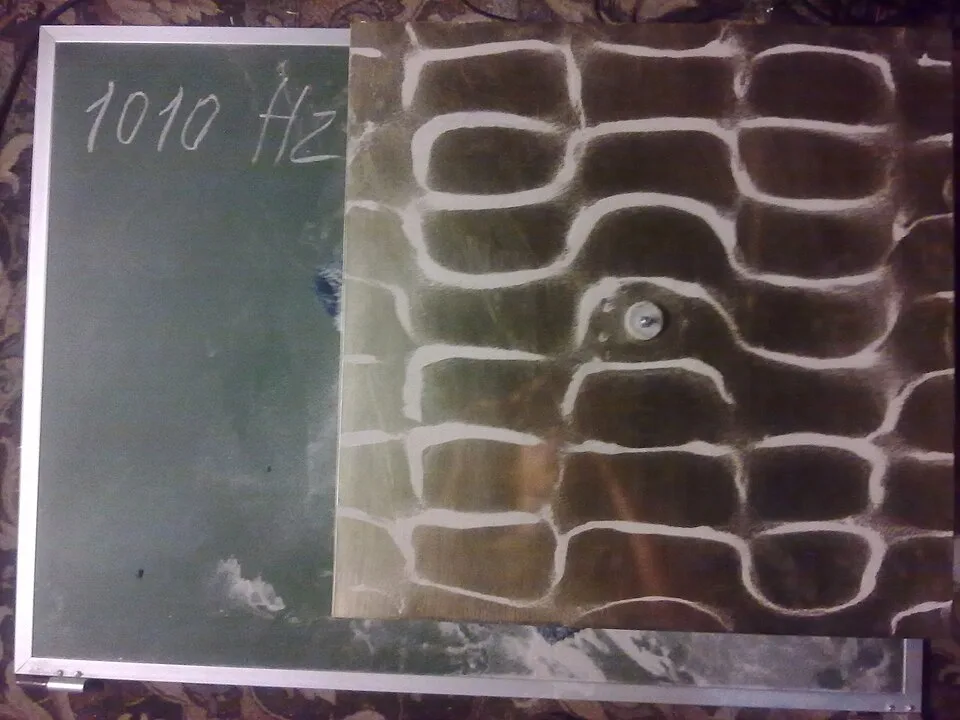
Cymatics
1967, Hans Jenny’s first volume of Cymatics
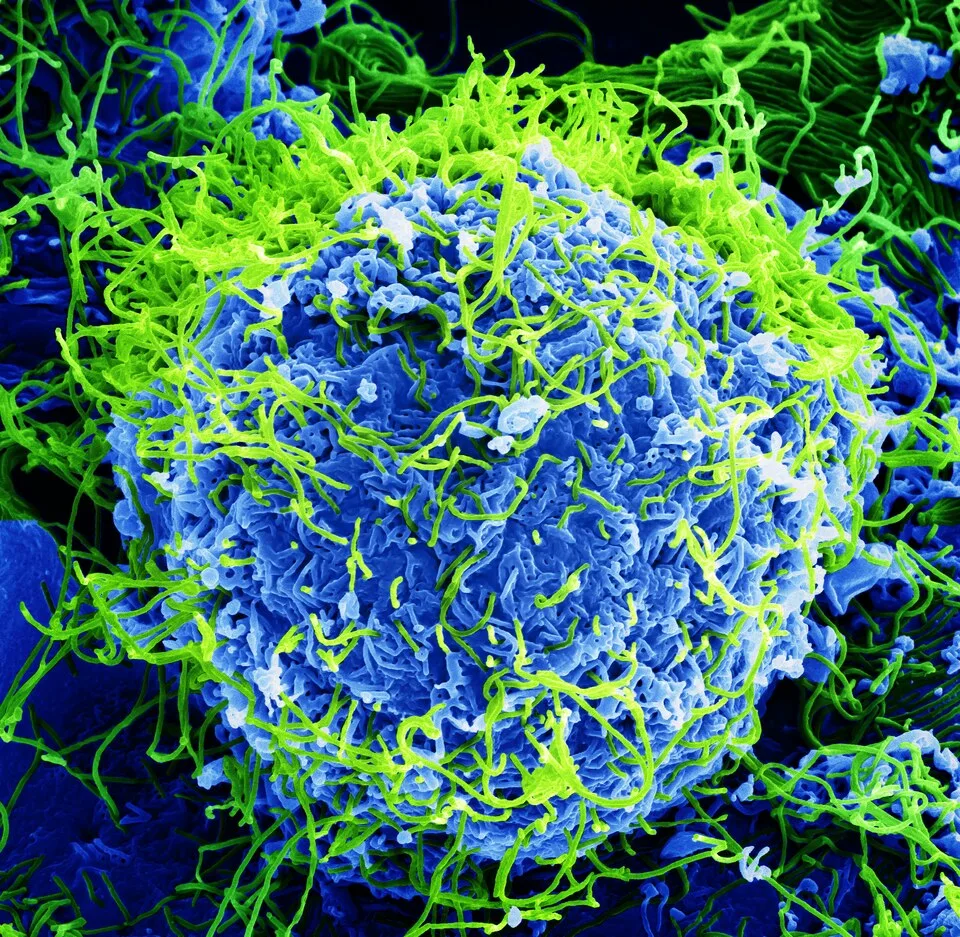
Scanning Electron Micrograph
1960s; commercial Stereoscan introduced in 1965
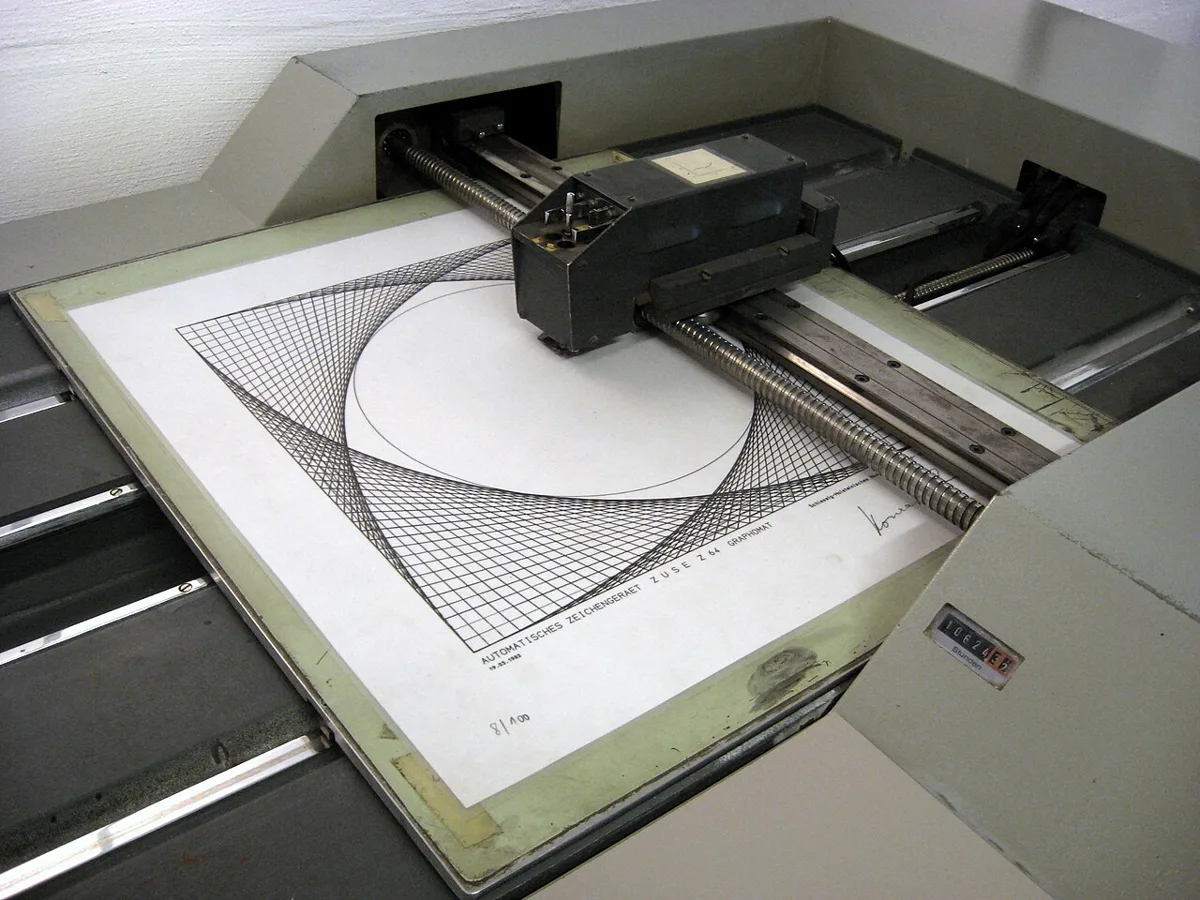
Pen Plotter Art
1960s; Georg Nees and Frieder Nake exhibited computer drawings in 1965.
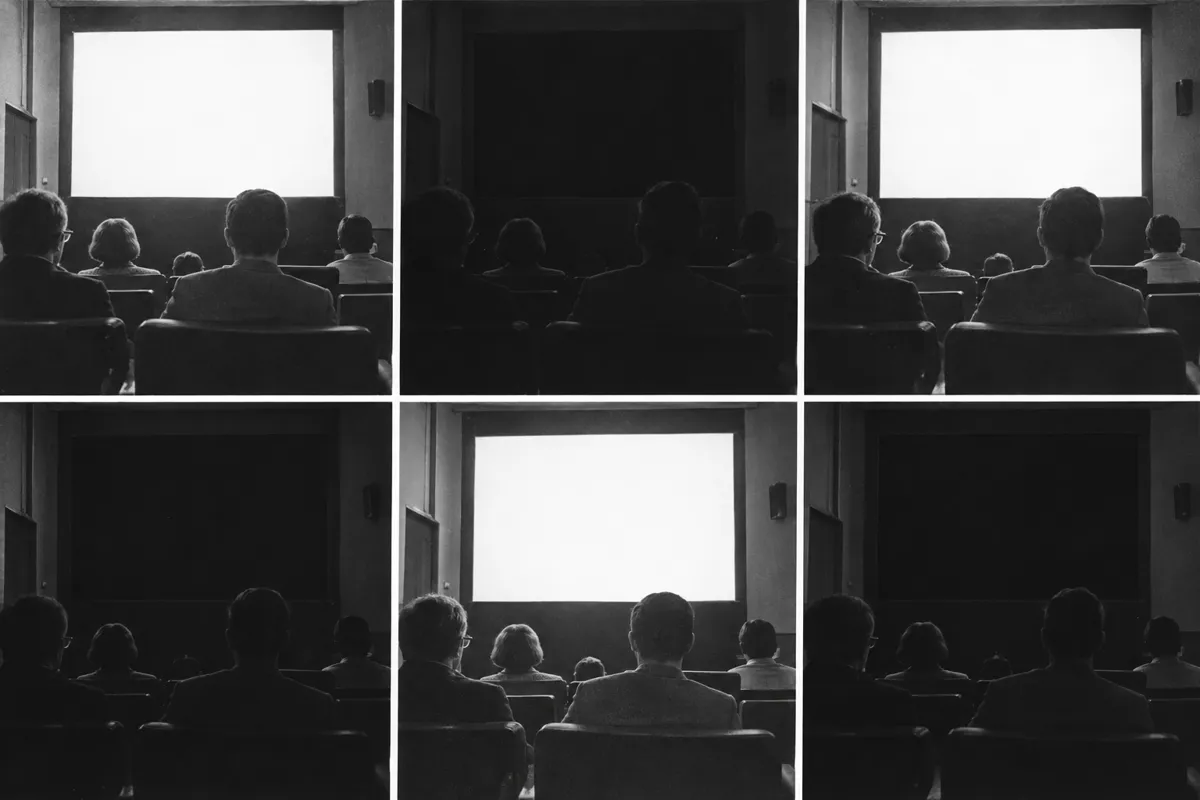
Flicker Film
1960s; Tony Conrad’s The Flicker, 1966
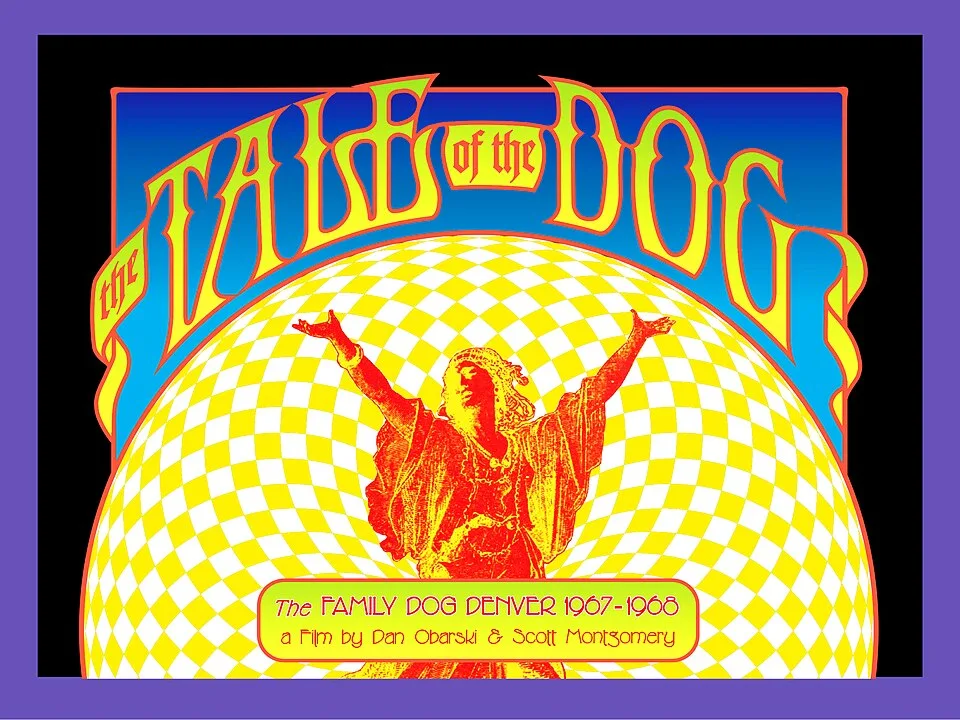
Psychedelic Poster Art
1960s; Wes Wilson’s Fillmore concert posters, 1966
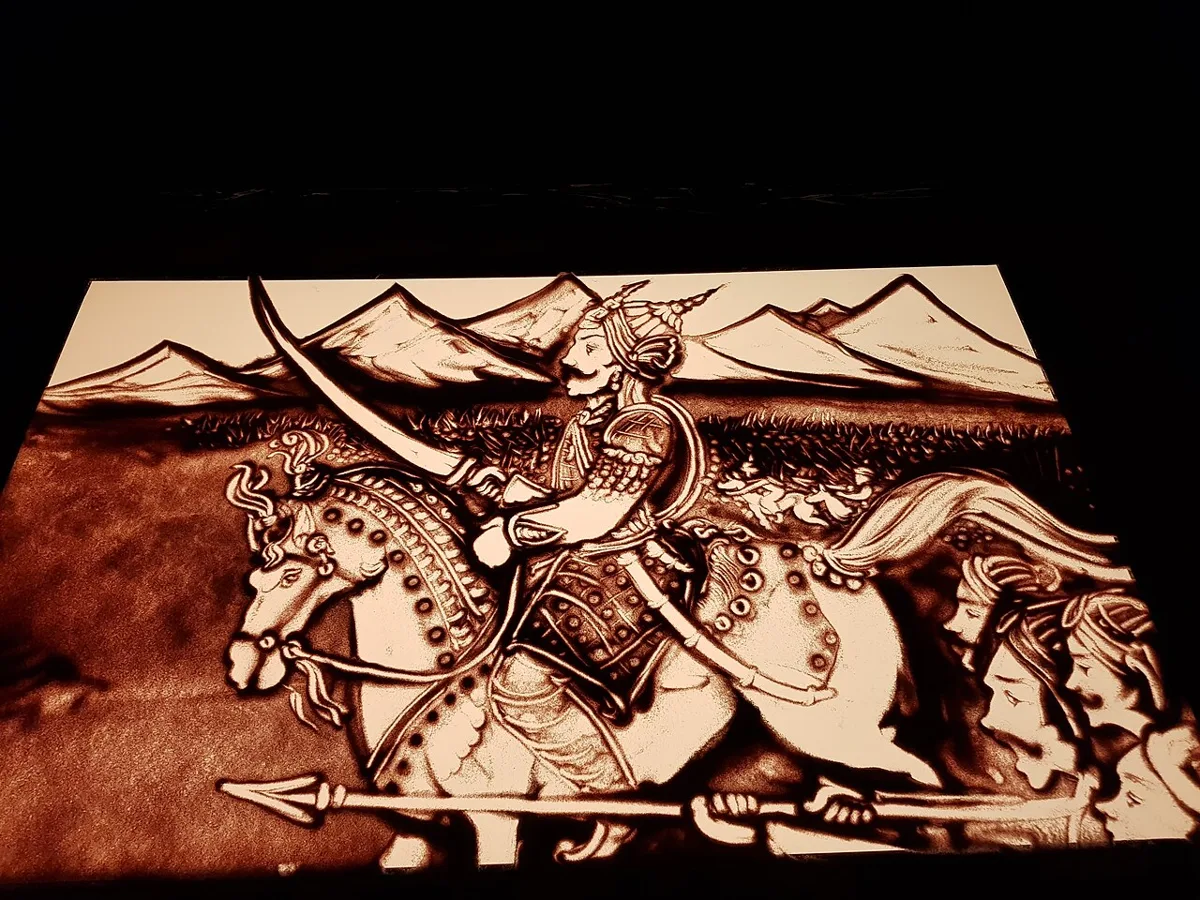
Sand Animation
1969, Caroline Leaf’s Sand, or Peter and the Wolf
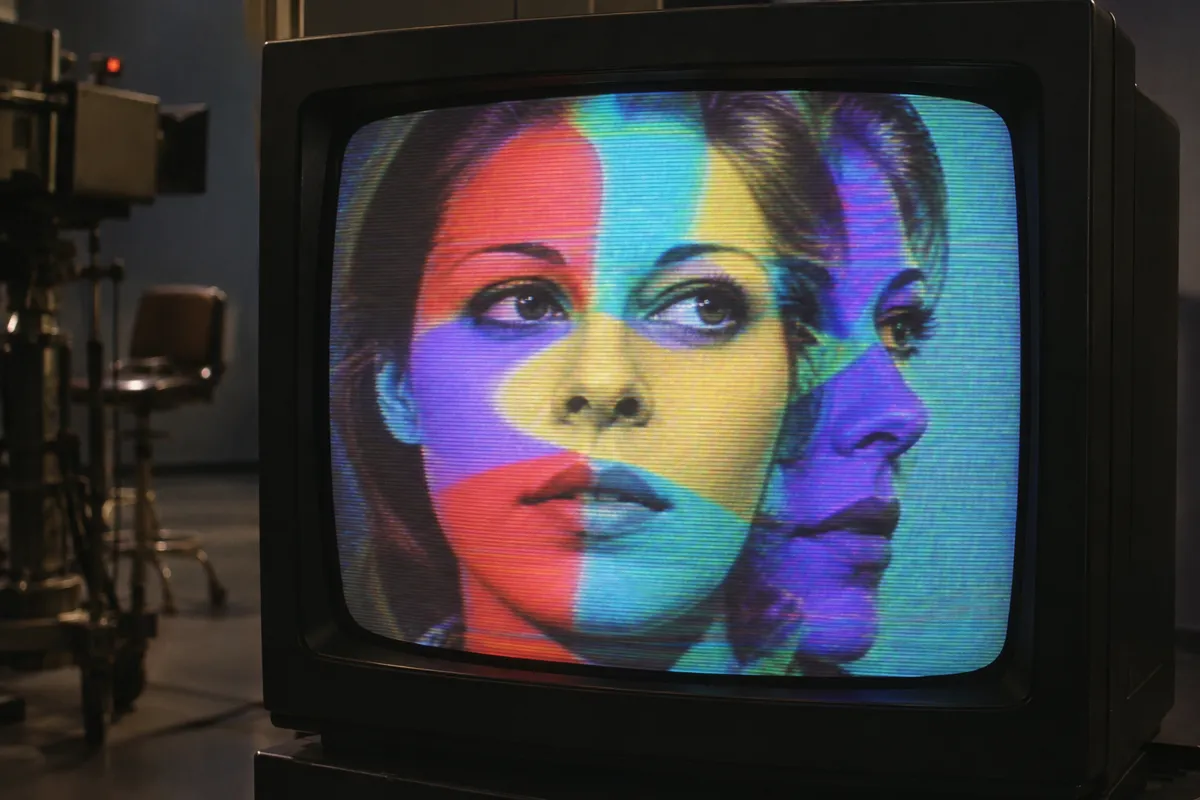
Paik–Abe Video Synthesizer
1969 development, Nam June Paik and Shuya Abe; broadcast use in 1970