Crash Zoom
1960s, popularized in genre cinema
Prompt
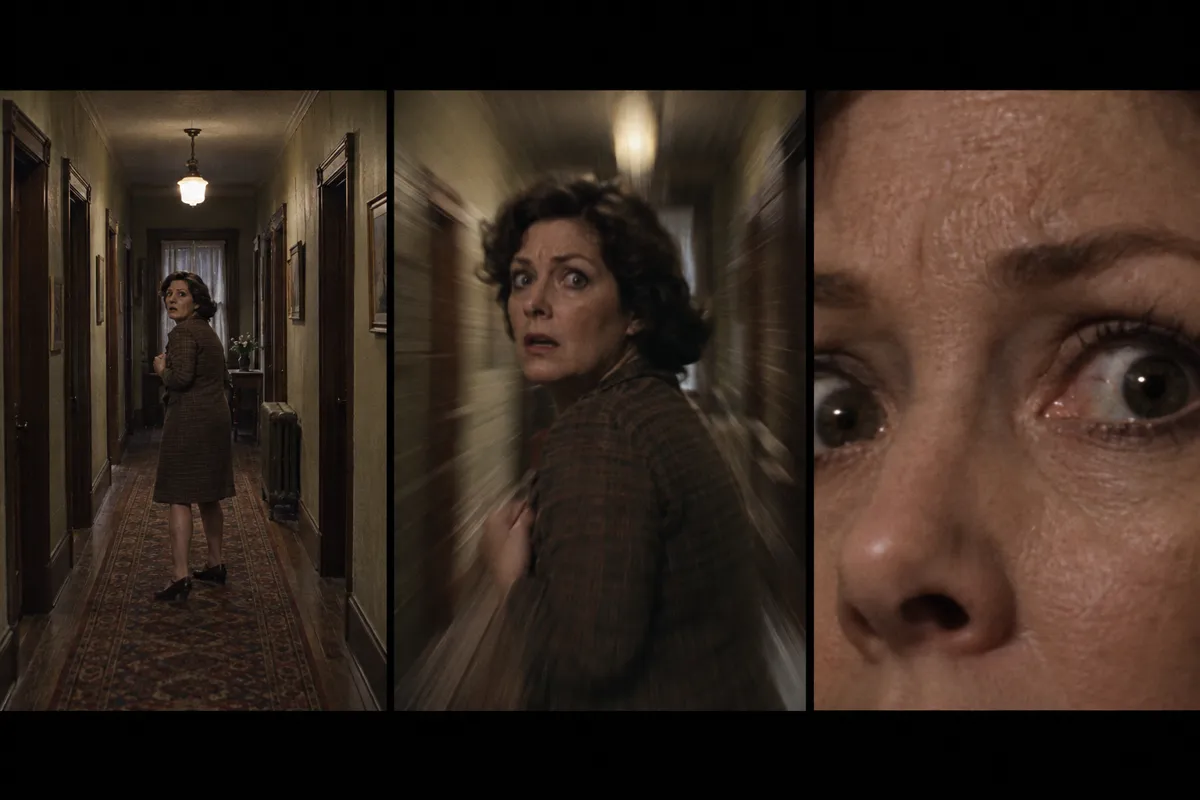
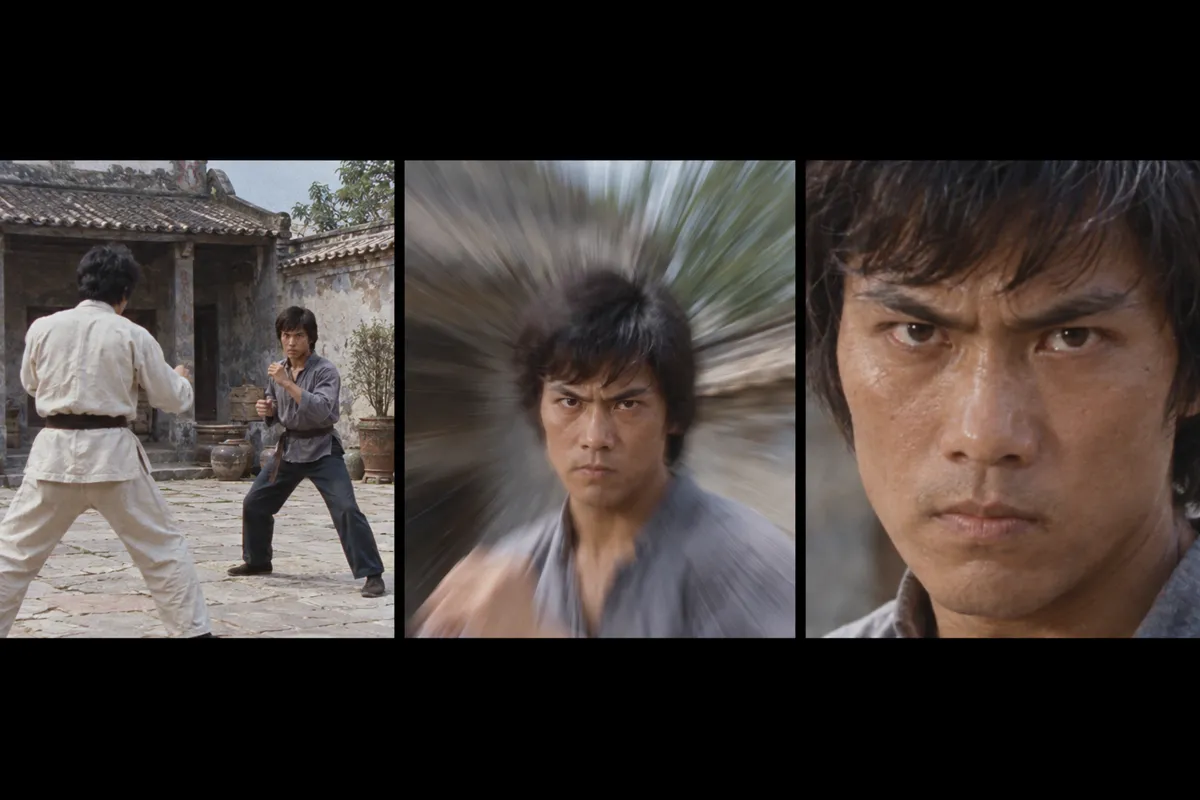
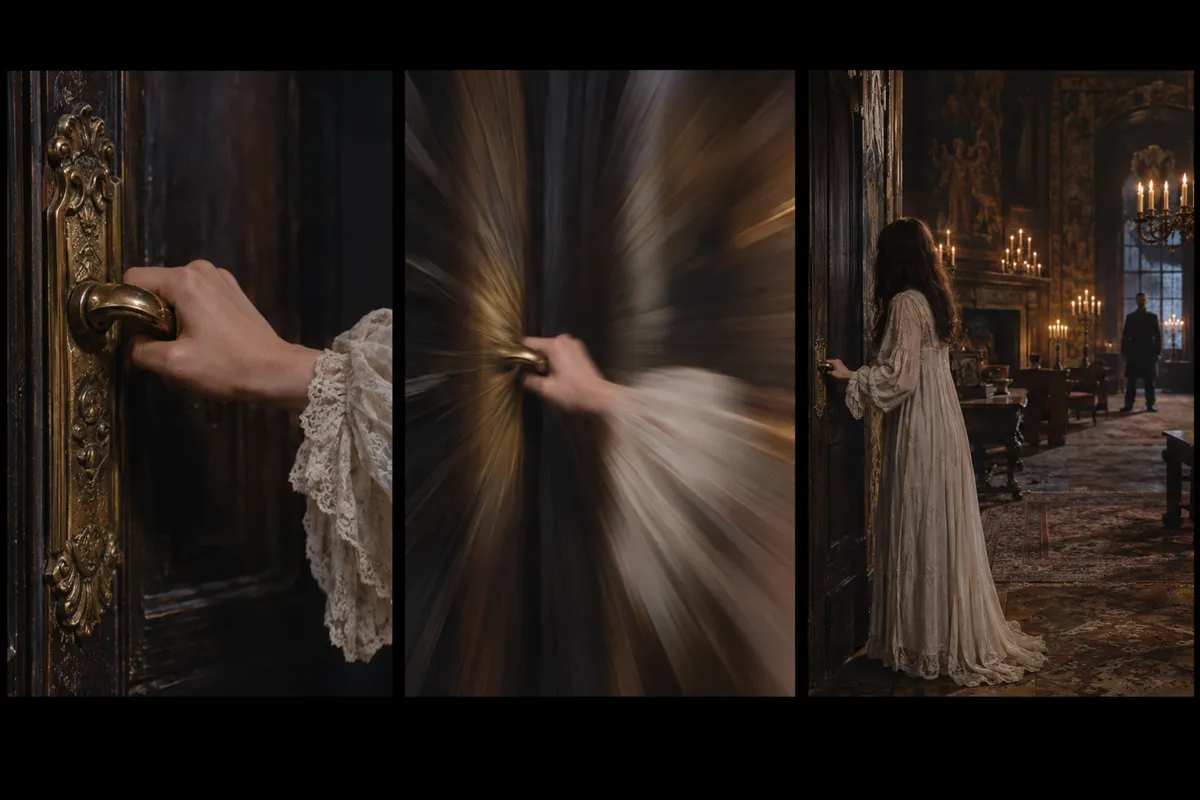
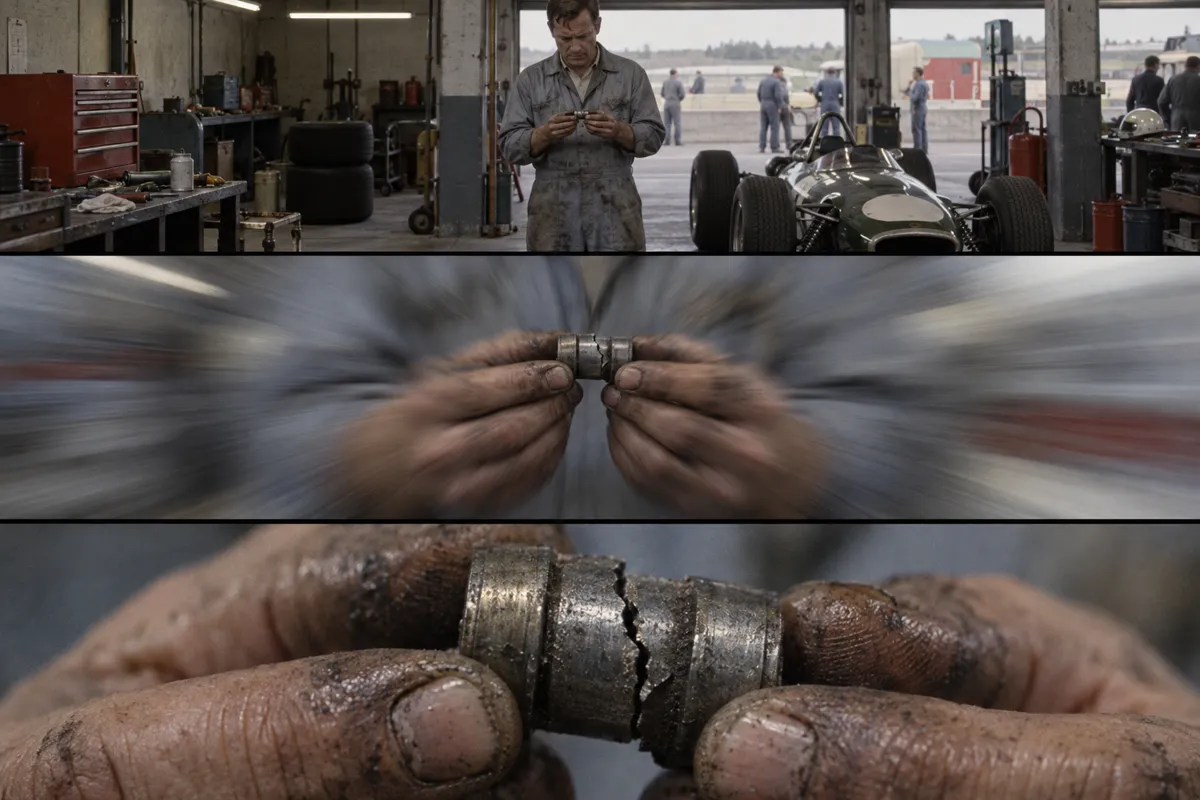
Apply a Crash Zoom effect as a frozen instant of rapid optical magnification. Anchor the existing focal subject sharply while stretching surrounding details into radial streaks, with faint concentric scale echoes, intensified peripheral blur, and punchy contrast; avoid cropping or changing the viewpoint. Keep the original subject and composition.
Identify
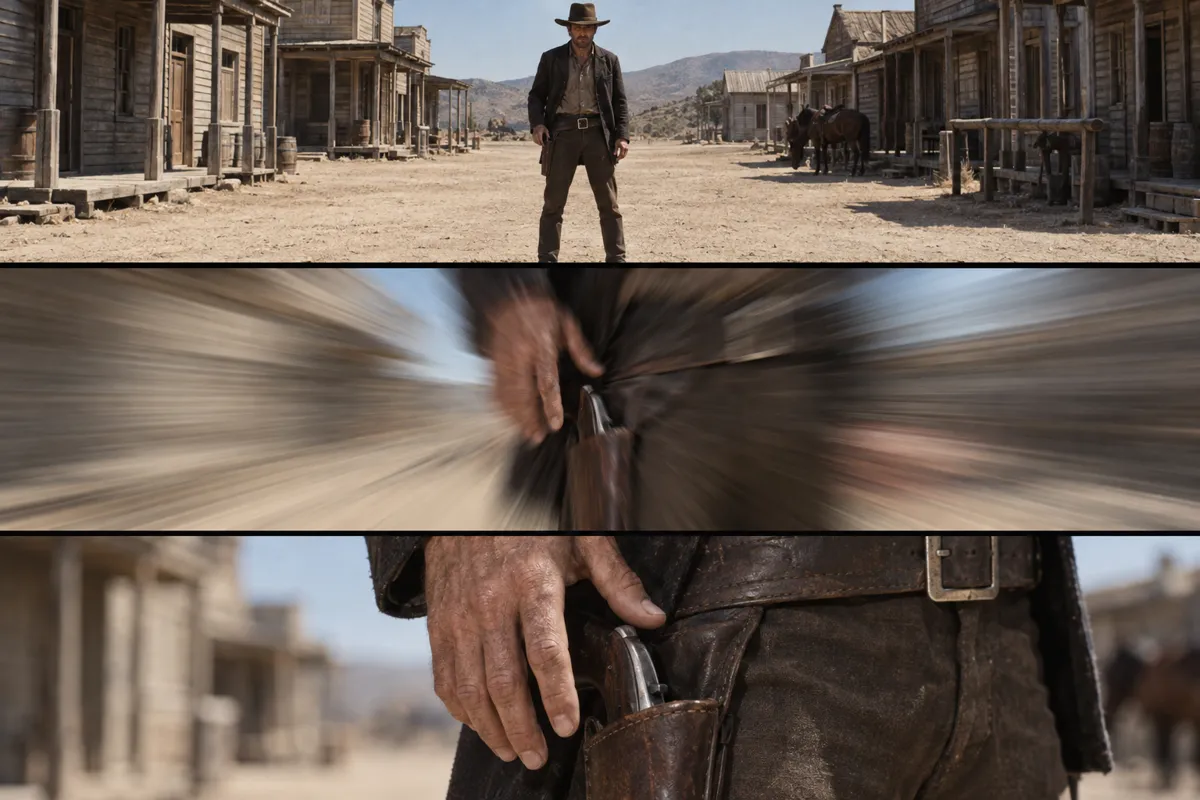
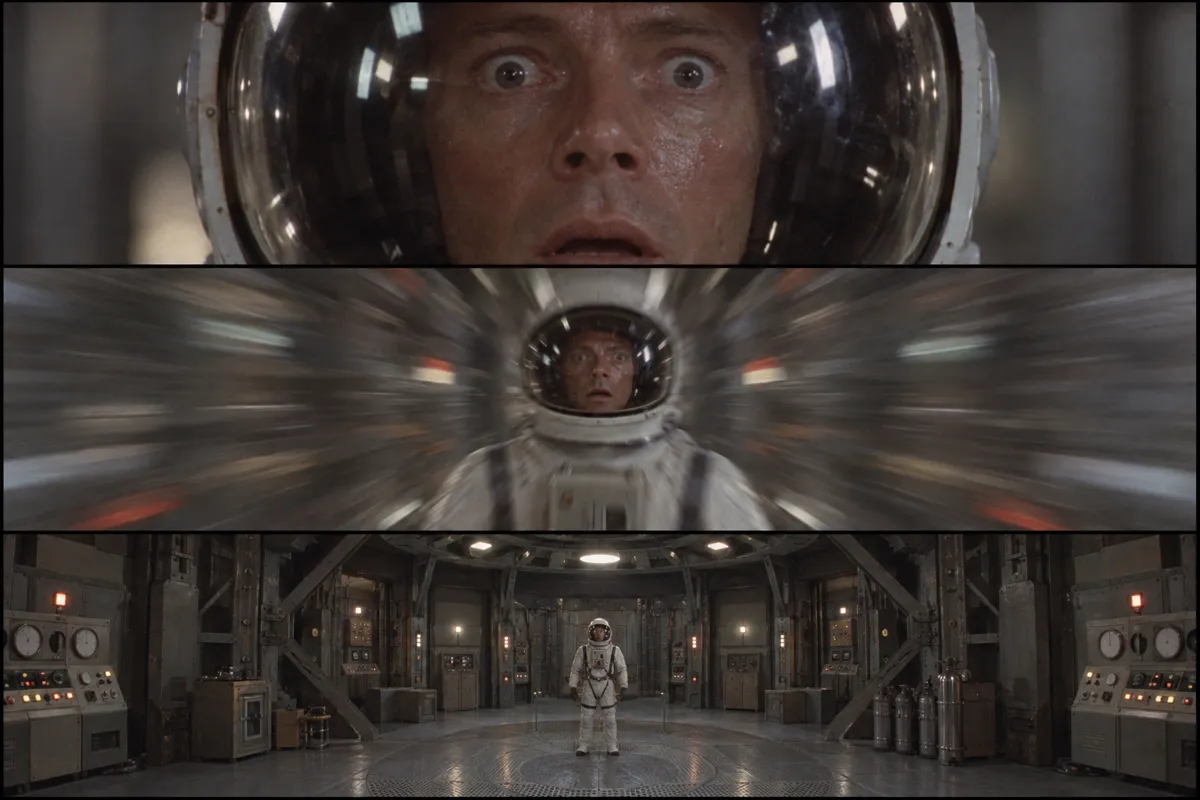
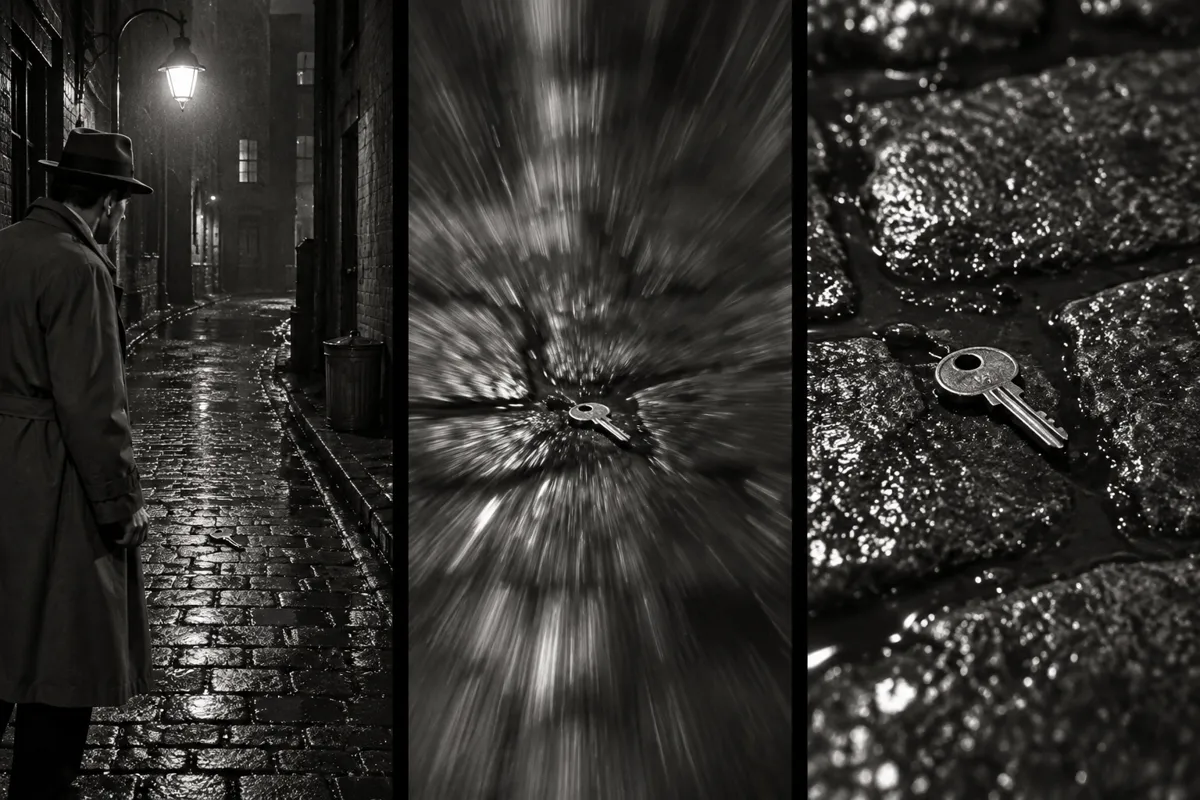
You see the camera's view suddenly rocket forward or backward in a fraction of a second. This rapid change creates a jarring, dynamic leap to a close-up or wide shot.
Principle
A camera operator violently turns the zoom ring1 on a variable focal length2 lens. This rapidly magnifies the image without moving the physical camera.
Example
Sergio Leone: The Good, the Bad and the Ugly, 1966.
Try it out
Watch an old martial arts film and count how many times a quick zoom emphasizes a sudden realization.
Background
The crash zoom emerged in the 1960s as zoom lenses became lighter and more practical. Directors like Sergio Leone and Hong Kong martial arts filmmakers fully embraced the technique. They used it to add sudden energy, emphasize dramatic moments, or highlight violent impacts. Mechanically, the camera operator twists the lens barrel as fast as possible. This instantly shifts the optical focal length. Because it was cheaper and faster than setting up a camera track, it became a staple of low-budget cinema. Today, it remains a beloved stylistic homage to that era.
Distinction
Unlike a dolly shot where the physical camera moves through space, a crash zoom only changes the lens magnification. It flattens the background rather than shifting the perspective.
Aftermath
It teaches us that manipulating optical magnification can create intense psychological impacts without moving the camera.
Further examples · 7 images
Question
Why does a crash zoom look flatter than physically moving the camera closer?
Show possible answer +Hide answer −
A zoom lens magnifies the entire image equally from a fixed point. It compresses the perceived distance between the subject and the background.