Flicker Film
1960s; Tony Conrad’s The Flicker, 1966
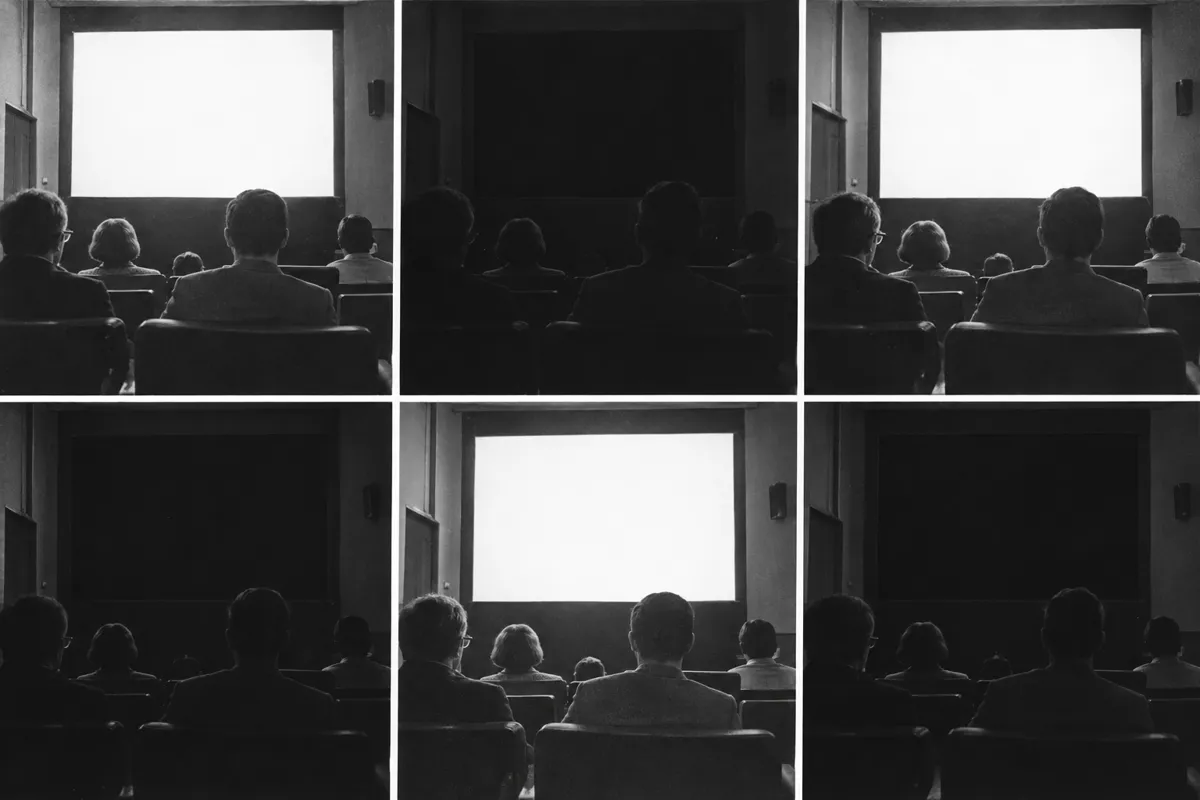
Prompt
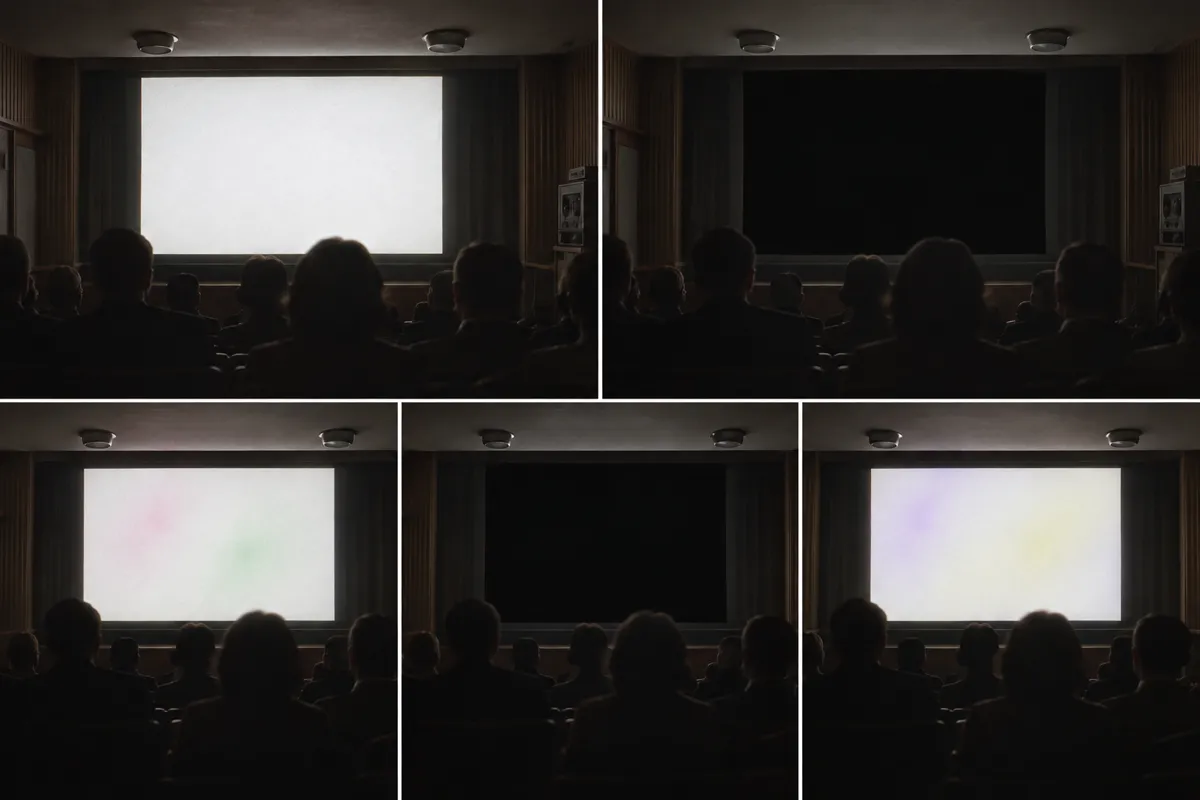
Apply a Flicker Film aesthetic as a static frame, using stark black and white, clipped tonal transitions, faint inverted contour echoes, and sparse optical interference bands. Suggest alternating exposures through localized polarity reversals and subtle illusory color fringes, without adding separate panels. Keep the original subject and composition.
Identify
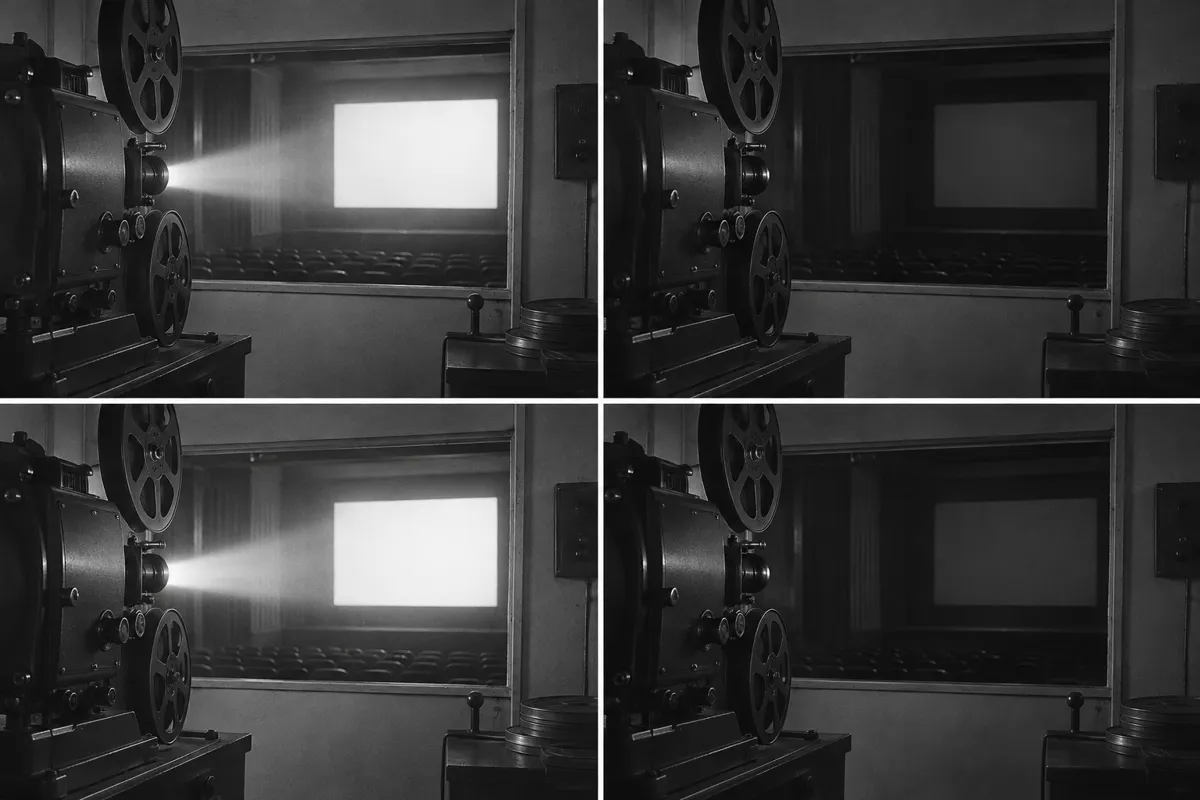
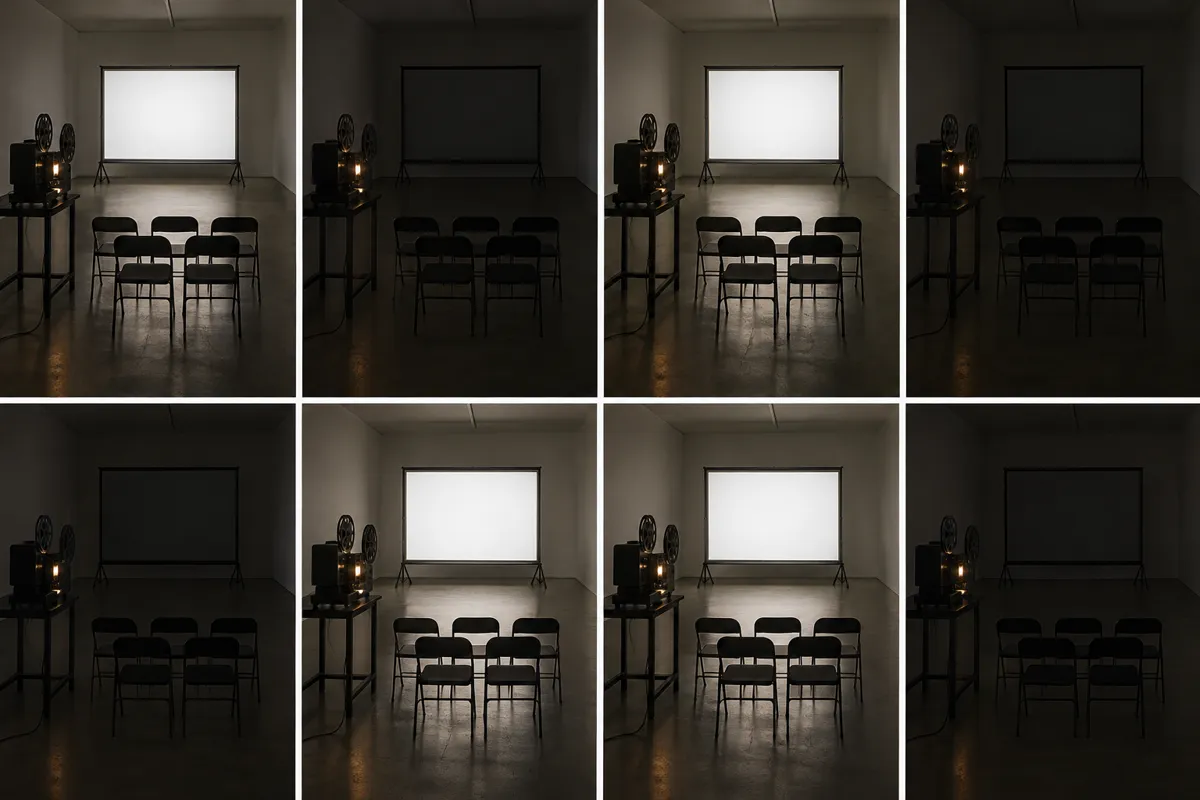
The screen pulses through alternating black and white frames, often without recognizable objects. Viewers may perceive illusory colors1 or shifting patterns.
Principle
Rapid changes in projected light stimulate the visual system, producing sensations beyond the recorded images. The timing of light pulses shapes the experience.
Example
Tony Conrad: The Flicker, 1966.
Try it out
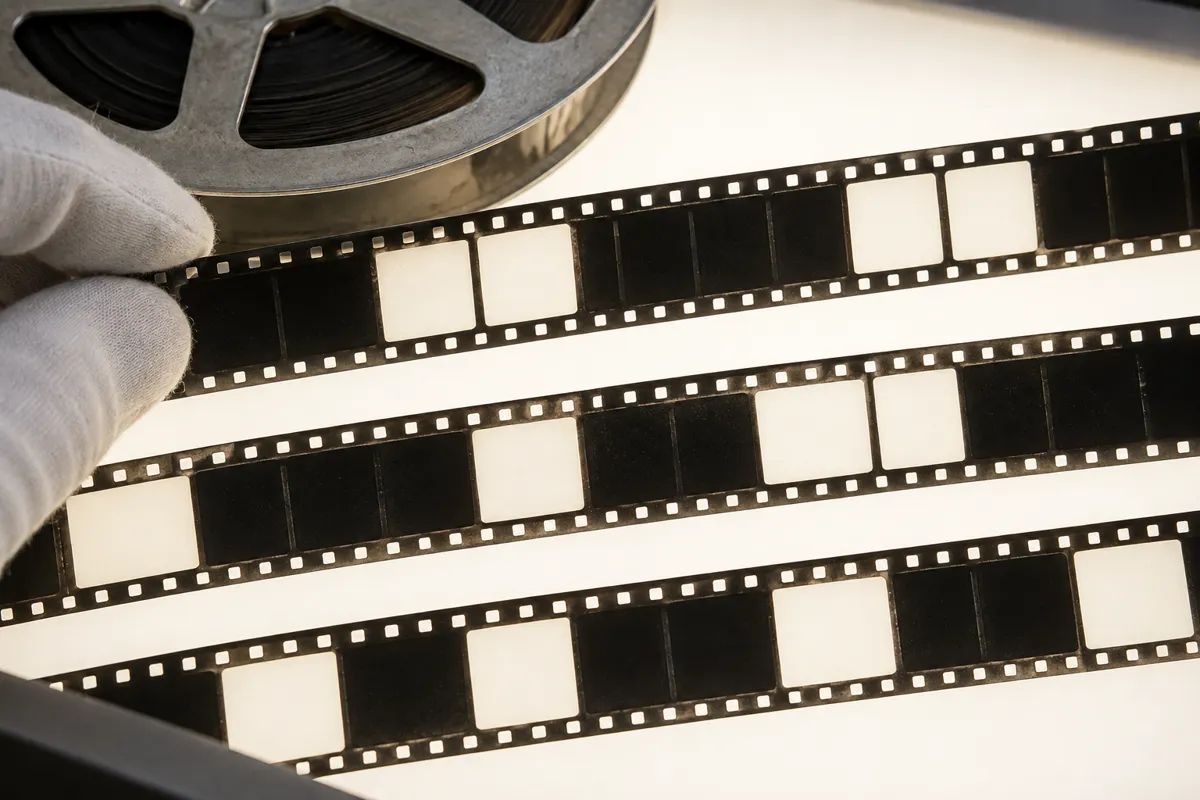
Arrange black and white paper squares into different sequences; compare their rhythms without flashing lights, which can trigger seizures.
Background
During the 1960s, experimental filmmakers made projected light itself a subject, rather than simply a carrier of photographed scenes. Tony Conrad’s The Flicker used sequences of black and white frames to organize darkness and brightness over time. Clear areas of the film print2 transmit light, while dense black areas largely block it. Changing the sequences changes the rhythm, even when the projector runs at a fixed speed. Some viewers perceive colors or patterns absent from the film. These responses vary, and flashing light can trigger photosensitive seizures3.
Distinction
Unlike ordinary projector flicker, flicker film deliberately organizes brightness changes within the film’s frames. A still image cannot reproduce this temporal effect.
Aftermath
Flicker film shows that perceived images can arise from timed light changes, not just pictures recorded on film.
Further examples · 5 images
Question
Does a perceived color mean that colored frames were used?
Show possible answer +Hide answer −
No. Black and white sequences can produce illusory colors through the visual system’s response to changing light.