H 062 / 3211890s

Van Dyke Brown Print

1889, W. J. Nicol's Kallitype patent
Typeface · IM Fell DW Pica

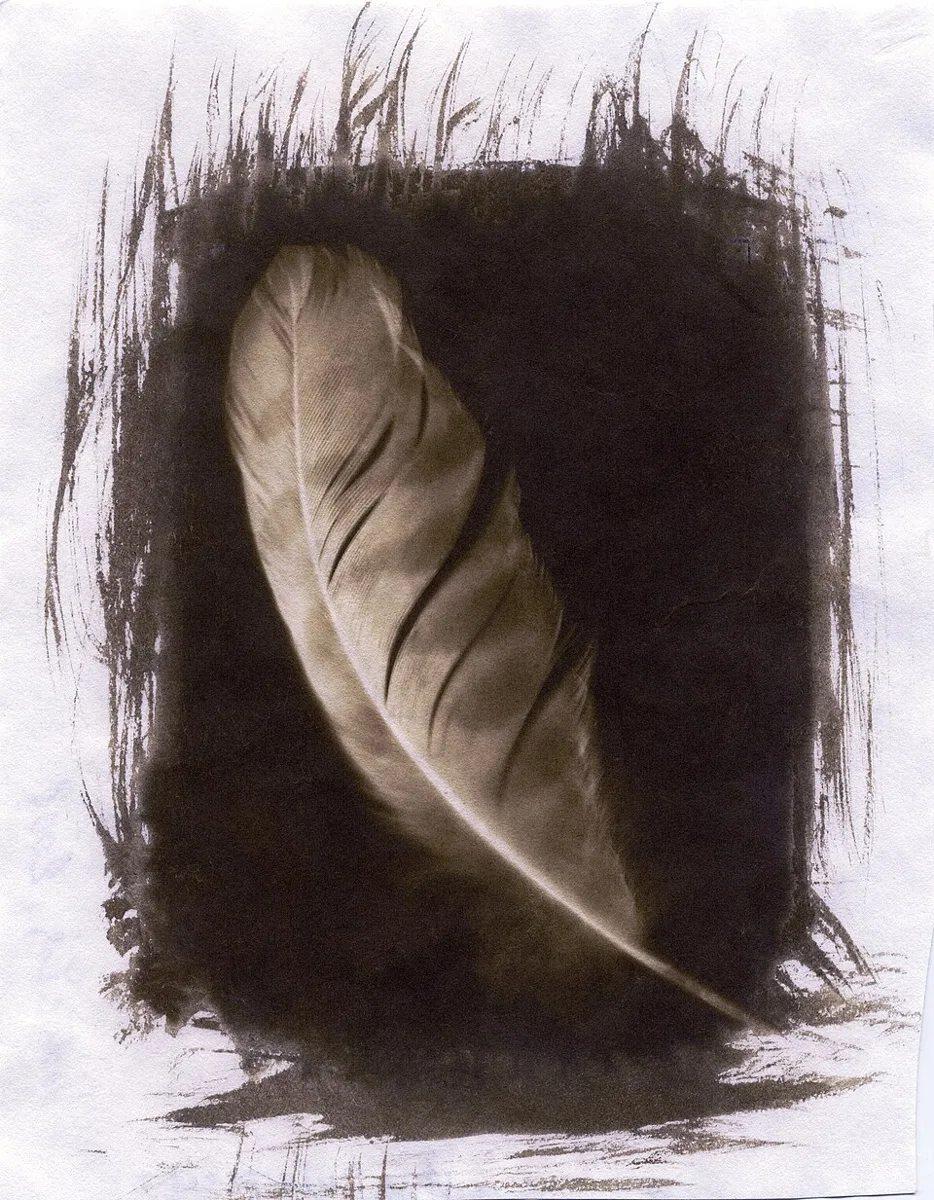
Feather on Hand-Coated Brown Print. A pale feather emerges from a deep brown field surrounded by irregular brush marks on white paper.
Feather on Hand-Coated Brown Print. A pale feather emerges from a deep brown field surrounded by irregular brush marks on white paper.Petr Vodička · CC BY-SA 4.0 · via Wikimedia CommonsView source ↗

Prompt

Apply the Van Dyke Brown Print effect using rich chocolate shadows, warm sepia midtones, and creamy paper highlights. Embed the image in visible cotton fibers with a matte surface, delicate tonal transitions, subtle exposure unevenness, and softly feathered sensitizer marks at the margins. Keep the original subject and composition.

Identify

You see a photograph with rich, deep brown tones and a matte finish. The image looks embedded directly in the paper fibers.

Principle

Ultraviolet light reduces light-sensitive ferric iron1 into ferrous iron. This new iron compound then reduces silver nitrate2 into solid metallic silver.

Example

W. J. Nicol: Early Kallitype and Vandyke brown tests, 1889.

Try it out

Examine the shadow areas of a historical brown print under a magnifying glass to see exposed paper fibers.

Background

Invented by W. J. Nicol in 1889, this technique is named after the Flemish painter Anthony van Dyck. The resulting rich, deep brown tones closely resembled the painter's favorite oil color. A photographer coats paper with ferric ammonium citrate, tartaric acid, and silver nitrate. After drying, a negative is placed directly on the paper. They expose this contact sandwich to bright sunlight or ultraviolet light. The light causes the iron salts to chemically react. This reaction converts the silver nitrate into visible metallic silver. Finally, the print is washed in water and fixed with sodium thiosulfate3. This makes the deep brown image permanent.

Distinction

Unlike glossy albumen prints that use an egg-white binder, Vandyke prints lack a surface emulsion layer. Their matte image rests directly inside the paper fibers.

Aftermath

It proved that combining iron and silver chemistry could produce beautiful, accessible photographs without complex darkroom development.

Further examples · 7 images
AI illustration: Victorian portrait in rich Van Dyke brown
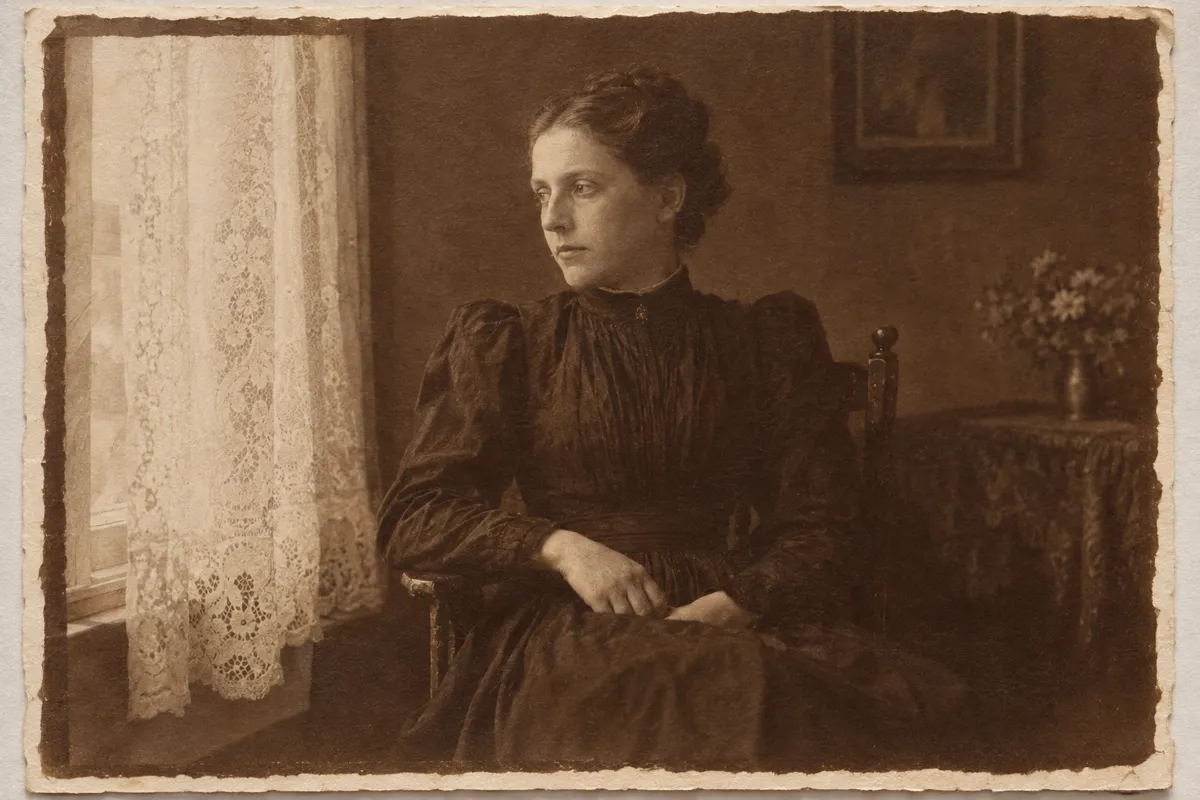
02 AI illustration: Victorian portrait in rich Van Dyke brownA woman sits in a dimly lit room, her dark dress providing a stark contrast to the lace curtains. The print exhibits the deep, chocolate-brown tones characteristic of the iron-silver chemical reaction.Illustration generated for the Atlas (AI)
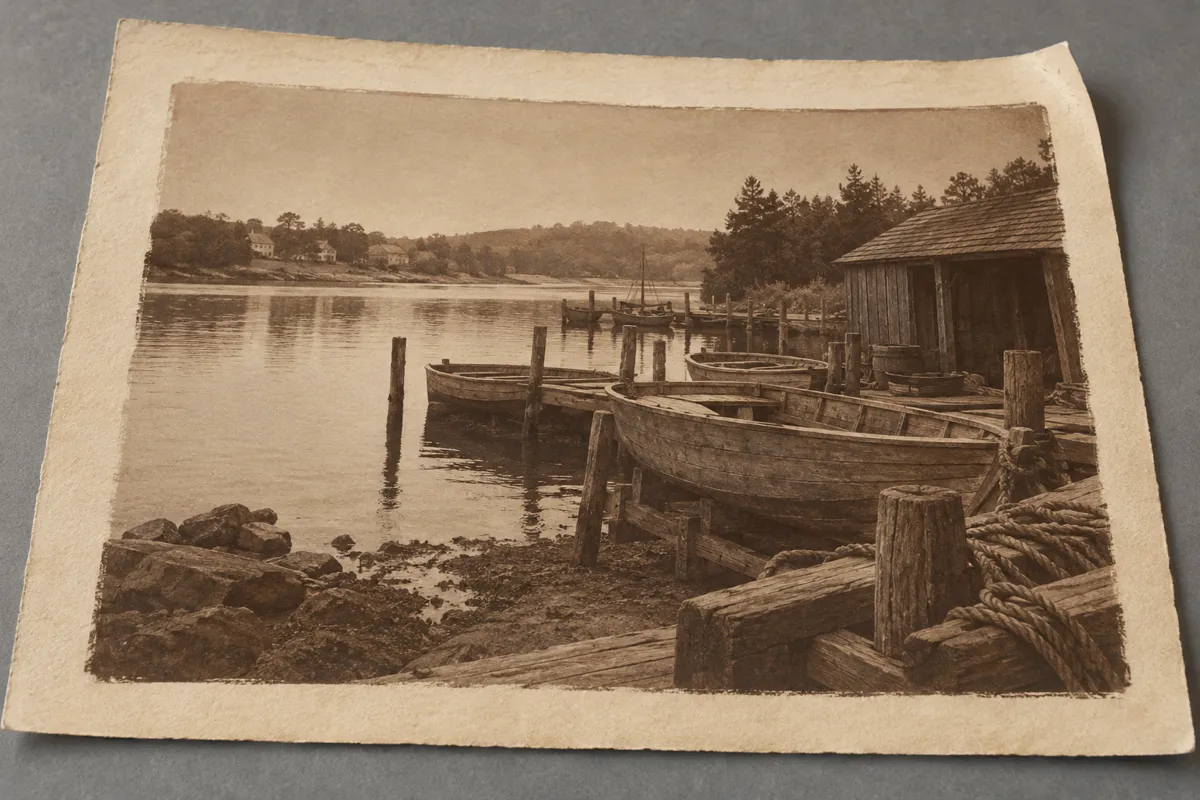
AI illustration: Riverbank scene on hand-sensitized paper
03 AI illustration: Riverbank scene on hand-sensitized paperA scenic view of a riverbank features wooden boats and a textured shoreline. The image is clearly embedded in the fibers of the hand-coated paper, showing the matte finish of the process.Illustration generated for the Atlas (AI)
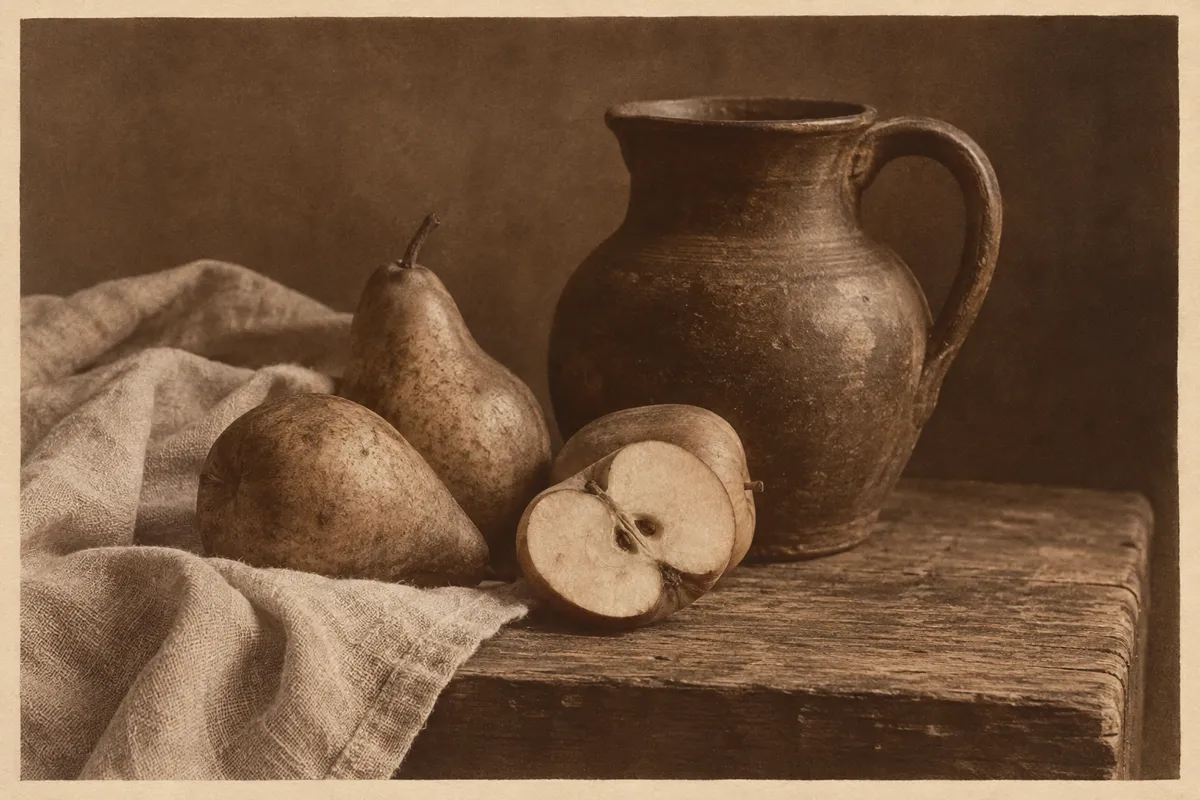
AI illustration: Monochromatic still life of pears and jug
04 AI illustration: Monochromatic still life of pears and jugThis still life displays pears and an earthen jug with soft, painterly transitions. The monochromatic brown palette successfully demonstrates the reduction of silver nitrate into metallic silver.Illustration generated for the Atlas (AI)
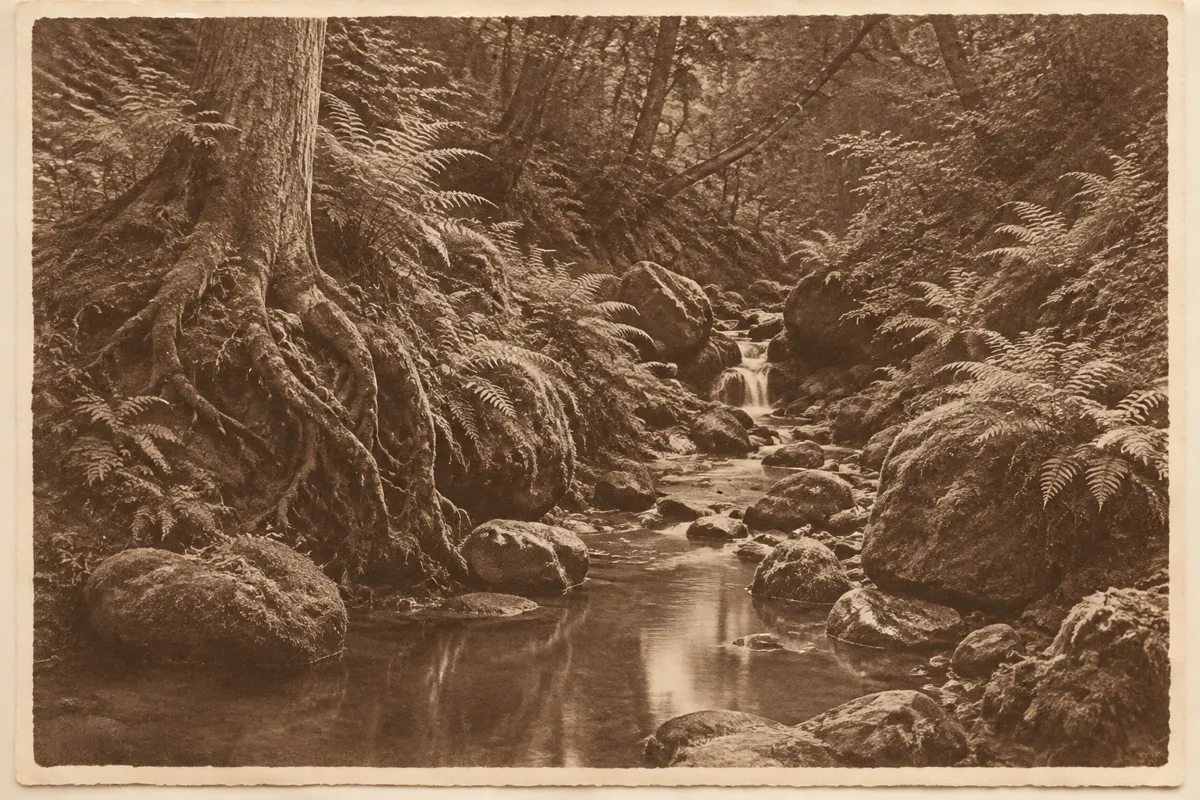
AI illustration: Forest landscape with stream and ferns
05 AI illustration: Forest landscape with stream and fernsIntricate details of ferns and a forest stream are captured with a distinctive sepia-like warmth. The lack of a separate emulsion layer allows the paper grain to show through the shadows.Illustration generated for the Atlas (AI)
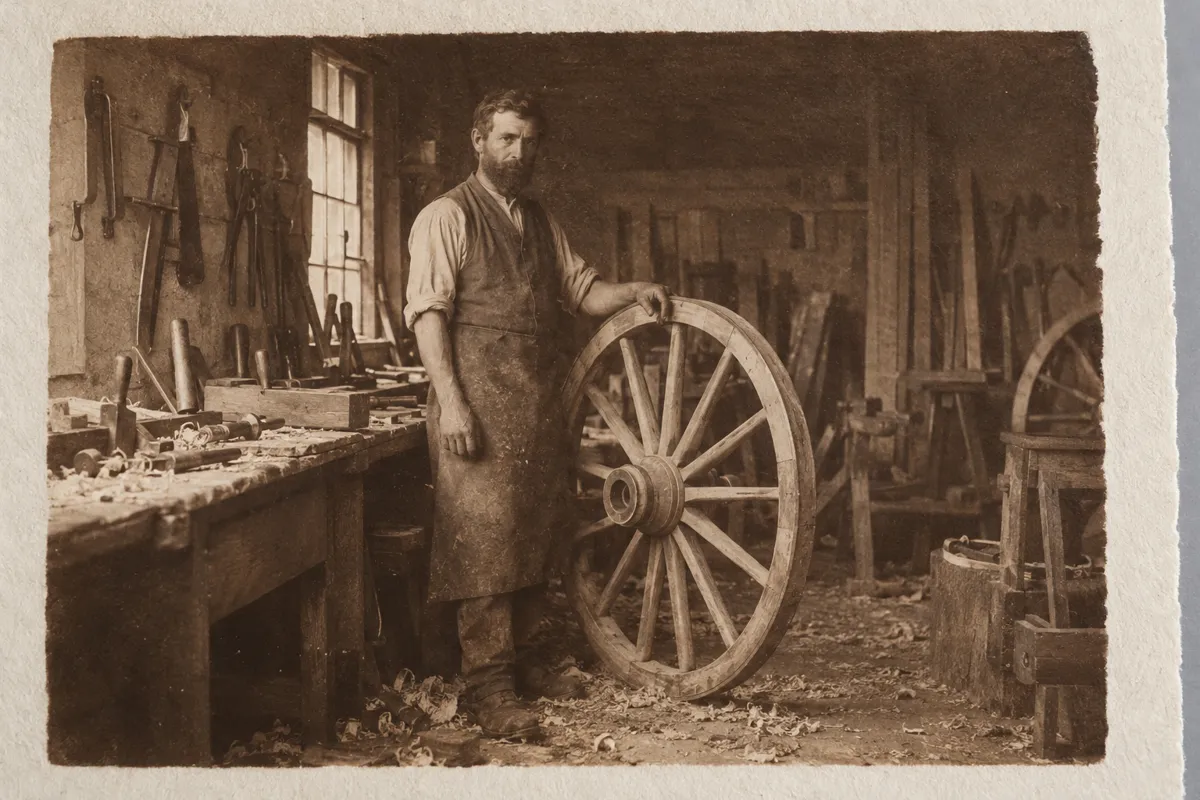
AI illustration: Wheelwright in workshop showing deep tonal range
06 AI illustration: Wheelwright in workshop showing deep tonal rangeA wheelwright stands in his workshop surrounded by tools and wood shavings. The dark, recessed areas of the shop illustrate the deep tonal range possible with this light-sensitive iron salt technique.Illustration generated for the Atlas (AI)
AI illustration: Stone archway showing hand-applied emulsion edges
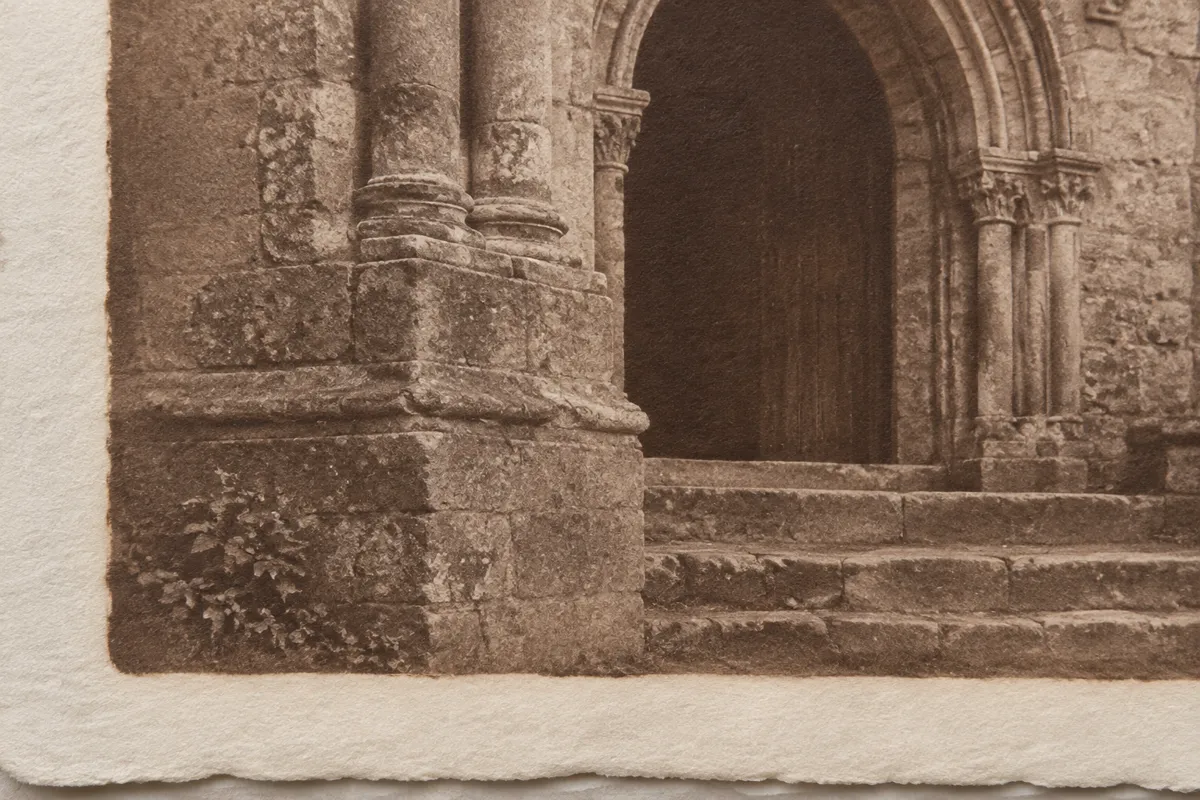
07 AI illustration: Stone archway showing hand-applied emulsion edgesThe stone archway and steps of an old building are shown with high textural detail. Visible brush strokes at the edge of the image indicate where the sensitizing solution was applied by hand.Illustration generated for the Atlas (AI)

Question

Why is the photographic technique named after a famous painter?

Show possible answer +

The final print produces distinct, deep brown tones. These closely mimic the dark brown oil paint heavily favored by 17th-century artist Anthony van Dyck.