H 317 / 3212020s

Neural Radiance Fields

2020, Ben Mildenhall et al. publication
Typeface · Prompt

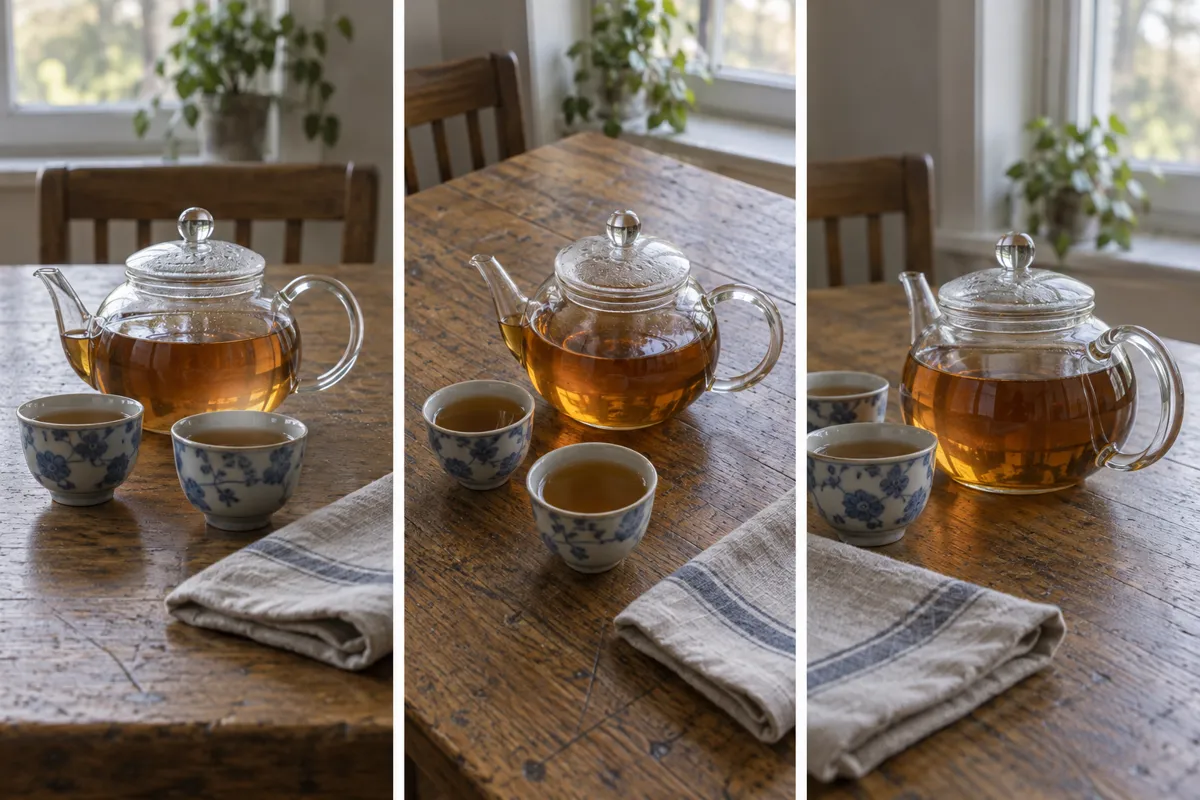
AI illustration: Neural radiance field rendering of refractive glass objects.
AI illustration: Neural radiance field rendering of refractive glass objects.Illustration generated for the Atlas (AI)

Prompt

Apply a Neural Radiance Fields look with photorealistic spatial depth, nuanced reflections, translucent material detail, and softly integrated volumetric lighting. Add slight peripheral haze and gently blurred uncertainty around difficult fine structures, while keeping the viewpoint fixed and central surfaces convincing. Keep the original subject and composition.

Identify

You see a photorealistic, three-dimensional scene rendered from new camera angles. The view includes complex lighting, reflections, and translucent materials that shift naturally as you move.

Principle

A neural network1 analyzes multiple photographs to learn how light travels through a space. It calculates the color and density of light at every invisible point, generating new views.

Example

Ben Mildenhall et al.: "NeRF: Representing Scenes as Neural Radiance Fields for View Synthesis", 2020.

Try it out

Look at a shiny object from different angles and notice how the reflections move; NeRF accurately simulates this exact shifting behavior.

Background

Researchers at UC Berkeley, Google Research, and UC San Diego introduced NeRF in 2020. Before this, creating 3D computer graphics required building complex geometric meshes. NeRF took a radically different approach. Instead of polygons, it uses a massive mathematical formula—a neural network—to map a scene's volume. By feeding the network dozens of standard photographs along with their exact camera positions, the system learns the underlying light field. It deduces how dense objects are and how they scatter light. The result is a continuous volumetric scene2 that can render entirely new, highly realistic viewpoints.

Distinction

Unlike traditional photogrammetry, which creates a hollow 3D mesh wrapped in flat textures, NeRF calculates light and volume mathematically. This allows NeRF to perfectly recreate mirrors, glass, and complex shadows that confuse mesh-based systems.

Aftermath

It teaches that deep learning can translate 2D images into continuous volumetric light fields.

Further examples · 7 images
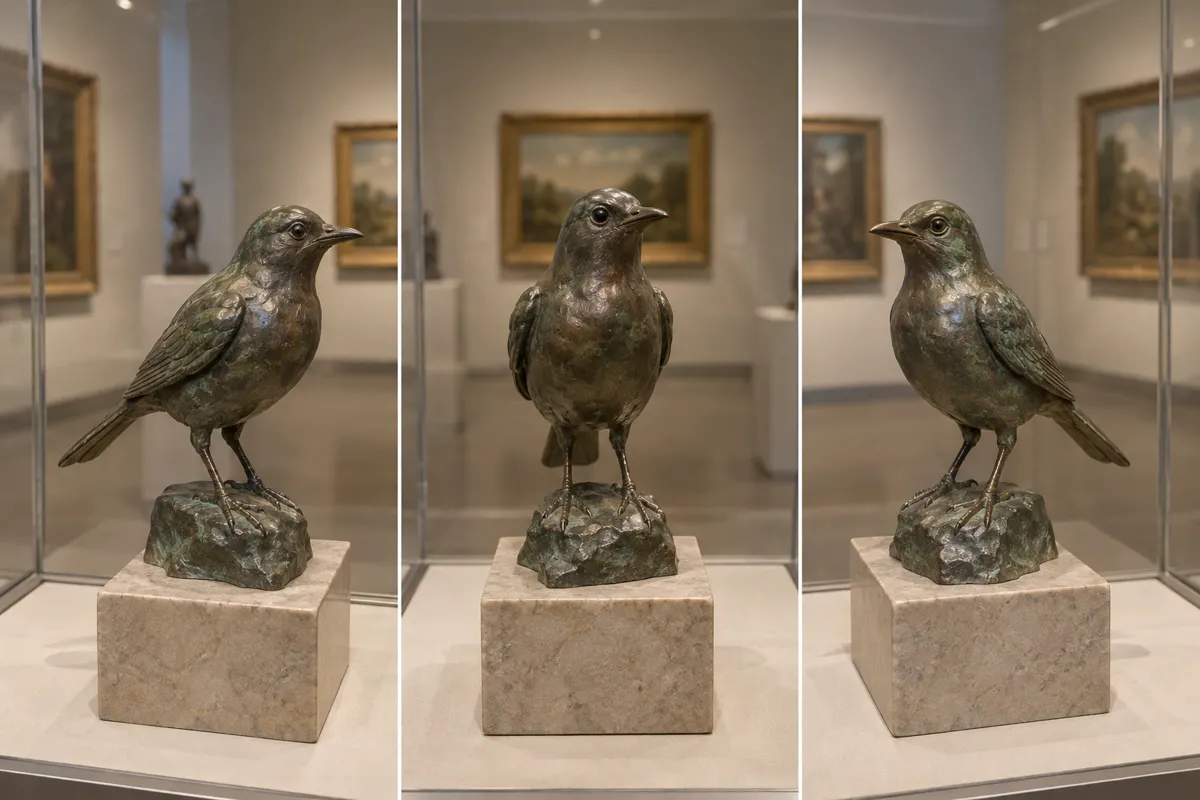
AI illustration: View synthesis of a bronze sculpture in situ
02 AI illustration: View synthesis of a bronze sculpture in situThis bronze bird sculpture is displayed from multiple vantage points within a museum setting. The technology accurately reconstructs the metallic sheen and the spatial depth of the background gallery.Illustration generated for the Atlas (AI)
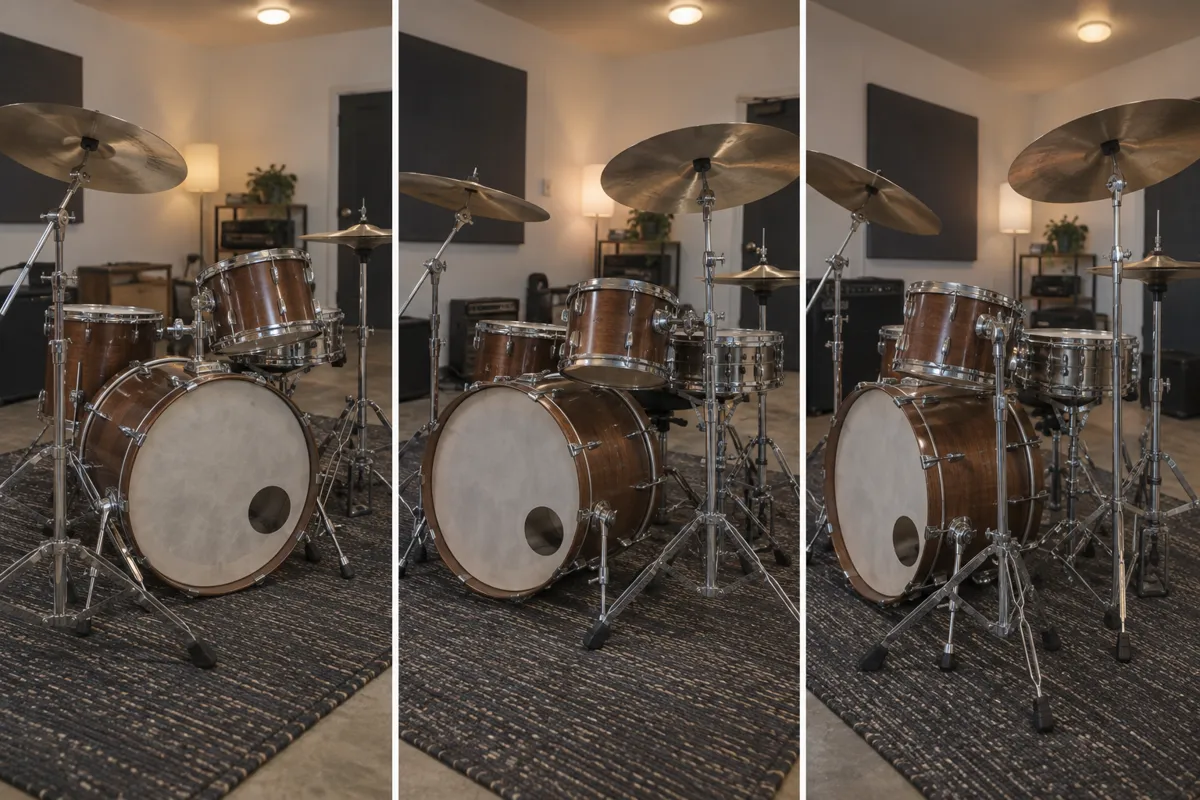
AI illustration: Complex lighting reconstruction of a studio drum kit
03 AI illustration: Complex lighting reconstruction of a studio drum kitA drum kit is rendered from several positions, highlighting the metallic reflections on the cymbals. The scene demonstrates how light density is calculated to maintain consistent lighting across new viewpoints.Illustration generated for the Atlas (AI)
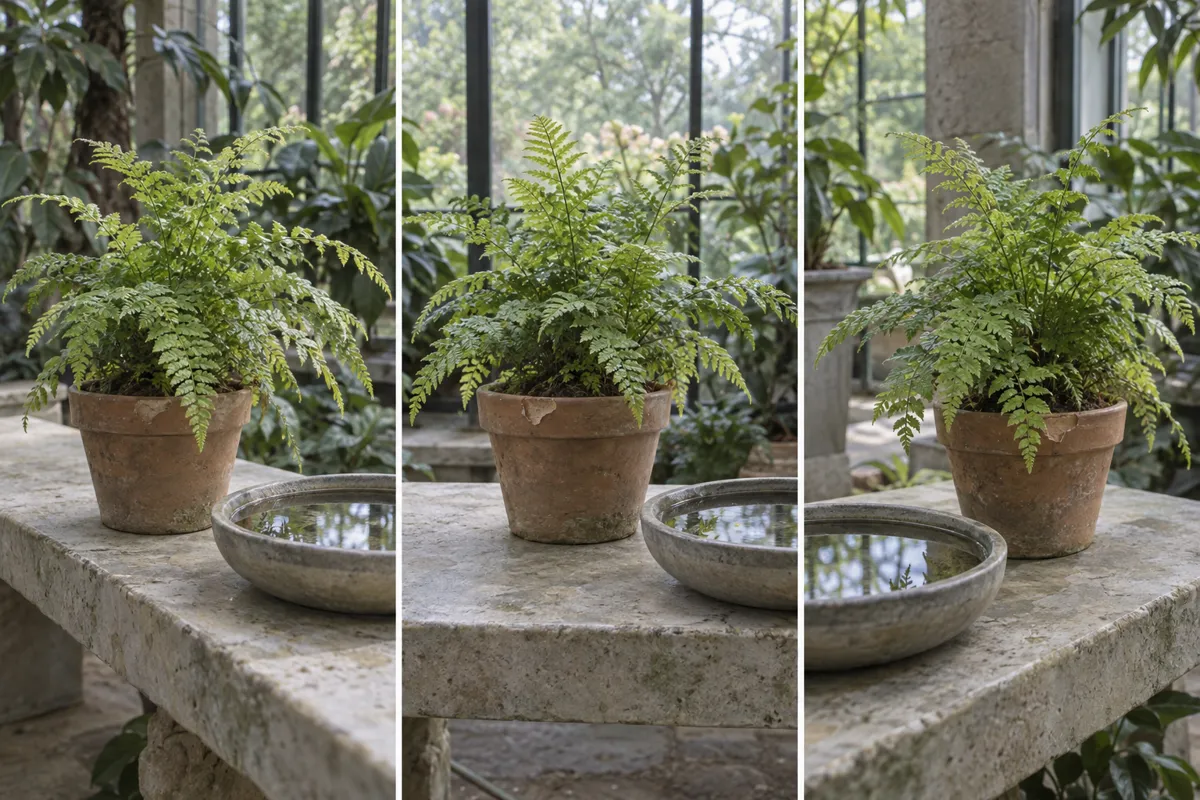
AI illustration: Volumetric rendering of organic textures and reflections
04 AI illustration: Volumetric rendering of organic textures and reflectionsA fern in a terracotta pot sits beside a water basin, shown through a shifting camera path. The fine detail of the leaves and the reflections in the water are handled through continuous volumetric representation.Illustration generated for the Atlas (AI)
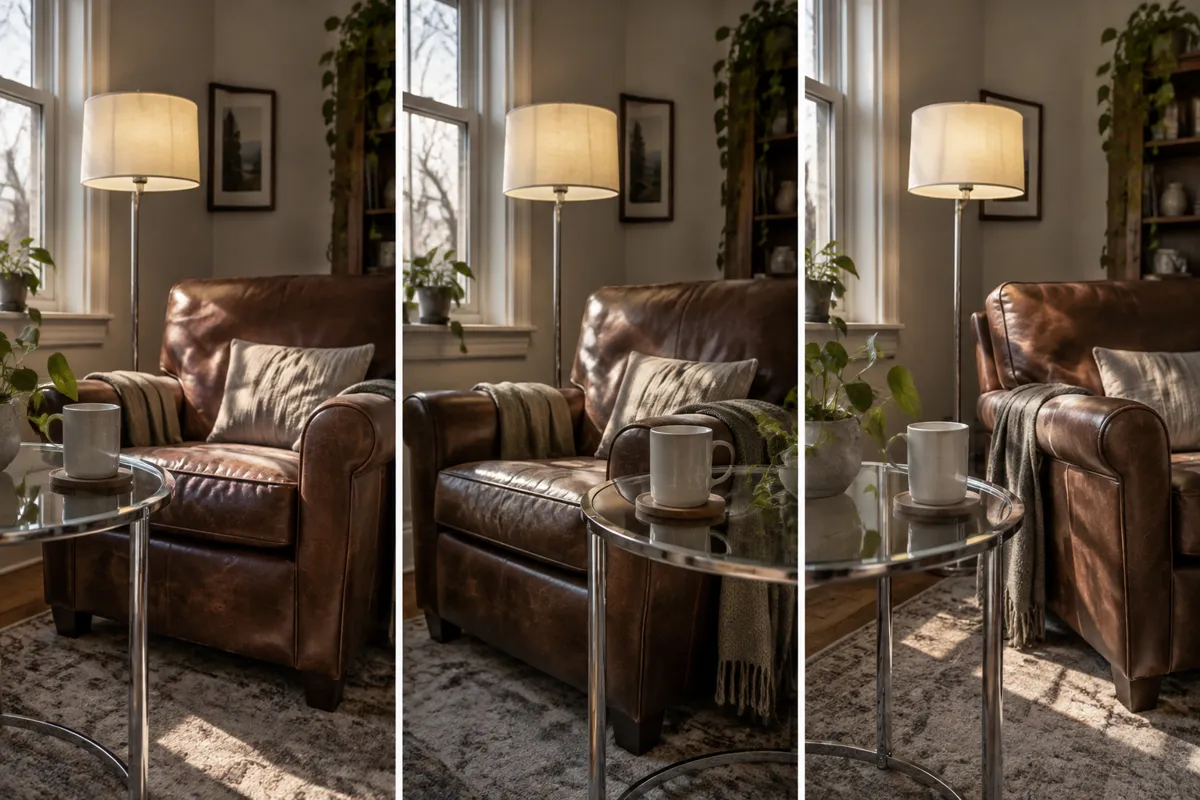
AI illustration: Interior scene synthesis with specular highlights
05 AI illustration: Interior scene synthesis with specular highlightsThis interior scene features a leather armchair and a glass table, viewed from three different spots. The method captures the specular highlights on the leather and the transparency of the glass table top.Illustration generated for the Atlas (AI)
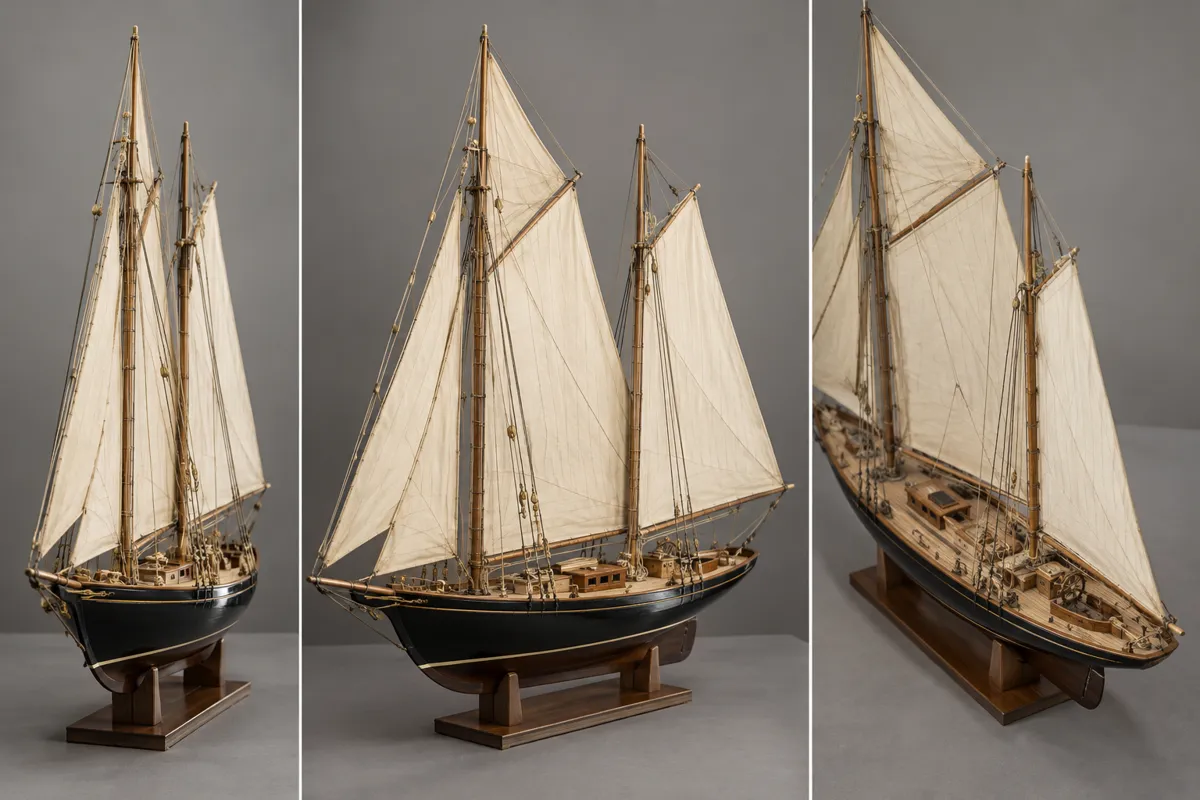
AI illustration: Multiview reconstruction of a model sailing vessel
06 AI illustration: Multiview reconstruction of a model sailing vesselA model ship is displayed against a neutral background from low, middle, and high angles. The intricate rigging and sail textures remain sharp and spatially accurate across the synthesized views.Illustration generated for the Atlas (AI)
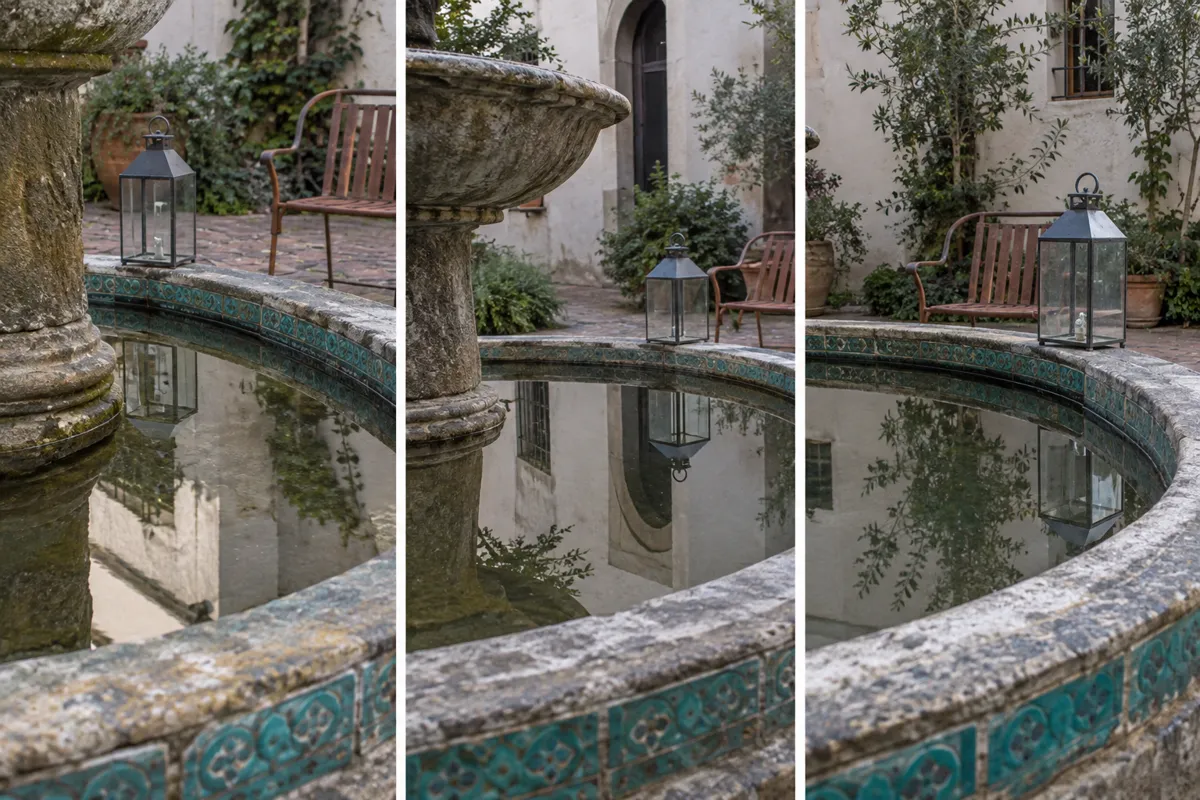
AI illustration: View-dependent reflections in a courtyard fountain scene
07 AI illustration: View-dependent reflections in a courtyard fountain sceneA courtyard fountain is shown from three angles, capturing the reflection of the surroundings in the still water. The neural radiance field effectively models the light traveling through the reflective water surface.Illustration generated for the Atlas (AI)

Question

Why do reflections look realistic in a NeRF but fake in older 3D models?

Show possible answer +

NeRF models how light travels through space depending on the viewing angle. Older models use static textures painted onto flat surfaces.