Zoom Blur
Zoom blur / zoom burst. 2010s: documented filter and photographic practice; optical history older
Prompt
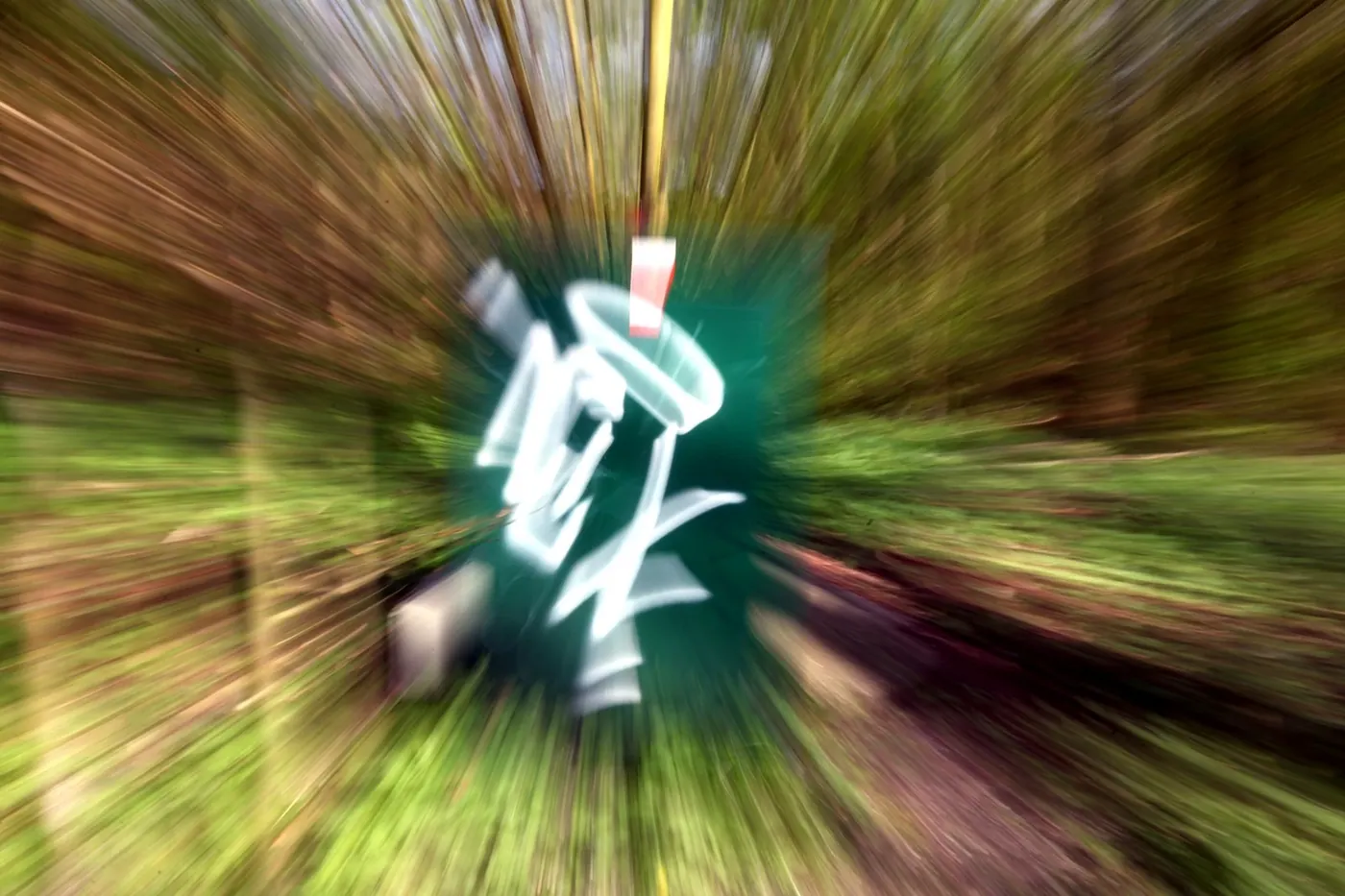
Apply a Zoom Blur effect with radial streaks extending outward from the main subject, mimicking a focal-length change during exposure. Keep the central focal area recognizable, lengthen streaks toward the edges, and blend existing colors into translucent directional trails with luminous highlights. Keep the original subject and composition.
Identify
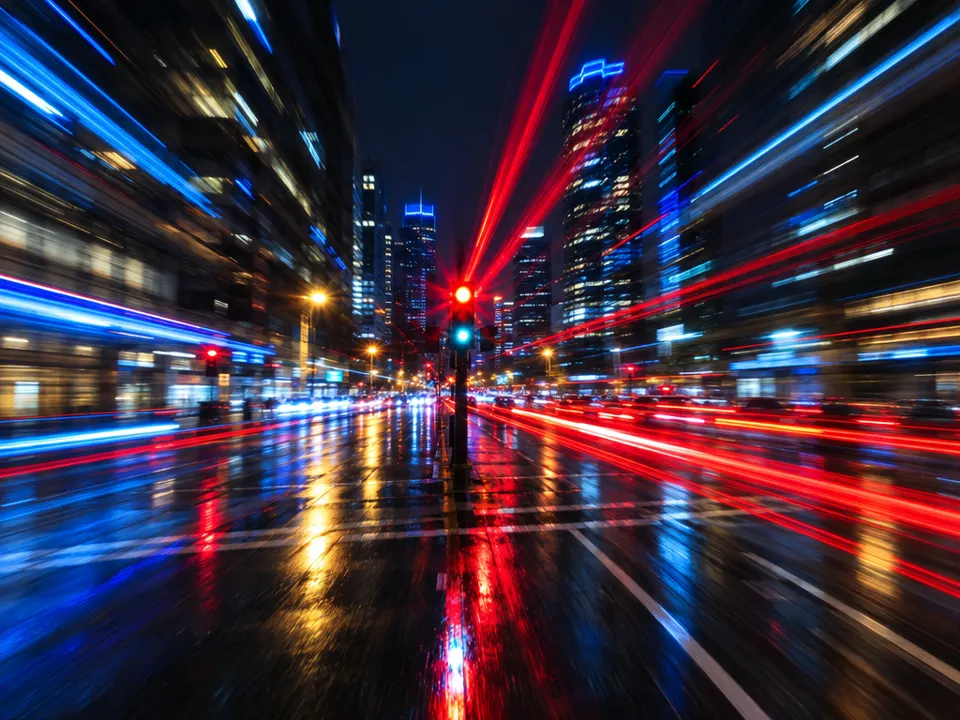
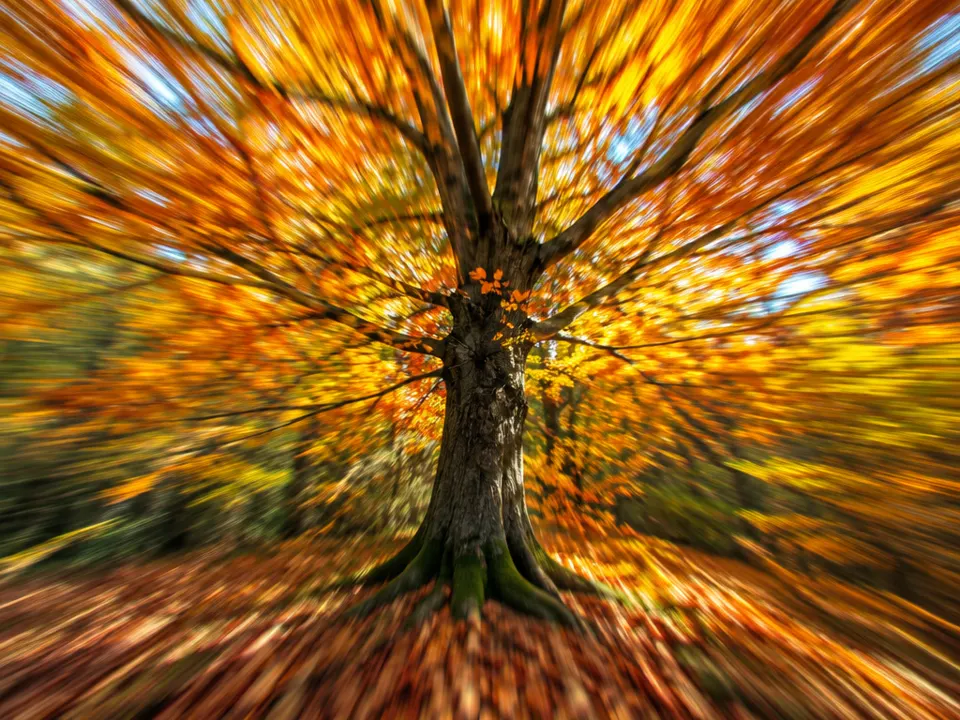
Radiating traces extend outwards from the subject.
Principle
The focal length1 changes during exposure; filters simulate this.
Example
Joost J. Bakker: Zoom blur, 2010.
Try it out
Zoom in on a light source during a long exposure2.
Background
The zoom effect is created photographically by rotating the zoom ring during a longer exposure. Points of light or high-contrast contours trace radial paths. Digital filters extend this optical principle and allow for a freely selectable center point. The 2010s refer to the use documented here in photography guides and software, not the origin of the technique itself. The crucial factor is the change in magnification, not simply a blurred focus setting.
Distinction
A real zoom blur changes the image scale during exposure. A digital zoom blur is a simulation; a dolly zoom, on the other hand, combines camera movement and focal length changes with a different effect.
Aftermath
Similarly sounding zoom terms describe different image mechanisms.
Further examples · 7 images


Question
How can you distinguish zoom blur from a normal motion swipe?
Show possible answer +Hide answer −
The traces run radially towards a common center point.