Williams Process
1918, Frank D. Williams's travelling-matte patent
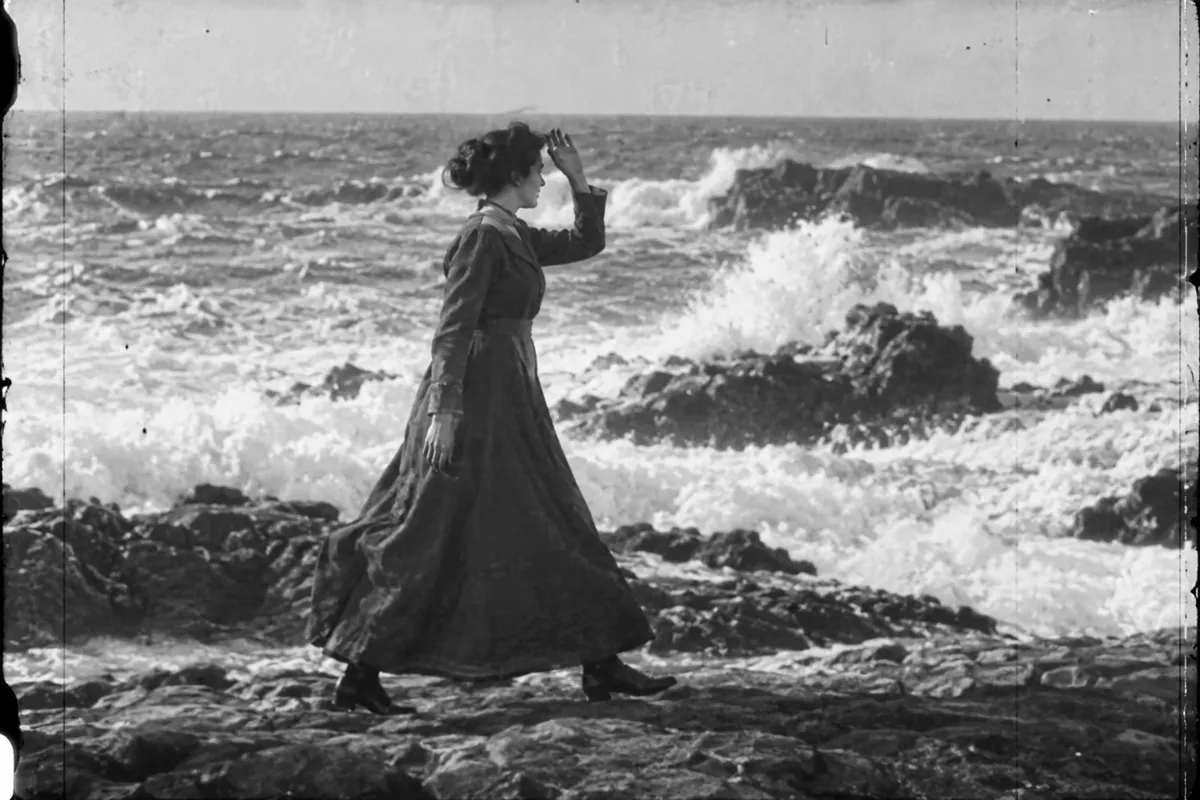
Prompt
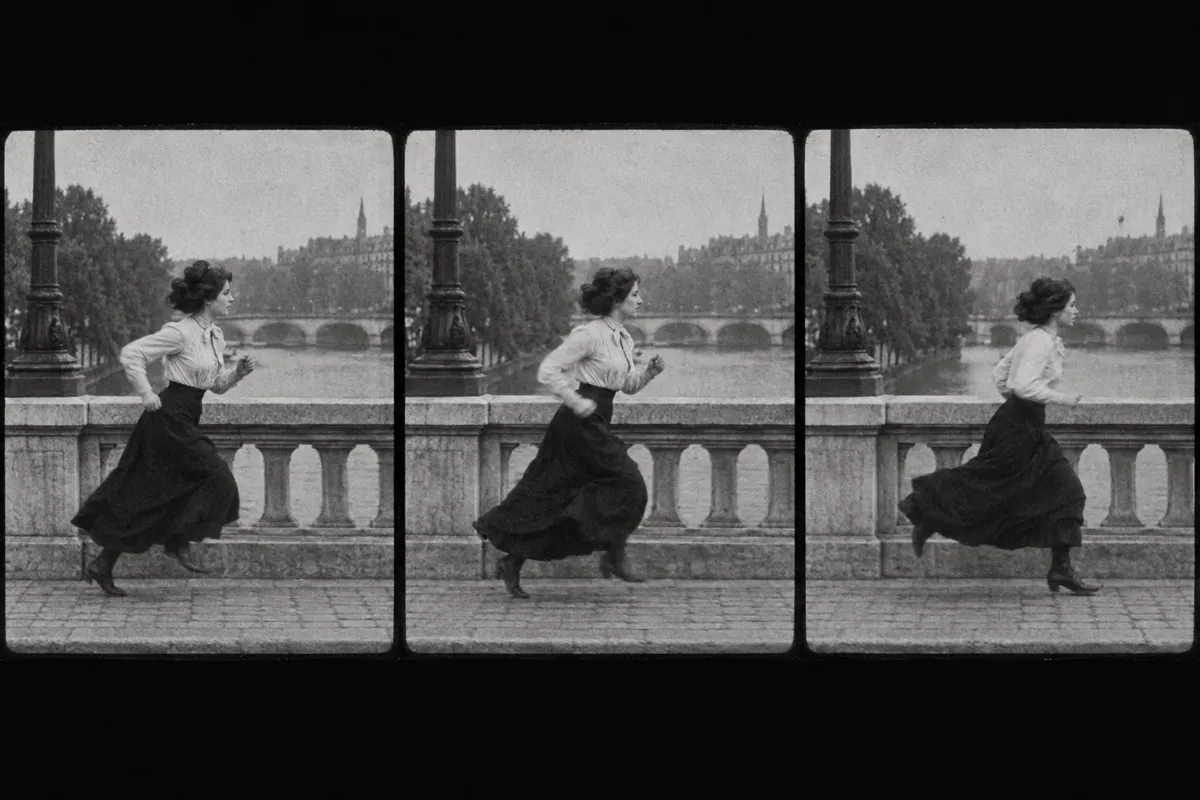
Apply a Williams Process composite treatment in monochrome, making the foreground appear optically inserted into the existing setting. Preserve precise silhouettes but introduce thin dark matte fringes, occasional pale halos, slightly mismatched grain, and contrasting foreground and background exposure. Add restrained archival softness. Keep the original subject and composition.
Identify
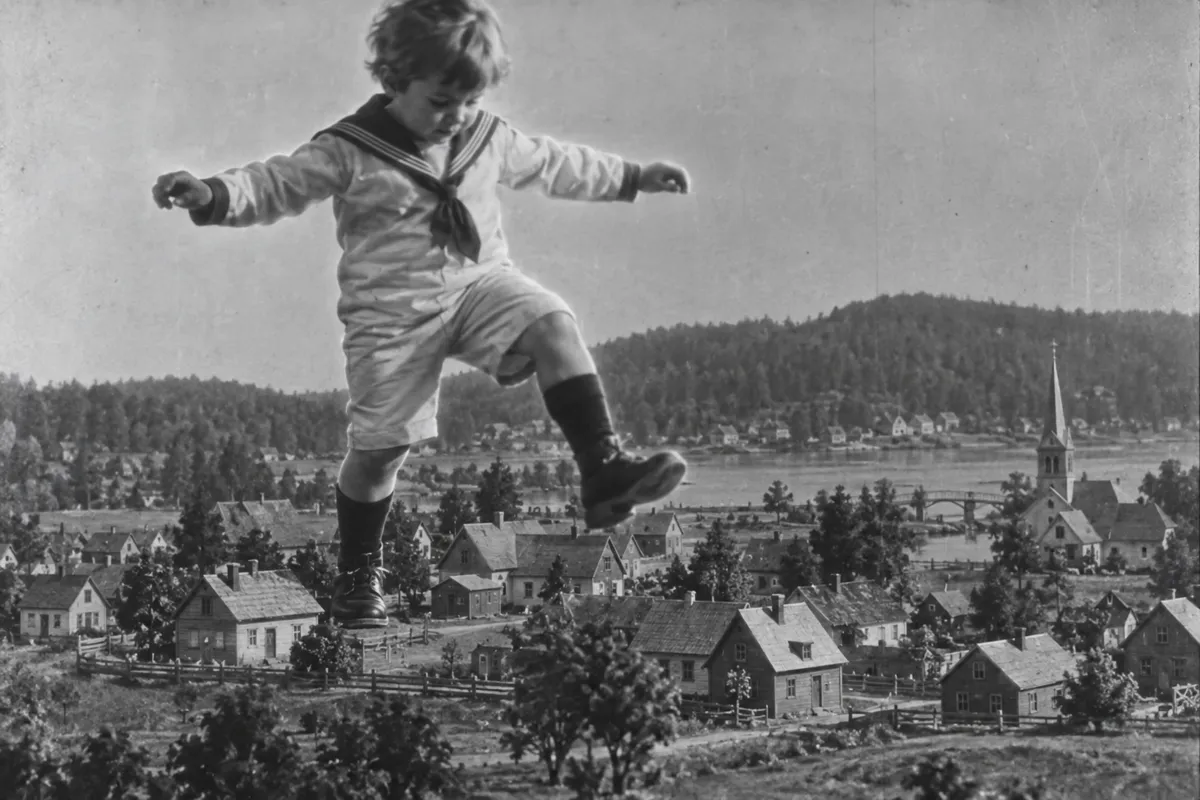
Moving figures appear inside a separately filmed setting, with their outlines preserved as they cross the frame. Dark fringes or pale halos sometimes reveal the join.
Principle
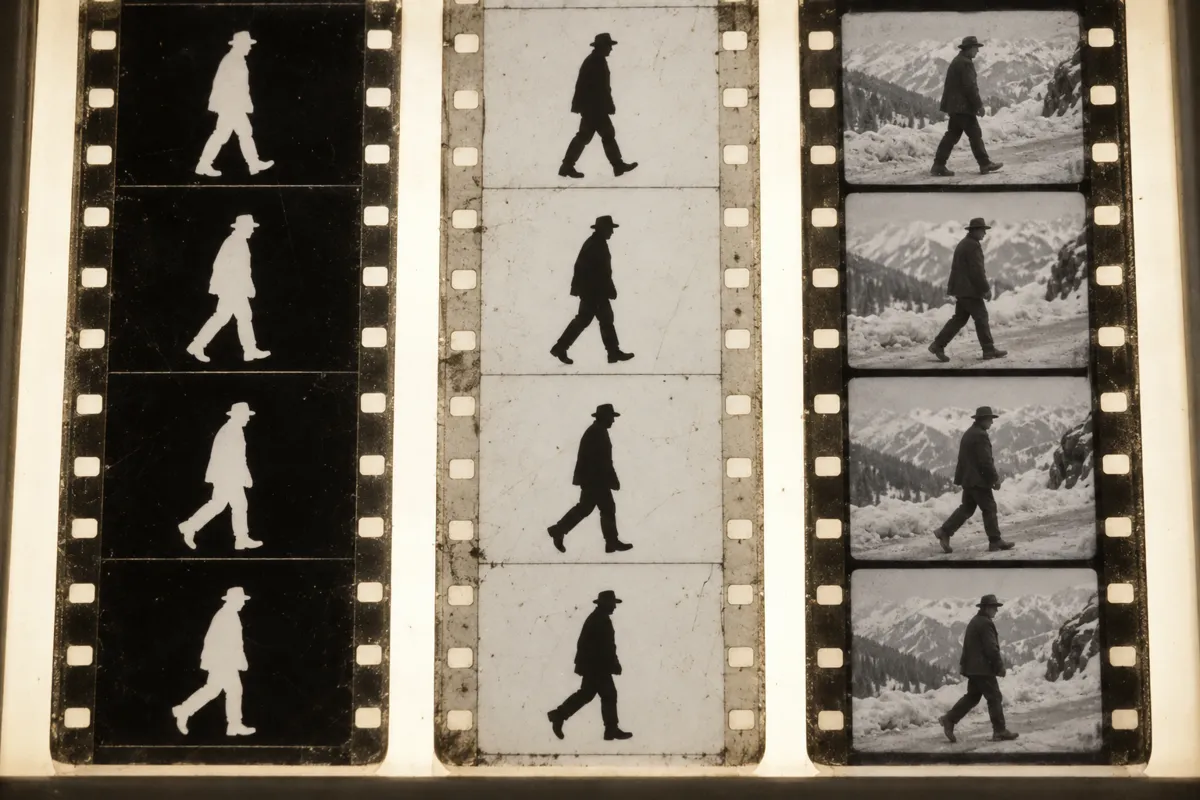
Filming against a black backing supplies the contrast needed to make complementary masks through high-contrast copying1. These travelling mattes2 control exposure during printing, combining foreground and background without simply overlaying both images.
Example
James Whale: The Invisible Man, 1933.
Try it out
Pause a composite shot in The Lost World (1925), then advance several frames while watching the dinosaur's outline.
Background
Frank D. Williams patented his process in 1918, helping filmmakers combine moving subjects with separately photographed scenery. A subject was lit against a black backing, which recorded little light. High-contrast copying produced masks that separated the subject's shape from its surroundings. Complementary masks3 protected different areas of the receiving film during successive printing exposures. Unlike a fixed mask, each travelling matte followed the subject from frame to frame. Careful alignment was essential: mismatched edges could produce visible outlines. Dark subject details could also disappear into the backing, complicating separation.
Distinction
Unlike simple double exposure, the Williams Process reserves space for the foreground instead of letting the background show through it. Unlike blue-screen separation, it relies on brightness contrast rather than color differences.
Aftermath
It shows how controlling where light reaches film can make separately photographed actions share one convincing space.
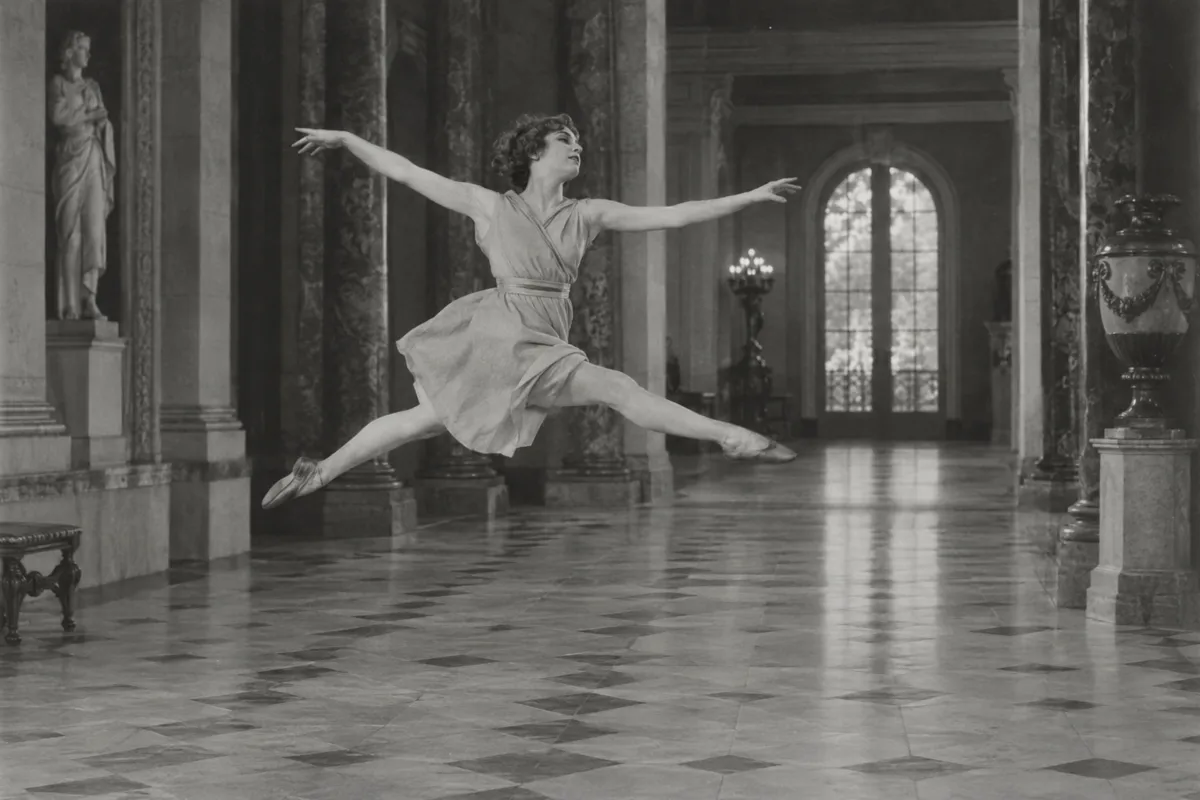
Further examples · 5 images
Question
Why must the matte change from frame to frame?
Show possible answer +Hide answer −
The subject moves and changes shape on screen. A fixed mask would eventually hide parts of it or expose unwanted background.