Voxel Graphics
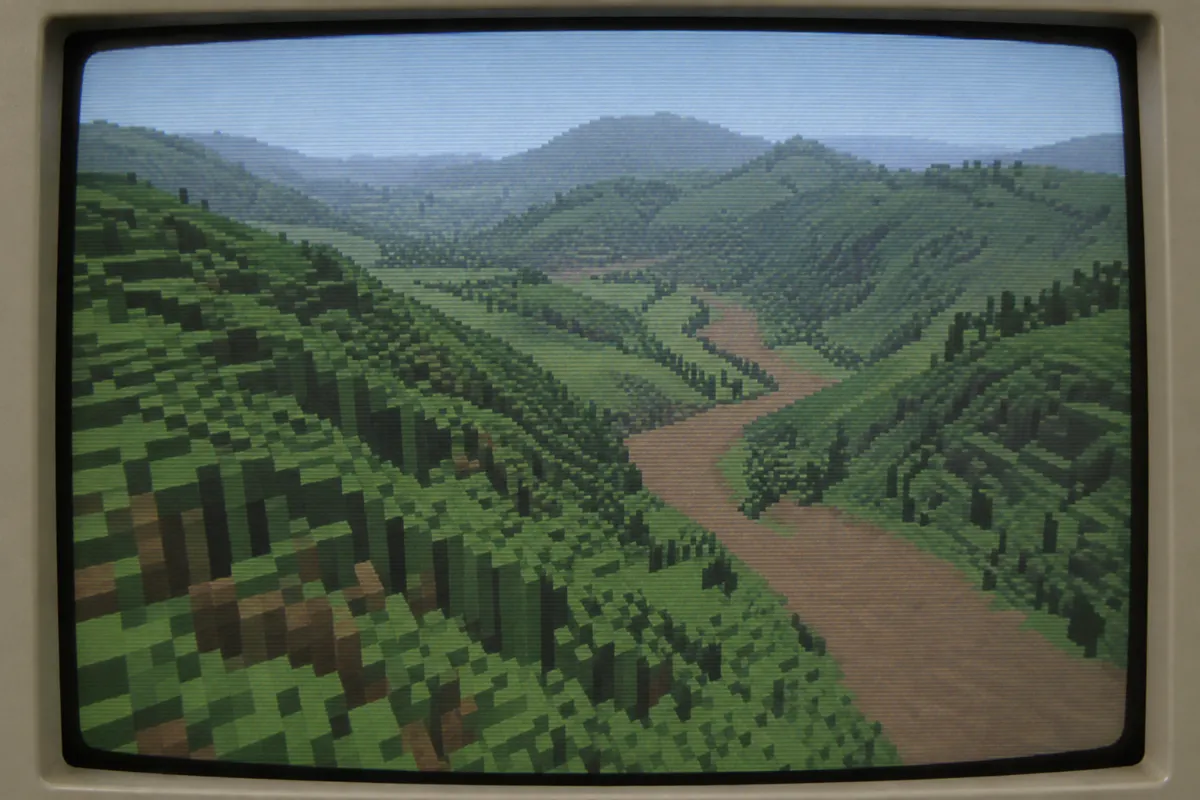
1992, NovaLogic's Comanche: Maximum Overkill
Prompt
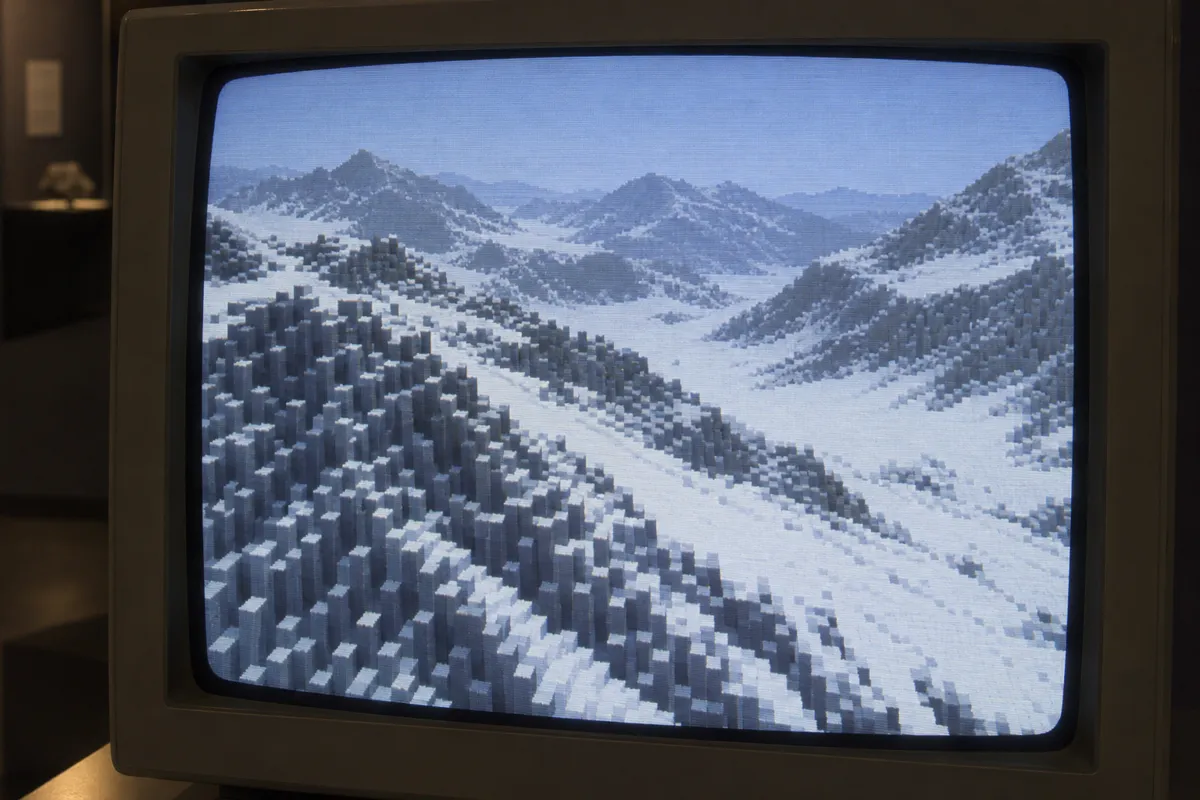
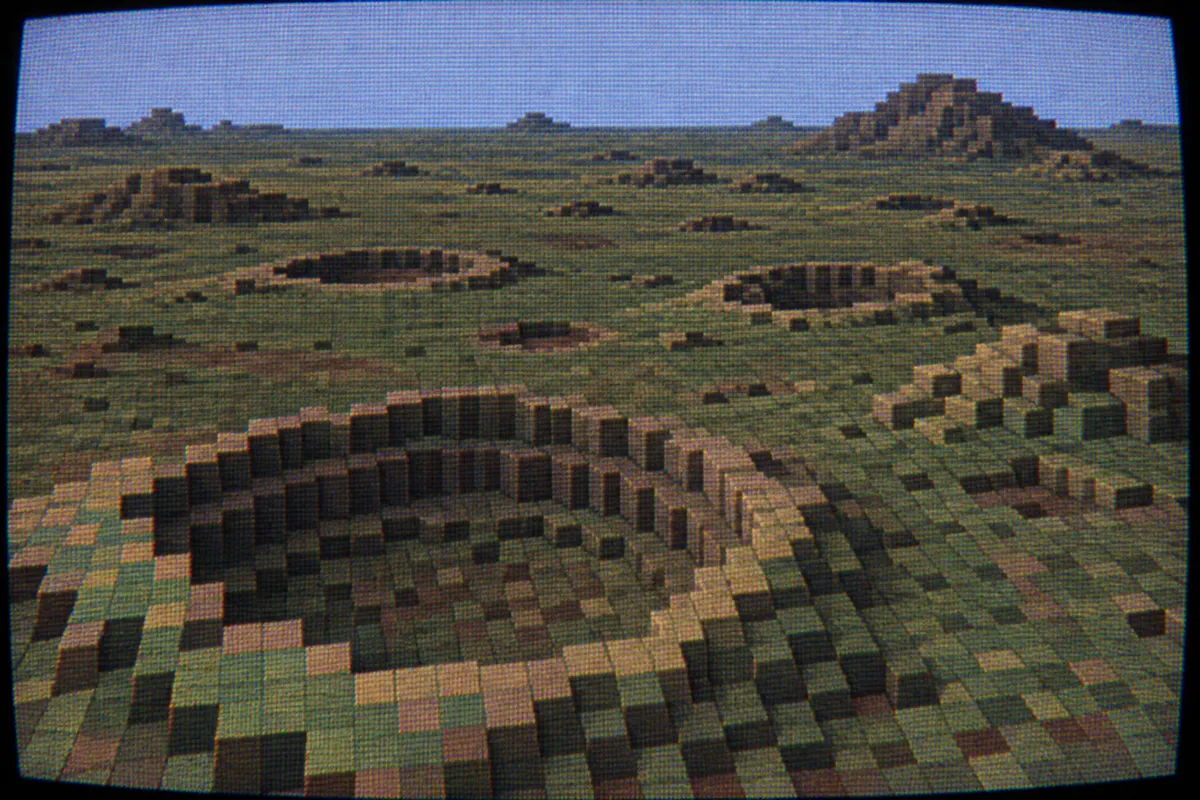
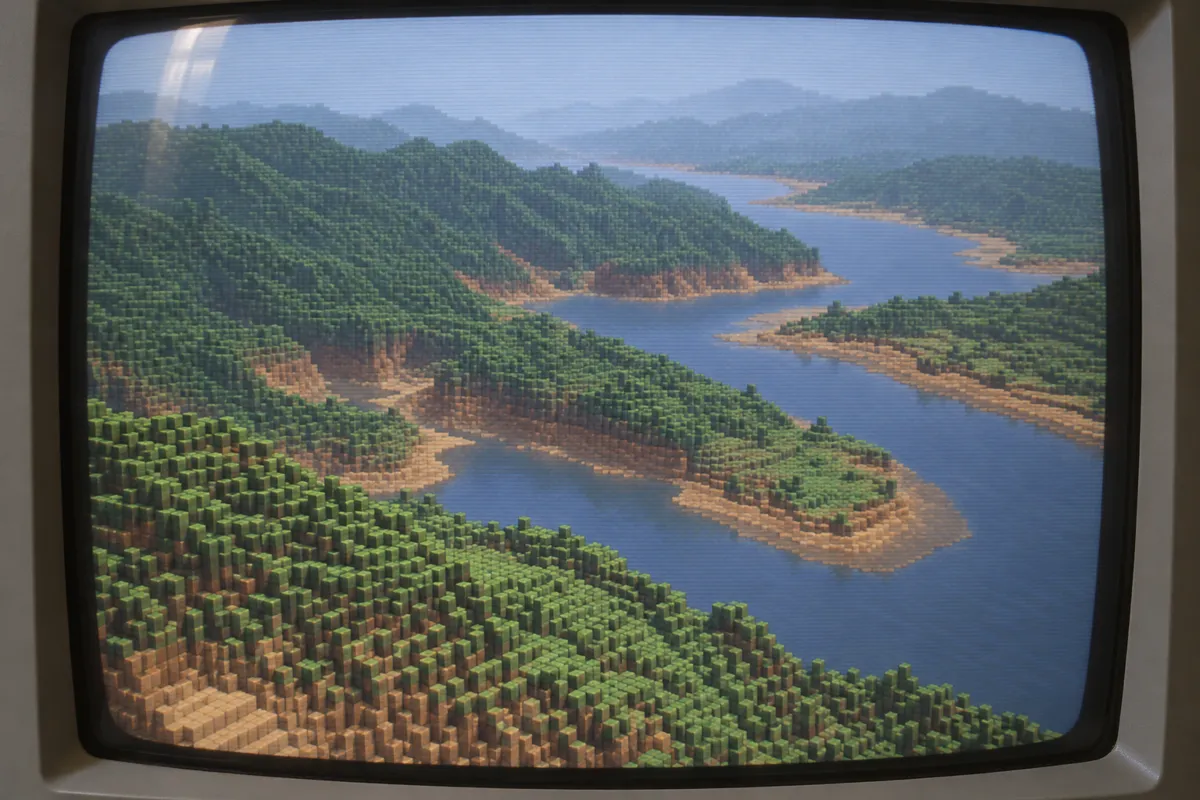
Transform this image into Voxel Graphics, rebuilding visible forms from densely stacked colored cubes. Create chunky stepped contours, bumpy volumetric surfaces, small square facets, and simple directional lighting with dark gaps between blocks, using finer cubes for important identifying features. Keep the original subject and composition.
Identify
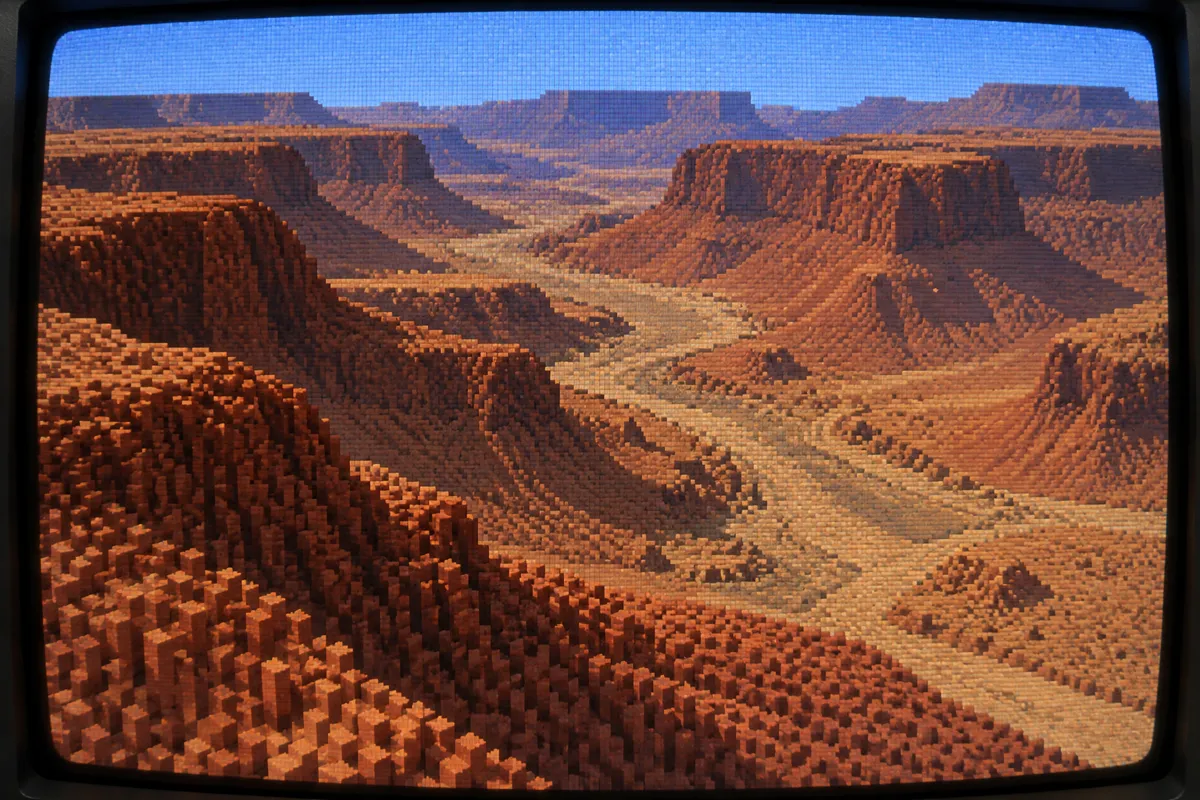
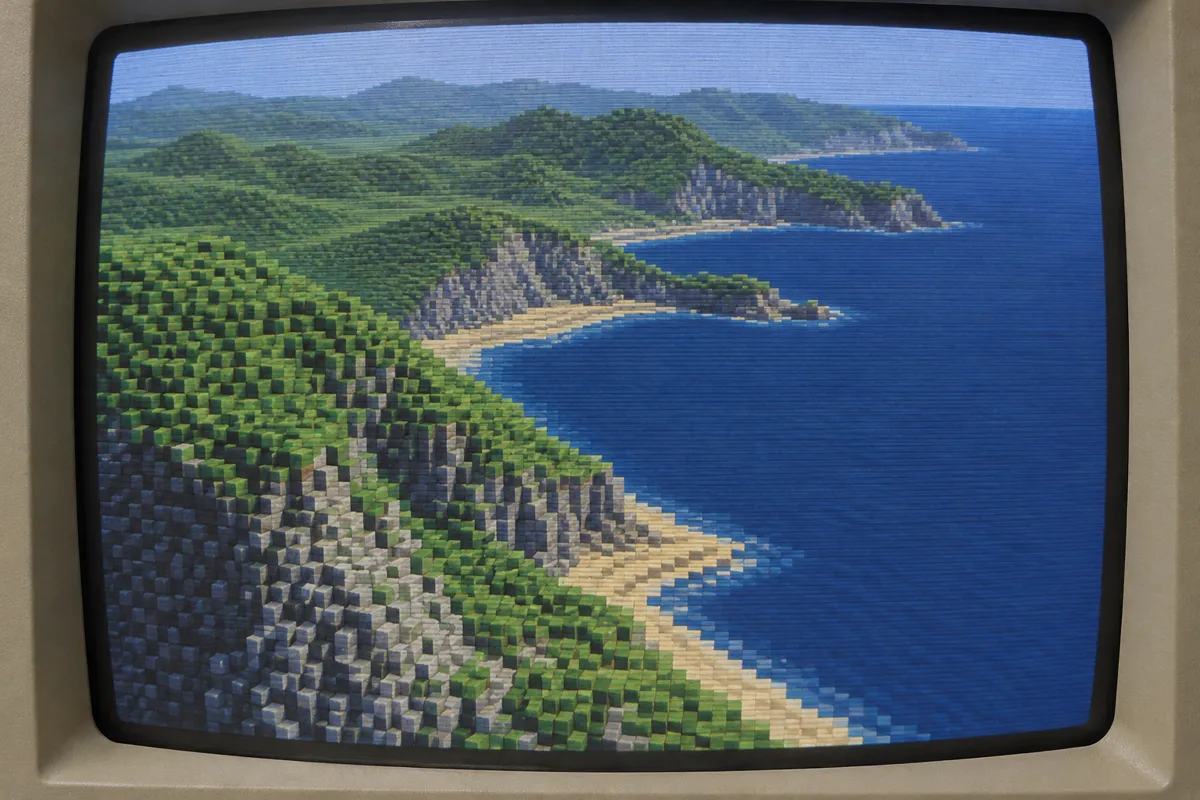
You see 3D landscapes made of tiny stacked cubes rather than flat surfaces. The terrain looks dense, chunky, and naturally bumpy instead of sharply geometric.
Principle
The image is built from volumetric pixels, which are 3D data points with color. A rendering engine1 casts rays to draw these points on the screen.
Example
NovaLogic: Comanche: Maximum Overkill, 1992.
Try it out
Look at a Minecraft landscape and notice how curved hills are actually stepped grids of solid blocks.
Background
In the early 1990s, standard computers struggled to process complex 3D polygons quickly. Voxel graphics offered a clever shortcut for rendering outdoor environments. Instead of calculating flat geometric shapes, programmers used heightmaps2. These maps told the computer how high to stack colored dots at any specific coordinate. The game engine3 then traced lines across the screen to quickly draw these points. This created incredibly detailed, rolling terrain that looked much more realistic than early polygon graphics. However, animating moving objects with voxels proved too heavy for computer memory, limiting its use.
Distinction
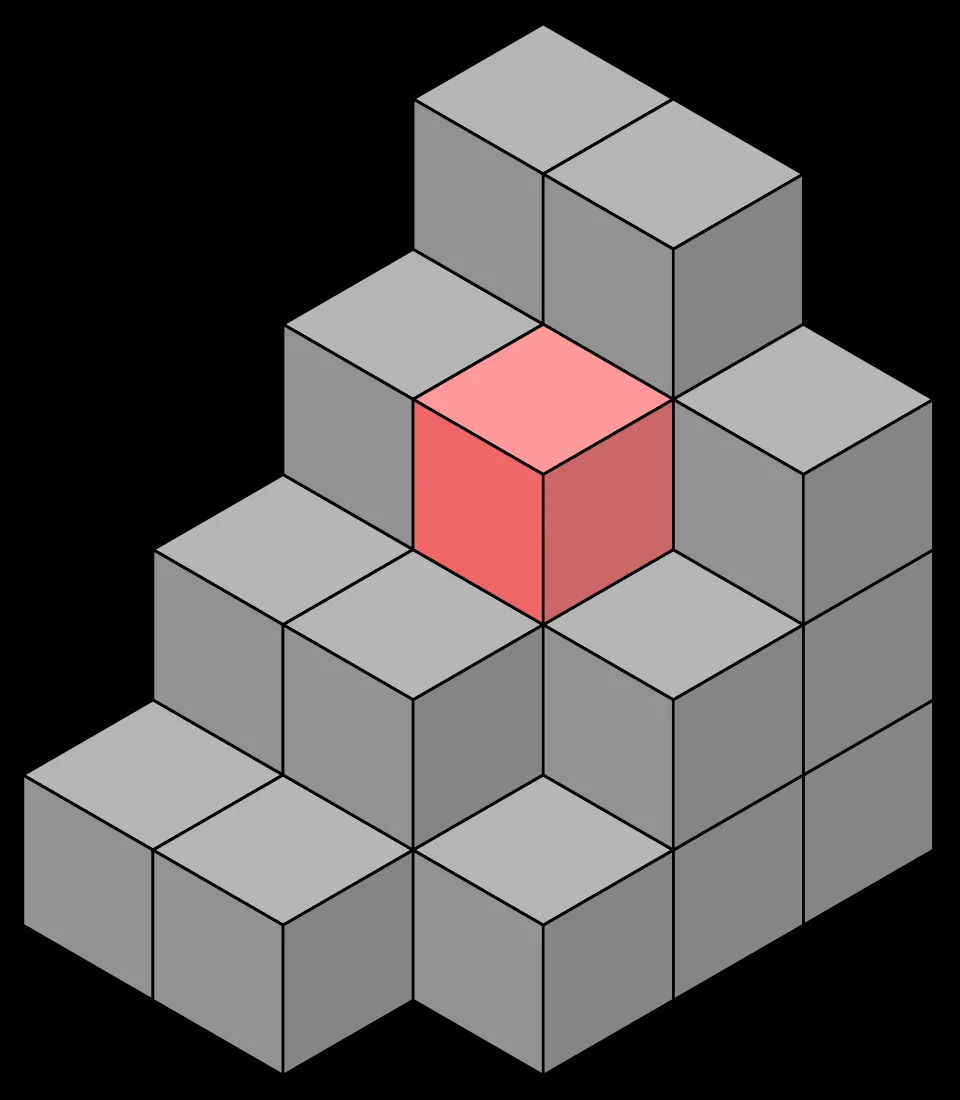
Unlike polygons, which form empty mathematical shells, voxels represent solid volume in 3D space. Think of polygons as origami and voxels as Lego bricks.
Aftermath
It teaches that representing solid volume can create rich textures that flat surfaces simply cannot achieve.
Further examples · 7 images
Question
Why did voxel graphics mostly disappear in the late 1990s?
Show possible answer +Hide answer −
Dedicated 3D graphics cards were invented to process polygons incredibly fast. These cards could not accelerate voxels, making polygons the new standard.