Travelling Matte
Traveling mat / traveling mat. 1930s: classic fantasy and invisibility effects.
Prompt
Apply a Travelling Matte effect with a visibly isolated foreground subject against a separately photographed-looking background. Add fine monochrome film grain, slight exposure mismatch, thin pale matte fringes, clipped hair edges, and subtle registration errors around the silhouette. Preserve believable lighting while keeping the original subject and composition.
Identify
A figure isolated from the background moves against a separately filmed background.
Principle
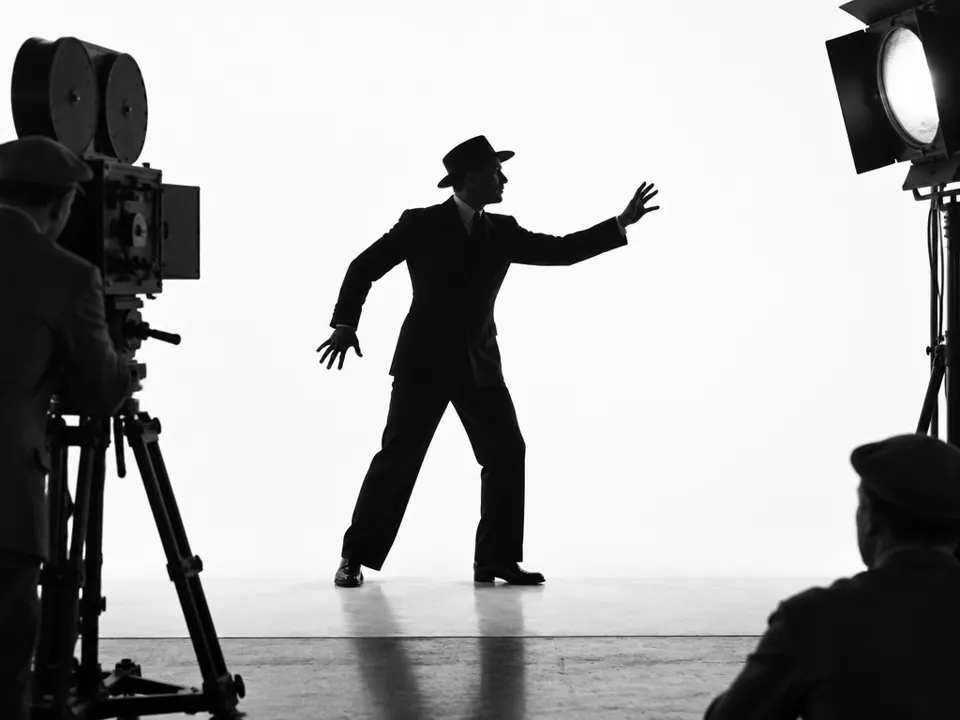
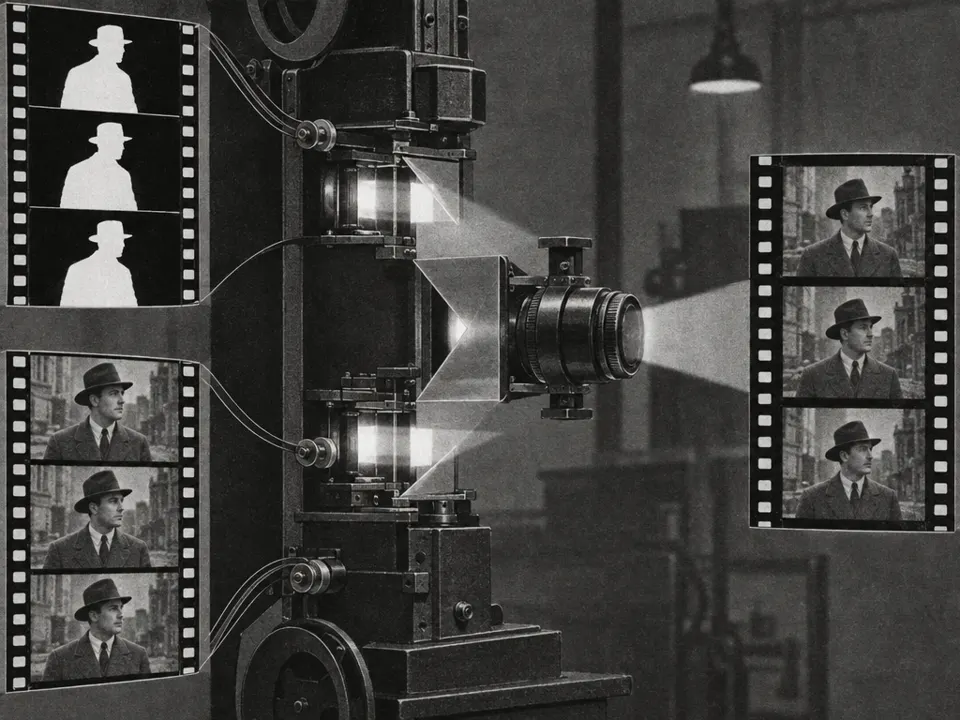
A moving black and white mask excludes the shape of the subject. A counter-mask1 and the subject image then fill in the reserved area.
Example
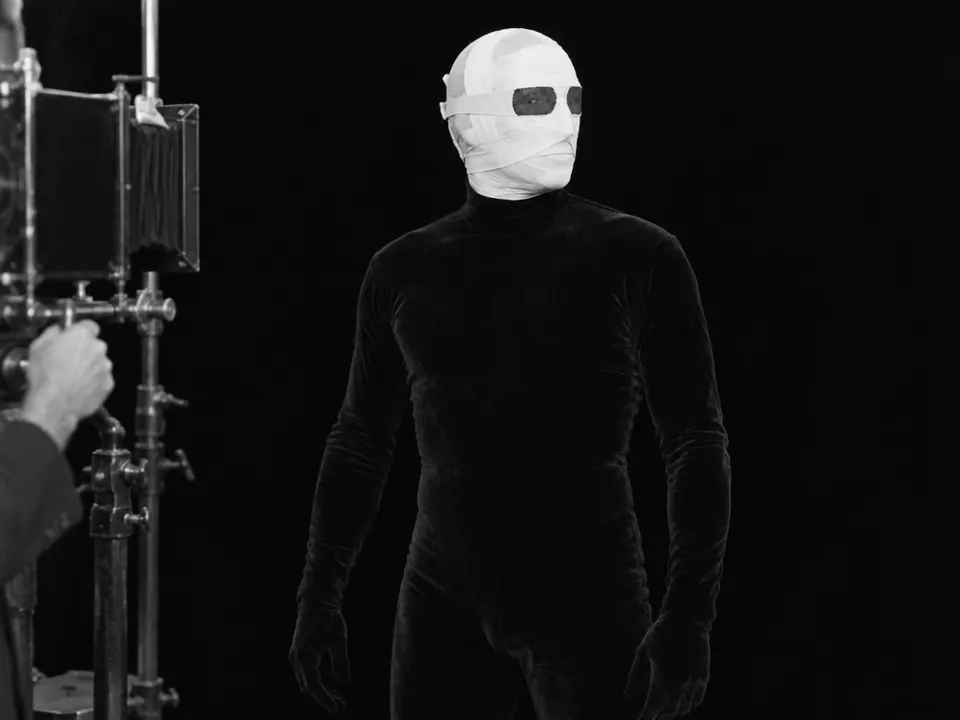
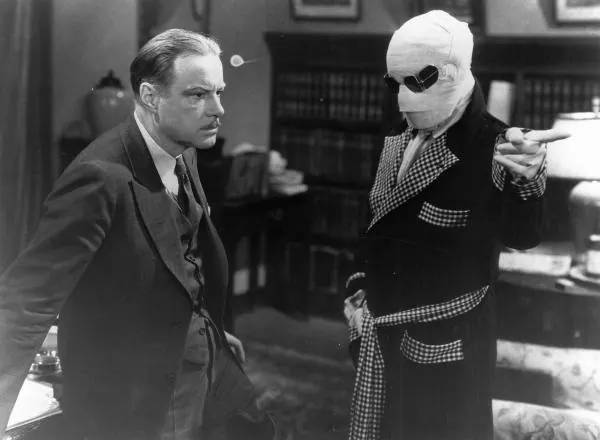
King Kong and The Invisible Man, both from 1933. Frank Williams patented his process in 1918.
Try it out
Imagine the subject as a silhouette2. Where does the background need to disappear?
Background
Frank Williams: patent 1918; various further developments in the 1920s. 1930s: classic fantasy and invisibility effects. "Moving mask" is the umbrella term; bluescreen/greenscreen are specific methods for creating masks. Color coding did not originate with computers.
Recognize: A figure isolated from the background moves against a separately photographed background; historically, light edges are sometimes visible. Mechanism: A moving black and white mask reserves the shape of the foreground subject in the background. A counter-mask and the subject image fill in the previously reserved area. Example: King Kong, 1933, uses the Dunning and Williams methods; The Invisible Man, 1933, makes clothing without a visible body possible. Practice: Think of the subject as a moving silhouette: Which pixels must the background be left blank?
A moving black and white mask reserves the shape of the foreground subject in the background. A counter-mask and the subject shot fill in the previously reserved area. A figure is isolated and moves in front of a separately photographed background; historically, light edges are sometimes visible. Think of the subject as a moving silhouette: Which pixels must the background be left blank? Moving mask is the general term; bluescreen/greenscreen are specific methods for creating masks. Color coding did not originate with computers.
Distinction
"Moving mask" is the generic term; "bluescreen" and "greenscreen" are specific methods for creating masks. Color coding did not originate with computers.
Aftermath
Precursor of today's alpha compositing and keying.
Further examples · 6 images