Skeuomorphic Interface
2000s prominence; Apple's iPhone launched in 2007
Prompt
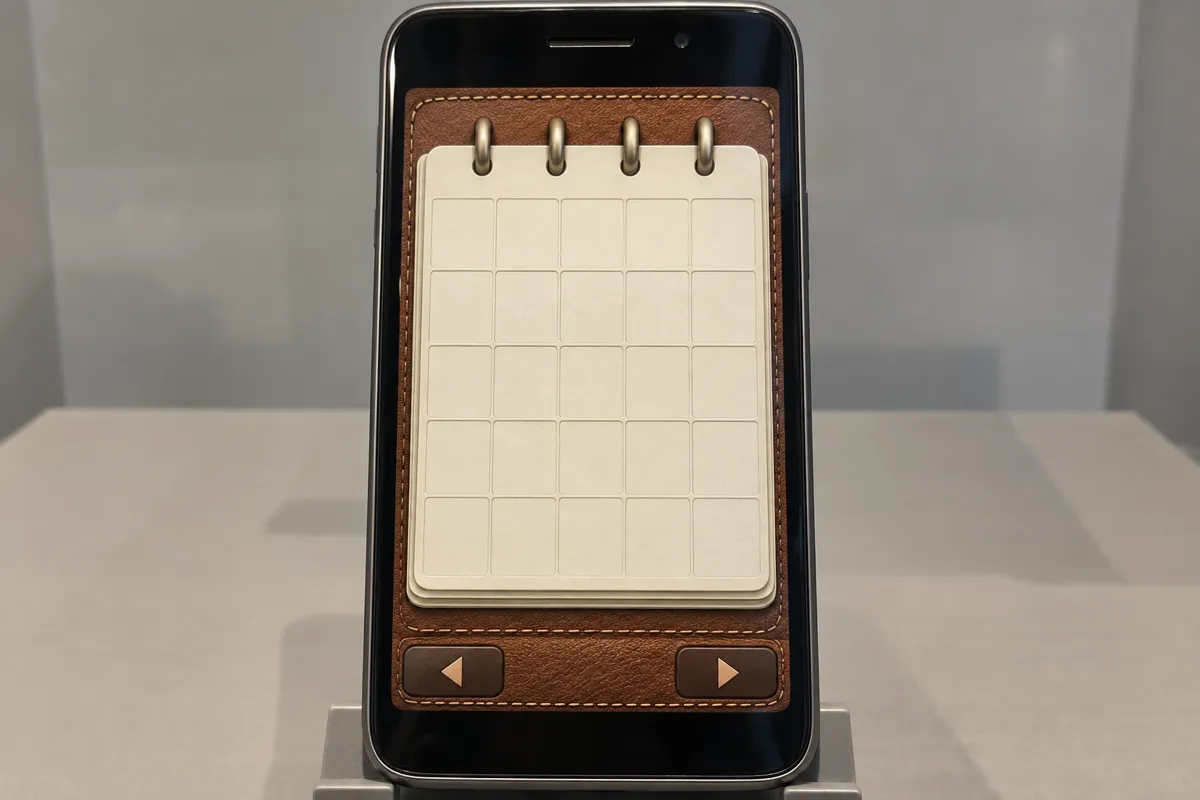
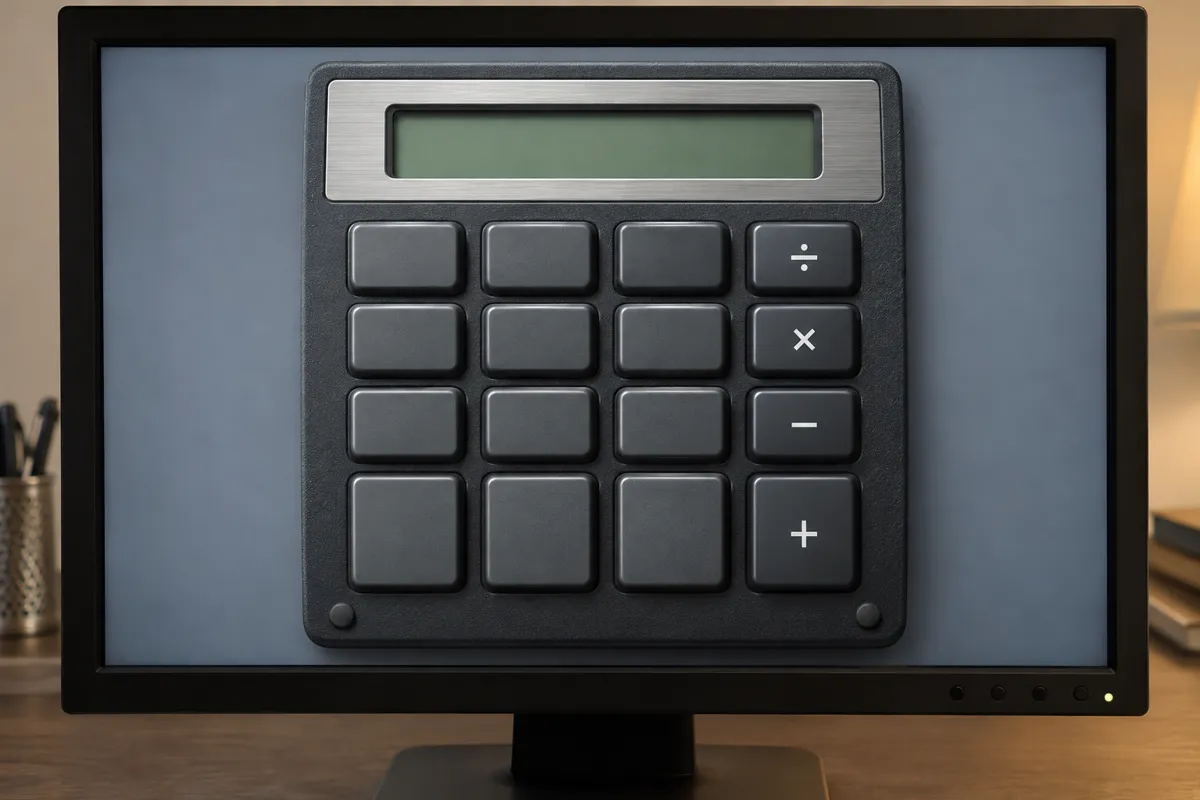
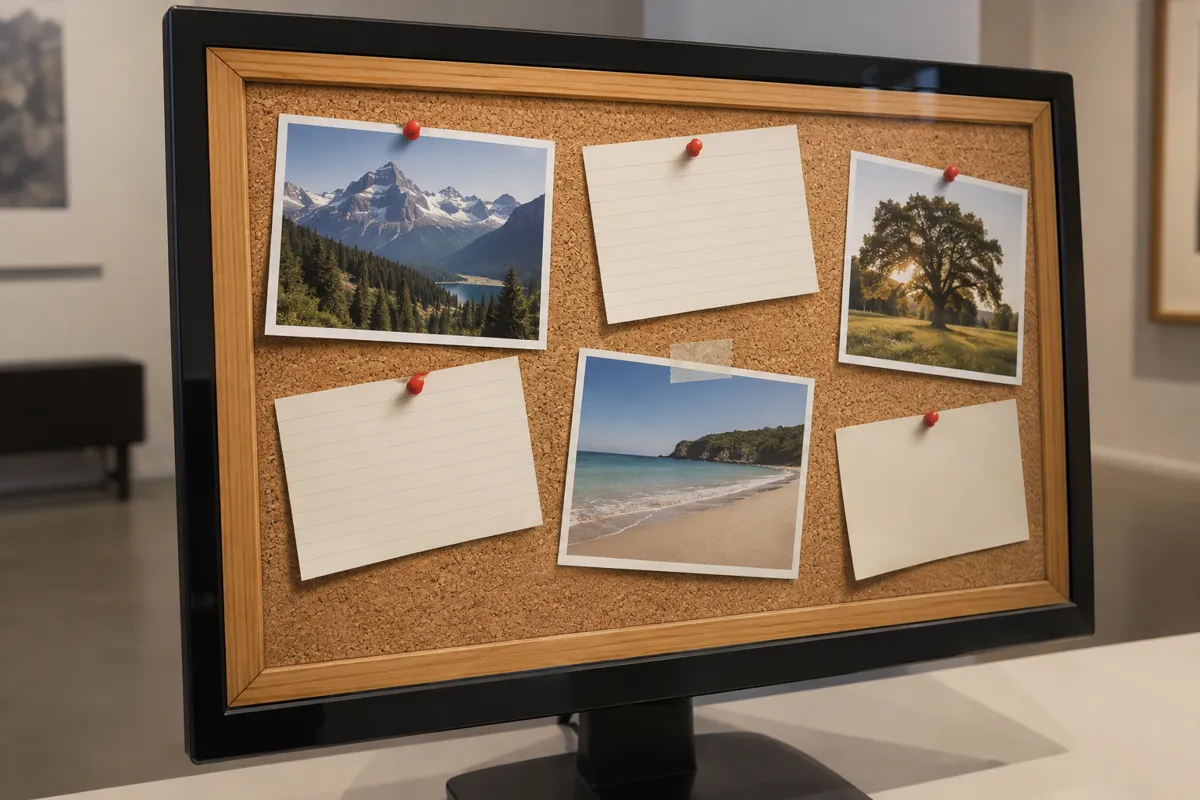
Transform this image into a Skeuomorphic Interface, presenting existing forms as tactile digital panels and physical-looking controls. Use stitched leather borders, brushed metal details, subtle wood grain, embossed edges, raised buttons, and soft inset shadows. Keep material textures believable and lighting consistent across the simulated surfaces. Keep the original subject and composition.
Identify
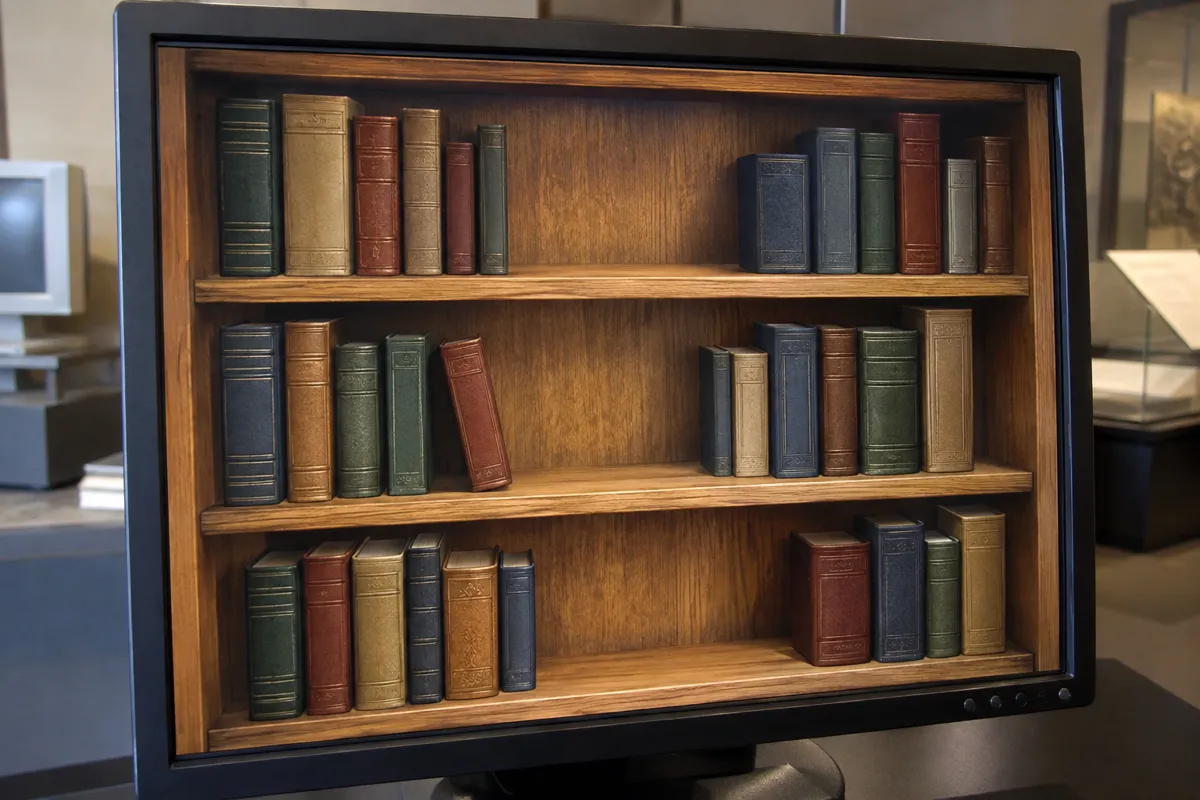
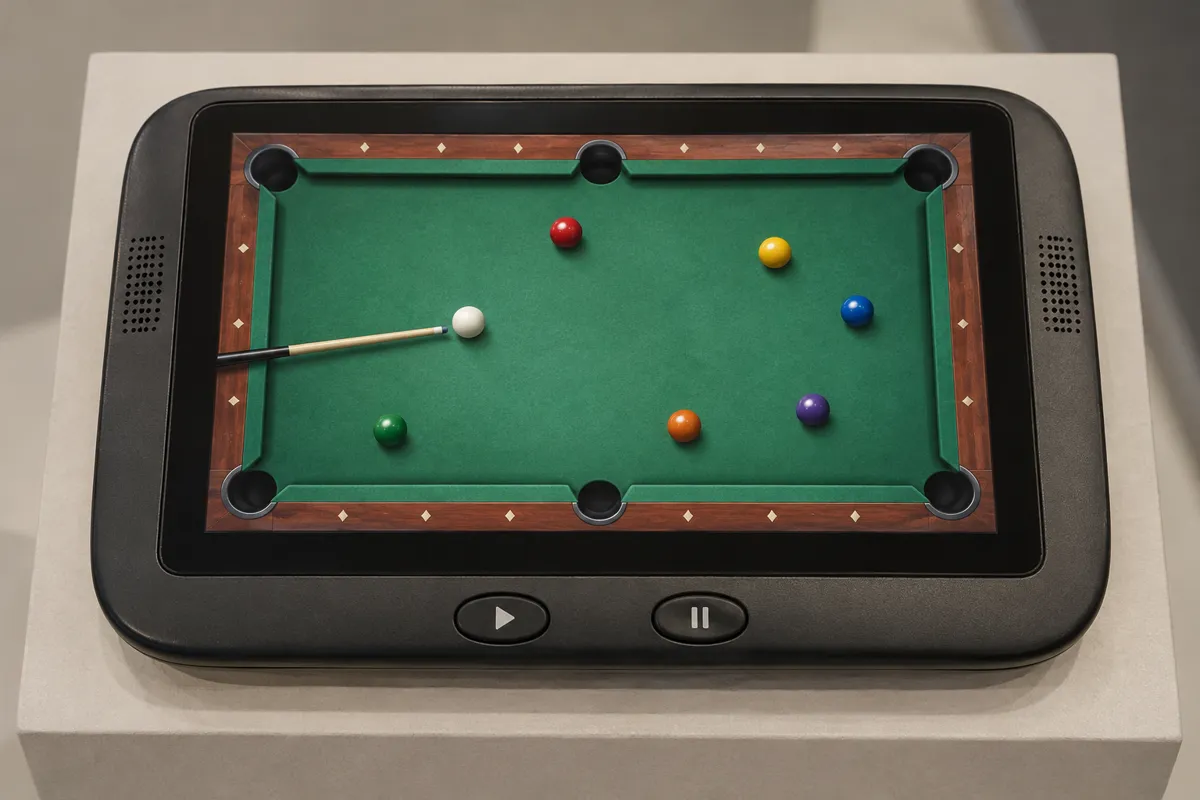
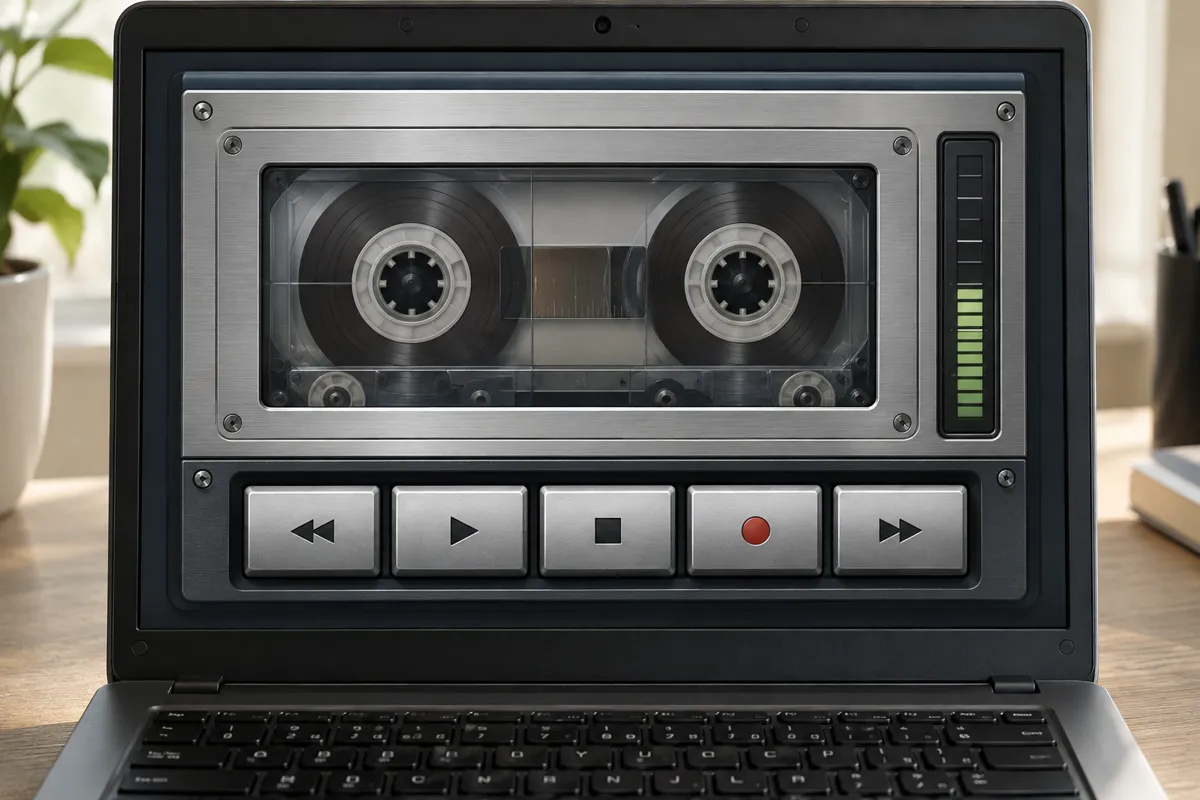
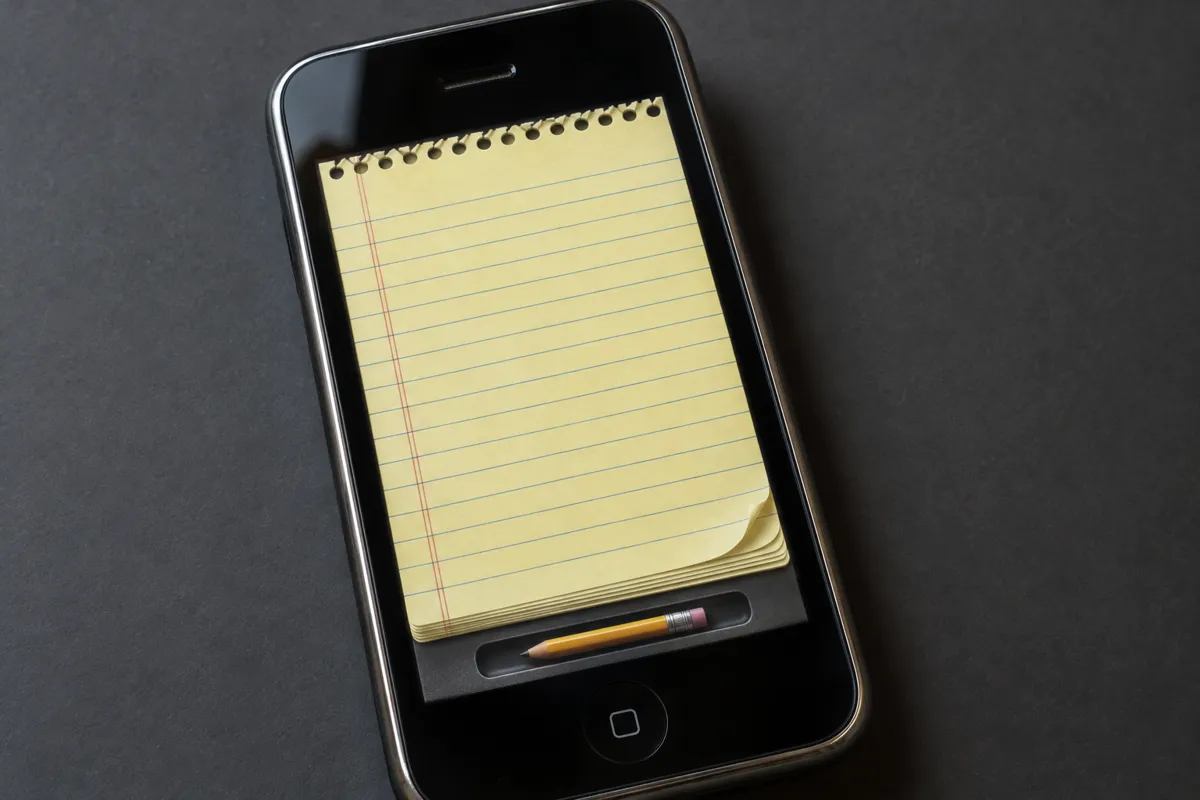
Controls resemble physical objects, with raised buttons, simulated materials, and familiar details such as stitching or ruled paper. Leather, wood grain, and green felt can turn screens into desks, shelves, or gaming tables.
Principle
Digital textures, gradients1, and shadows simulate surface materials and depth on a flat display. These visual metaphors2 connect software functions with familiar objects, without requiring their physical construction.
Example
Apple: iPhone Notes, 2007.
Try it out
Study an early iPhone Notes screenshot, then separate useful notebook cues from decorative details that cannot affect digital writing.
Background
Skeuomorphic interfaces predate smartphones, drawing on earlier desktop metaphors and software that imitated physical equipment. The 2007 iPhone brought familiar objects into touch interaction, including a Notes application resembling a yellow notepad. Leather, wooden shelves, and felt appeared across Apple's interfaces in subsequent years, not all in the original iPhone. Designers used bitmap textures3, gradients, highlights, and shadows to suggest tangible surfaces. These cues could help users recognize controls, but decoration sometimes competed with content. The approach became especially visible as touchscreens reached wider audiences.
Distinction
Realistic shading alone is not necessarily skeuomorphism: the design must borrow recognizable features from another object or material. Flat design generally reduces texture and depth, though it can retain object-based metaphors.
Aftermath
Skeuomorphic interfaces show how familiar materials can explain unfamiliar tools, while also carrying unnecessary physical conventions into software.
Further examples · 7 images
Question
Why is a digital notepad's ruled paper skeuomorphic, even when the screen looks flat?
Show possible answer +Hide answer −
It borrows a recognizable feature of physical stationery that digital text does not require. Skeuomorphism depends on that borrowing, not on three-dimensional shading.