Frutiger Aero
Mid-2000s–early 2010s; Windows Vista era, 2007
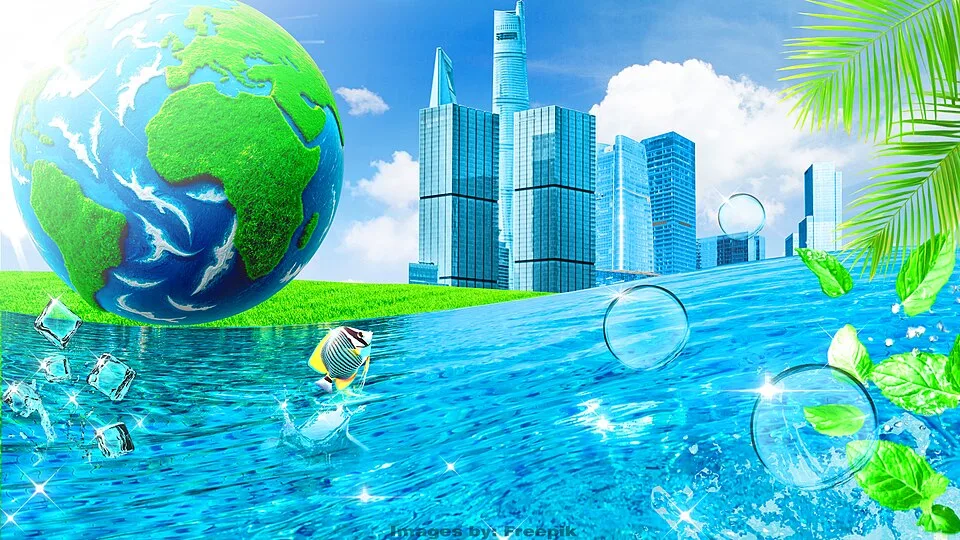
Prompt
Transform this image into a Frutiger Aero aesthetic with luminous aqua blues, fresh grassy greens, glossy bubbles, and translucent glass accents. Add rounded reflective surfaces, smooth digital gradients, sparkling white highlights, and bright sky-like illumination. Favor clean, optimistic polish over gritty texture. Keep the original subject and composition.
Identify
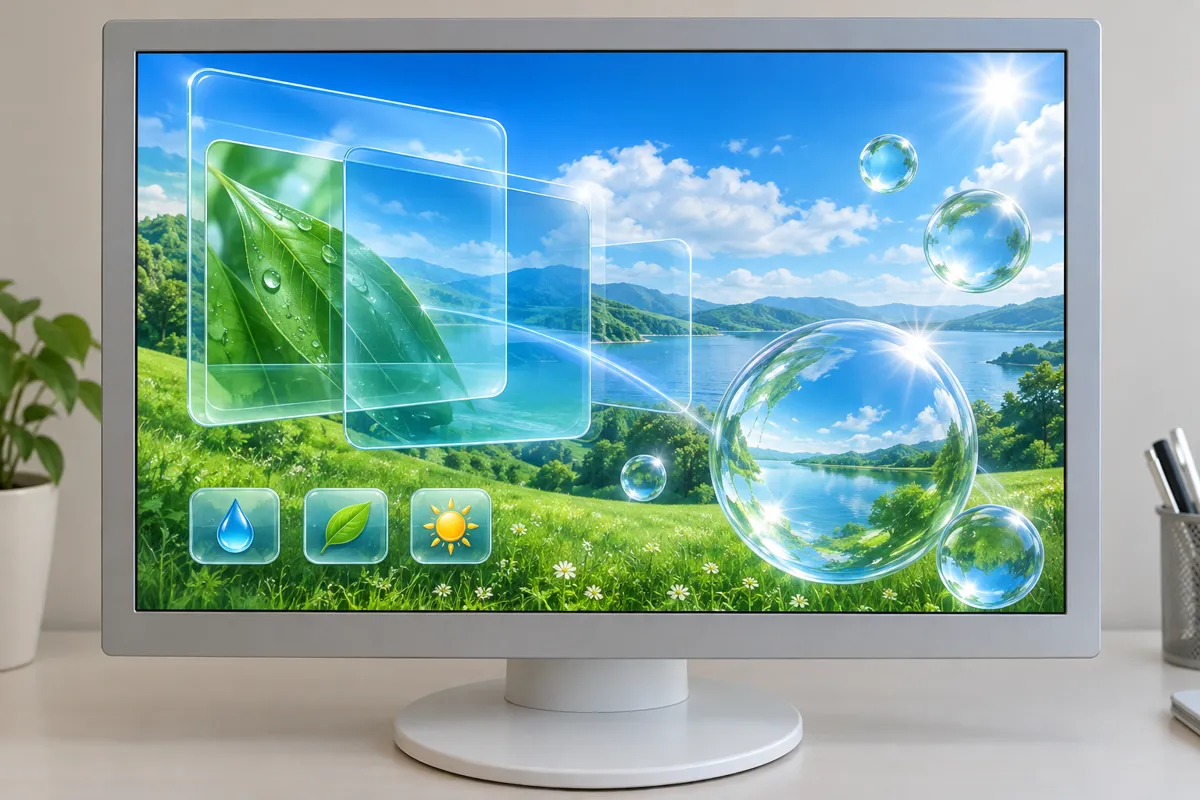
Glossy aqua bubbles, translucent glass panels, and vivid green landscapes appear against bright skies. Rounded icons and white highlights suggest clean, polished surfaces.
Principle
Digital gradients1, simulated reflections, and transparency create the appearance of glass, water, and shiny plastic. Compositing2 combines these surfaces with photographs or rendered scenes.
Example
Microsoft: Windows Vista Aero interface, 2007.
Try it out
Draw a blue circle, add a pale oval highlight, and compare its apparent depth before and after the highlight.
Background
Frutiger Aero is a retrospective label for a visual style common in 2000s interfaces, advertising, and digital illustration. Its name connects the Frutiger typeface with Microsoft's Aero interface. Designers paired technological surfaces with grass, water, clouds, and other reassuring natural imagery. Gradients and highlights suggested curved objects without requiring physically accurate rendering. In Windows Vista, desktop compositing3 enabled translucent window borders with blurred backgrounds. The broader style also appeared in static images, where transparency and reflections were simply painted or rendered. It describes a shared visual vocabulary, not one standardized technique.
Distinction
Skeuomorphism makes digital objects resemble familiar physical tools, such as a calculator or leather notebook. Frutiger Aero overlaps with it but emphasizes glossy surfaces and idealized nature.
Aftermath
It shows how simulated materials and natural imagery can make digital technology feel tangible and approachable.
Further examples · 7 images


Question
Does a glasslike panel need a physically accurate simulation of glass?
Show possible answer +Hide answer −
No. Transparency, background blur, bright edges, and carefully placed highlights can suggest glass without calculating its full optical behavior.