Lith Printing
1980s, popularization by fine art photographers

Prompt
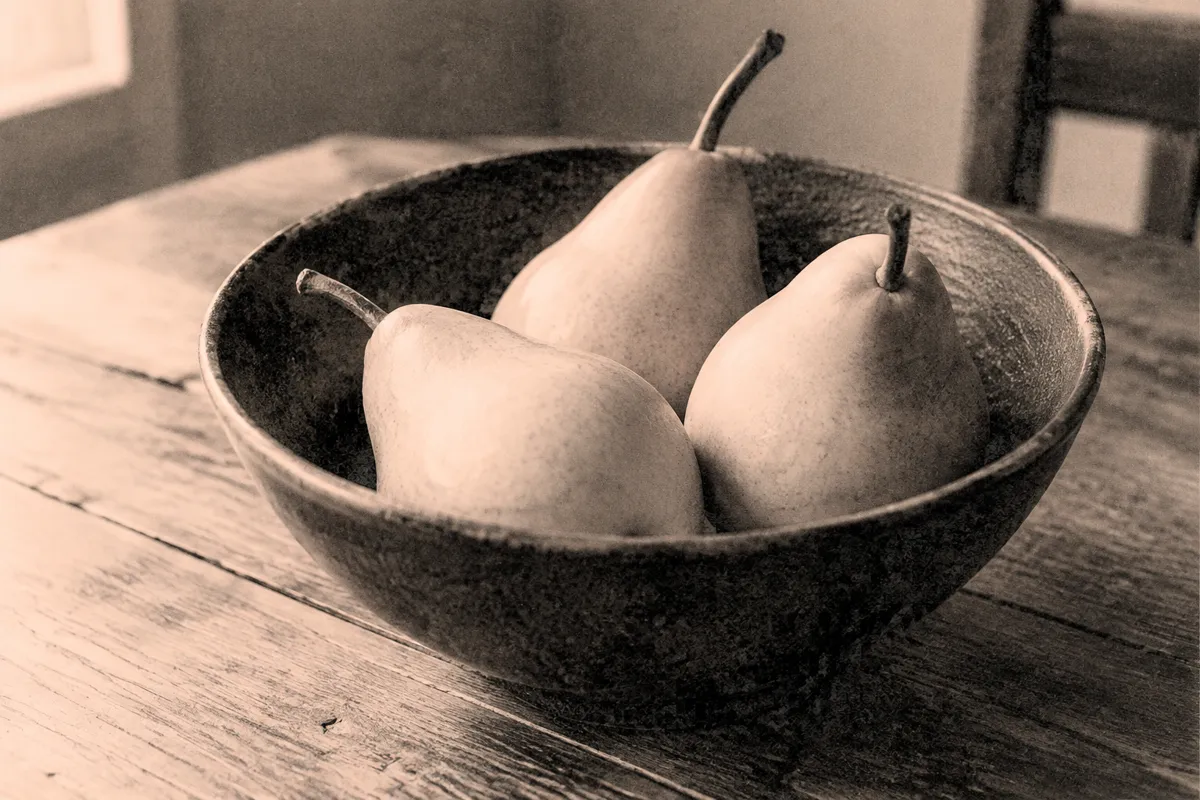
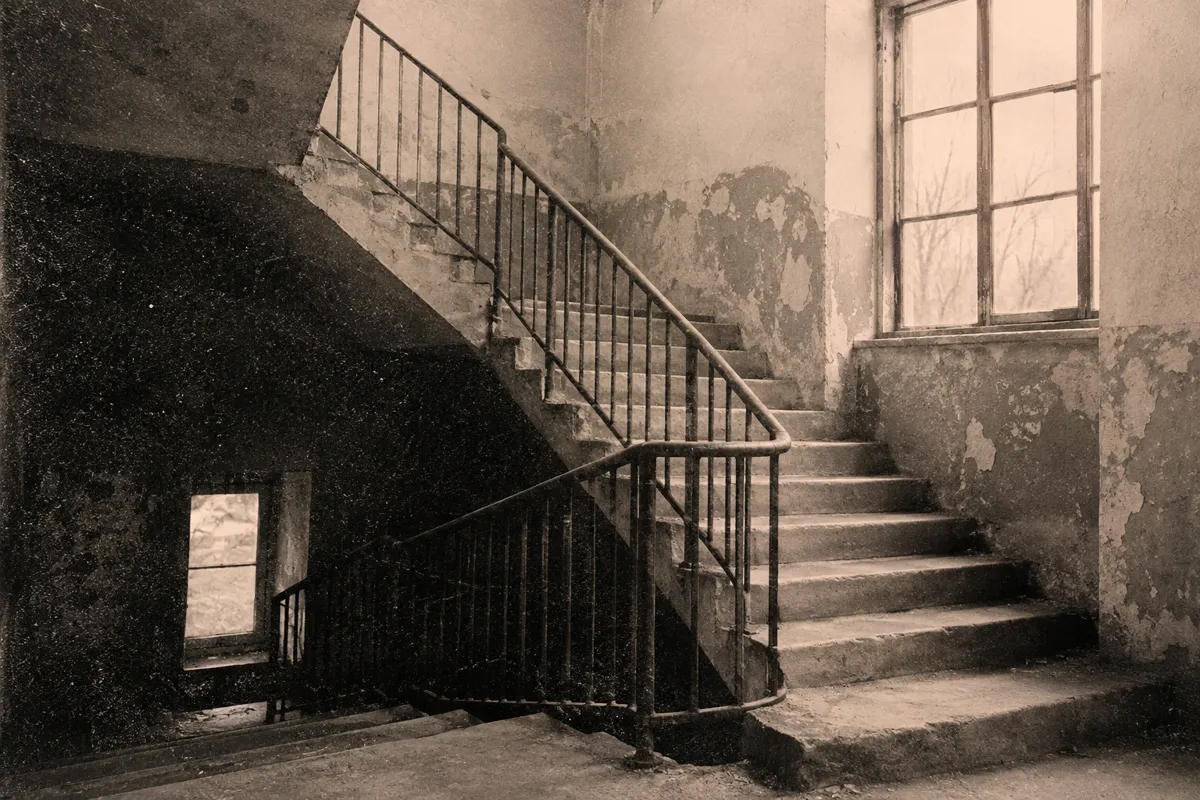
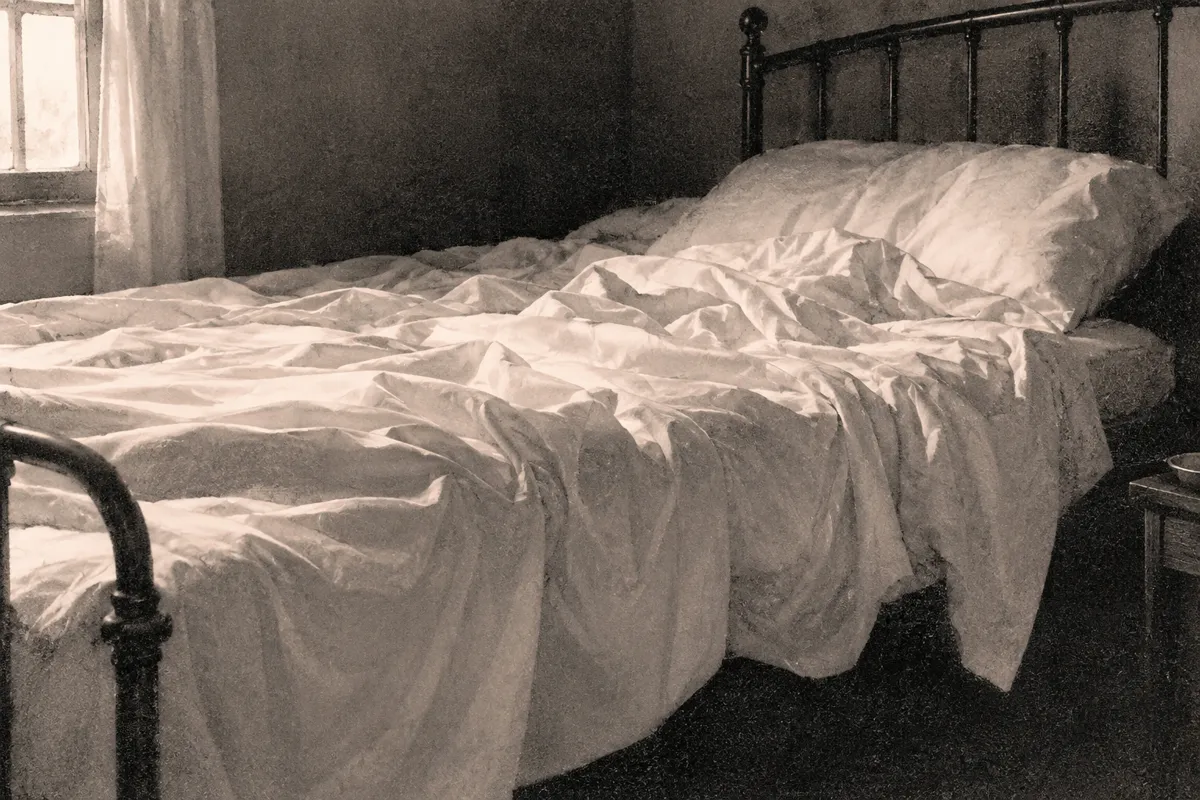
Apply a Lith Printing effect with warm peach, dusty pink, and creamy highlights contrasting against deep brown-black shadows. Render light areas smooth and delicate, but fill darker regions with irregular peppery grain and gritty, rapidly building tonal density. Preserve photographic surface detail. Keep the original subject and composition.
Identify
You see gritty, peppery grain in the dark shadows. The lighter areas look smooth, featuring warm tones like peach or pink.
Principle
Photographers overexpose1 standard black-and-white paper, then develop it slowly in diluted lithographic chemicals. This triggers an explosive, localized reaction in the darkest areas.
Example
Anton Corbijn: Miles Davis portrait, 1989.
Try it out
Look at a vintage music portrait from the late 1980s. Compare the gritty black shadows to the smooth, softly tinted faces.
Background
Lith printing relies on infectious development2, a unique chemical process. Originally, printers used lithographic developers to create pure black-and-white text graphics. In the late twentieth century, artists used these highly diluted chemicals on standard photographic paper. Artists learned to heavily overexpose the paper under the enlarger3. As the print developed, dark shadows suddenly accelerated, creating harsh, peppery grain. Meanwhile, the bright highlights developed very slowly. This difference created smooth, warm tones and coarse, dark tones. Photographers had to quickly snatch the print from the chemical bath.
Distinction
Unlike sepia toning, lith printing does not color the entire image uniformly. It creates contrasting dual tones and coarse grain during actual development.
Aftermath
It reveals how manipulating standard chemical processes can yield entirely new, expressive aesthetics.
Further examples · 7 images



Question
Why do the highlights in a lith print look warm?
Show possible answer +Hide answer −
The diluted developer acts very slowly in the light areas. This slow action produces tiny silver particles that scatter light and appear warm.