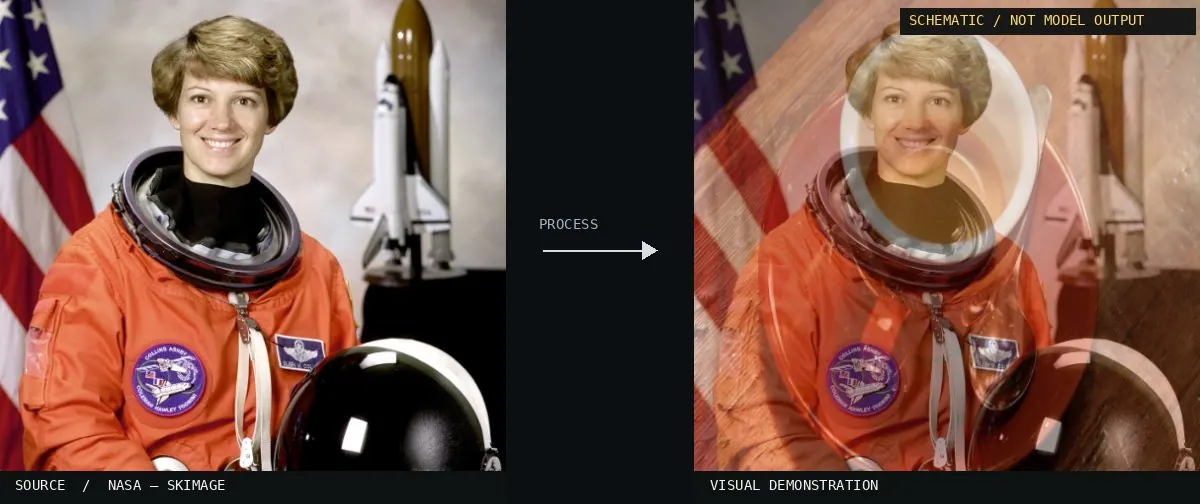
Schematic or classical approach — not a trained AI model output.Image: NASA / Eileen Collins · scikit-image (public domain)View source ↗
Prompt
Apply an Image Prompt Adapter treatment, using the uploaded photograph as both appearance reference and structural guide. Harmonize its existing palette into cohesive colors, refine matching surface textures, and preserve contour placement, perspective, and lighting relationships. Produce a subtly restyled image without added panels or objects. Keep the original subject and composition.
[Separate style references from structure references].
Classification
Schematic visualization, not neural inference.
Further examples · 7 images
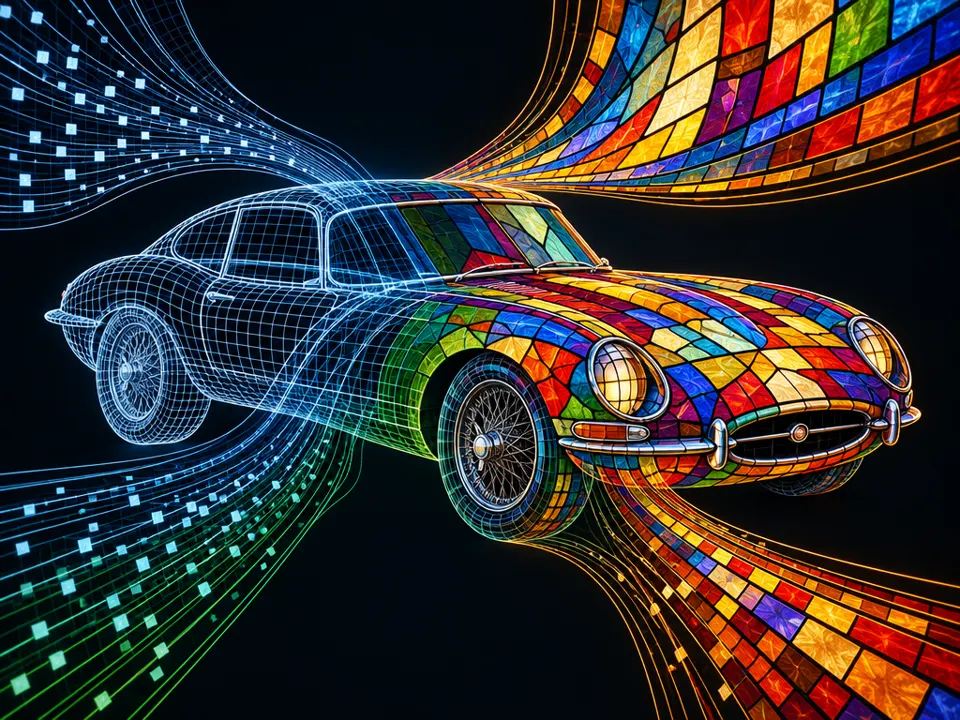
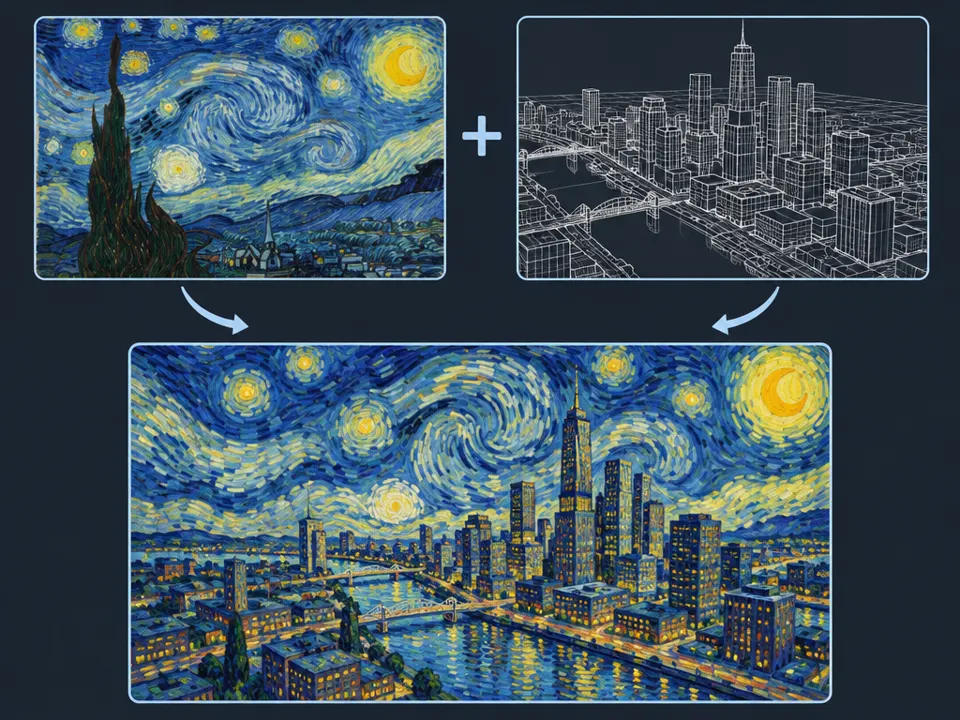
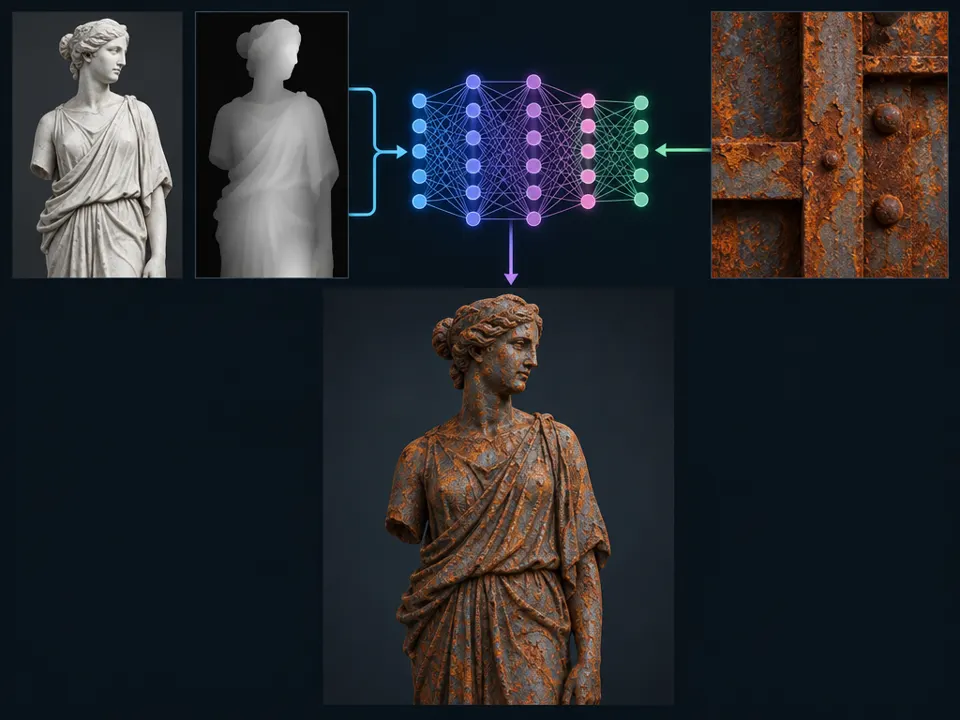
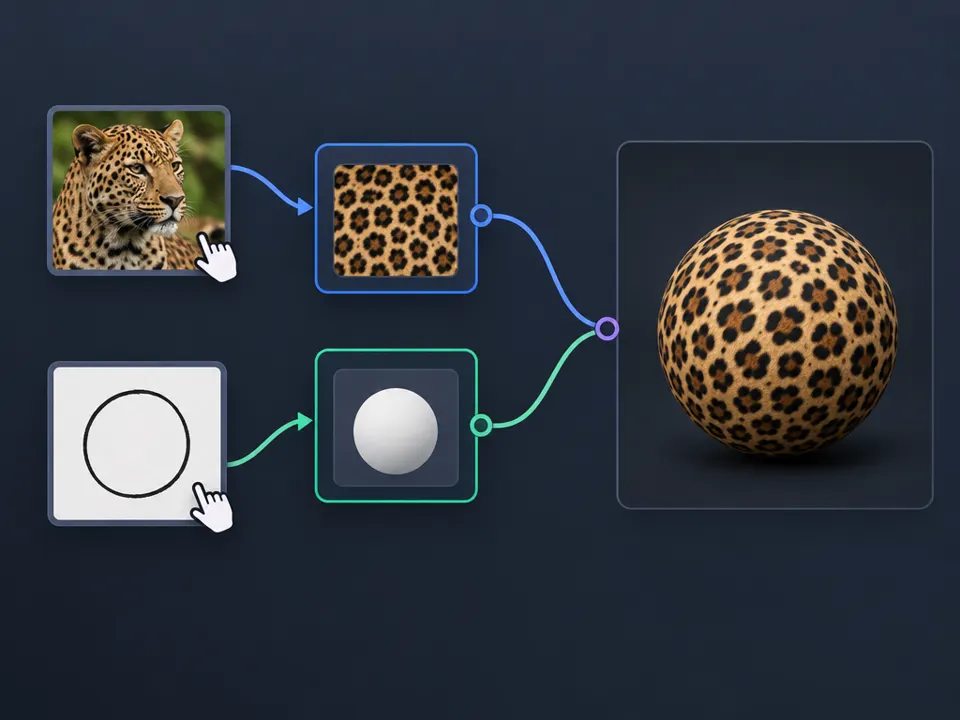
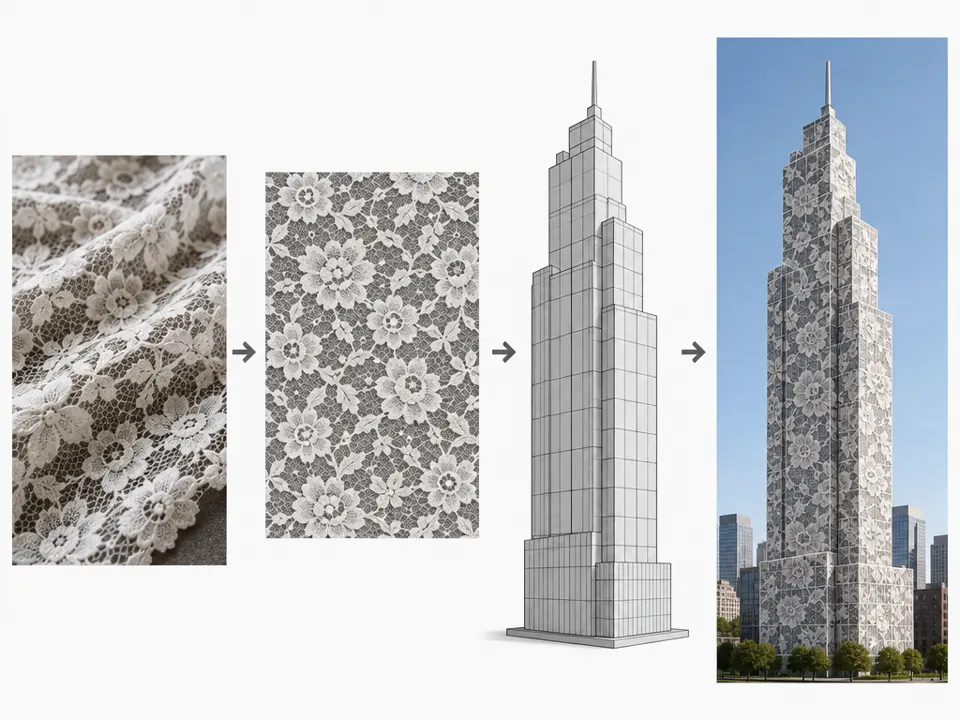
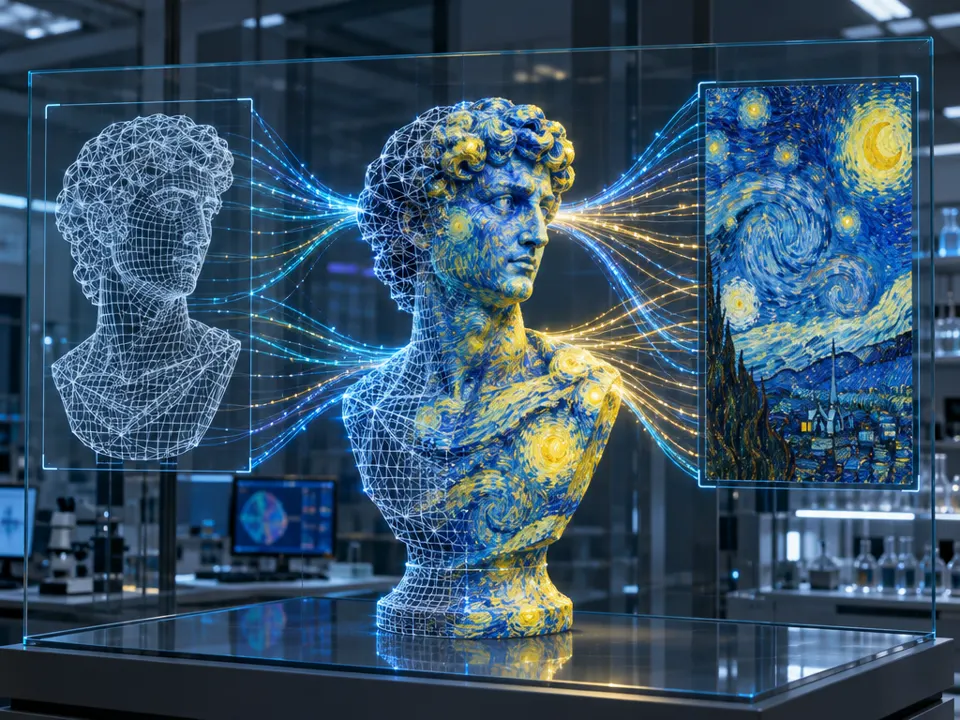
02AI illustration: A wireframe car and stained-glass patterns merge into a single outputA wireframe car and stained-glass patterns merge into a single output. It schematically represents the combination of a structure map and an image prompt style reference.Illustration generated for the Atlas (AI)03AI illustration: A painting provides style features and a wireframe provides structureA painting provides style features and a wireframe provides structure. The final image combines these distinct conditioning inputs into a unified skyline.Illustration generated for the Atlas (AI)04AI illustration: A depth map provides structure and a rust texture provides the image promA depth map provides structure and a rust texture provides the image prompt. The schematic shows these feeding into a neural network to produce a textured statue.Illustration generated for the Atlas (AI)05AI illustration: A leopard pattern and a sphere outline are shown as separate input nodesA leopard pattern and a sphere outline are shown as separate input nodes. The resulting image combines the pattern style onto the spherical structure.Illustration generated for the Atlas (AI)06AI illustration: The diagram displays a lace texture and a skyscraper wireframe as separatThe diagram displays a lace texture and a skyscraper wireframe as separate inputs. These elements are combined to generate a building with the lace pattern applied to its surface.Illustration generated for the Atlas (AI)07AI illustration: A wireframe structure and a painting are shown as separate inputs feedingA wireframe structure and a painting are shown as separate inputs feeding into a central object. This schematically illustrates the transmission of independent structure maps and style features as conditioning for the final output.Illustration generated for the Atlas (AI)