H 268 / 3212000s

Image-Based Lighting

1999, Paul Debevec's film "Fiat Lux"
Typeface · Kanit

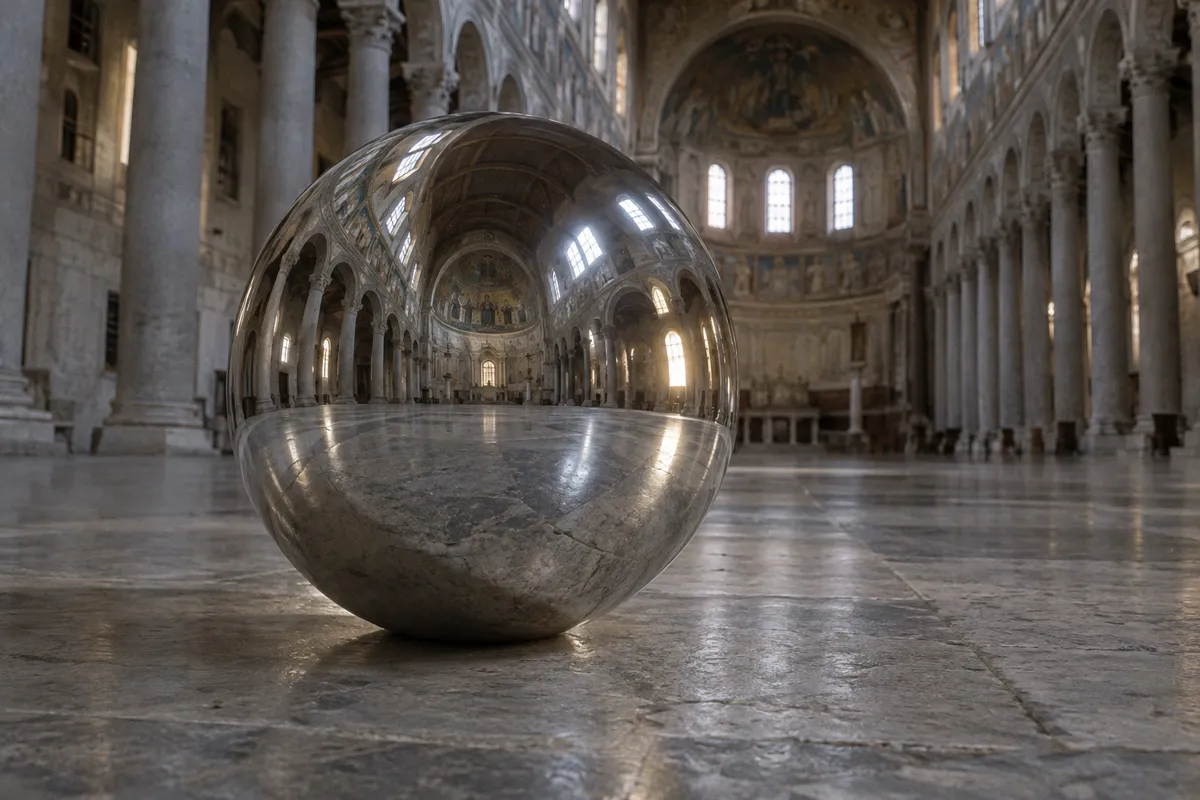
AI illustration: Reflective chrome light probe in a cathedral interior.
AI illustration: Reflective chrome light probe in a cathedral interior.Illustration generated for the Atlas (AI)View source ↗

Prompt

Apply Image-Based Lighting so the subject appears illuminated by its actual surroundings. Match directional highlights, broad soft shadows, colored environmental bounce, and reflections of visible scene elements. Differentiate glossy, rough, and matte materials through appropriate reflection sharpness, maintaining realistic exposure and grounded contact shadows. Keep the original subject and composition.

Identify

You see computer-generated 3D objects that look remarkably real because they reflect their exact surroundings. The virtual shadows and highlights perfectly match the lighting of the real-world background.

Principle

A 360-degree photograph captures all incoming light in a real location. Software uses this high dynamic range image1 as a giant spherical light source2 to illuminate virtual models.

Example

Paul Debevec: Fiat Lux, 1999.

Try it out

Hold a shiny metal ball bearing outdoors and observe how it catches the entire sky and ground. Notice how the sun creates a blindingly bright spot compared to the clouds.

Background

Image-based lighting revolutionized visual effects in the early 2000s. Before this, artists manually placed hundreds of virtual lamps to mimic real sunlight. Paul Debevec popularized a new method using a mirrored chrome ball. By photographing the ball at different exposures3, he captured all real-world light data. This created a high dynamic range image, or HDRI. Software then wraps this HDRI around a virtual scene like a glowing dome. Every pixel in the photograph acts as a tiny spotlight. This ensures virtual objects cast realistic shadows and reflect their environment flawlessly. It seamlessly blends fake objects into real footage.

Distinction

Unlike simple environment mapping which only mimics reflections on shiny surfaces, IBL actually uses the image pixels to calculate realistic light and shadows. Standard 3D lighting relies on artificial point lamps instead of photographic data.

Aftermath

It proved that capturing actual real-world light data is far more convincing than trying to recreate it manually.

Further examples · 7 images
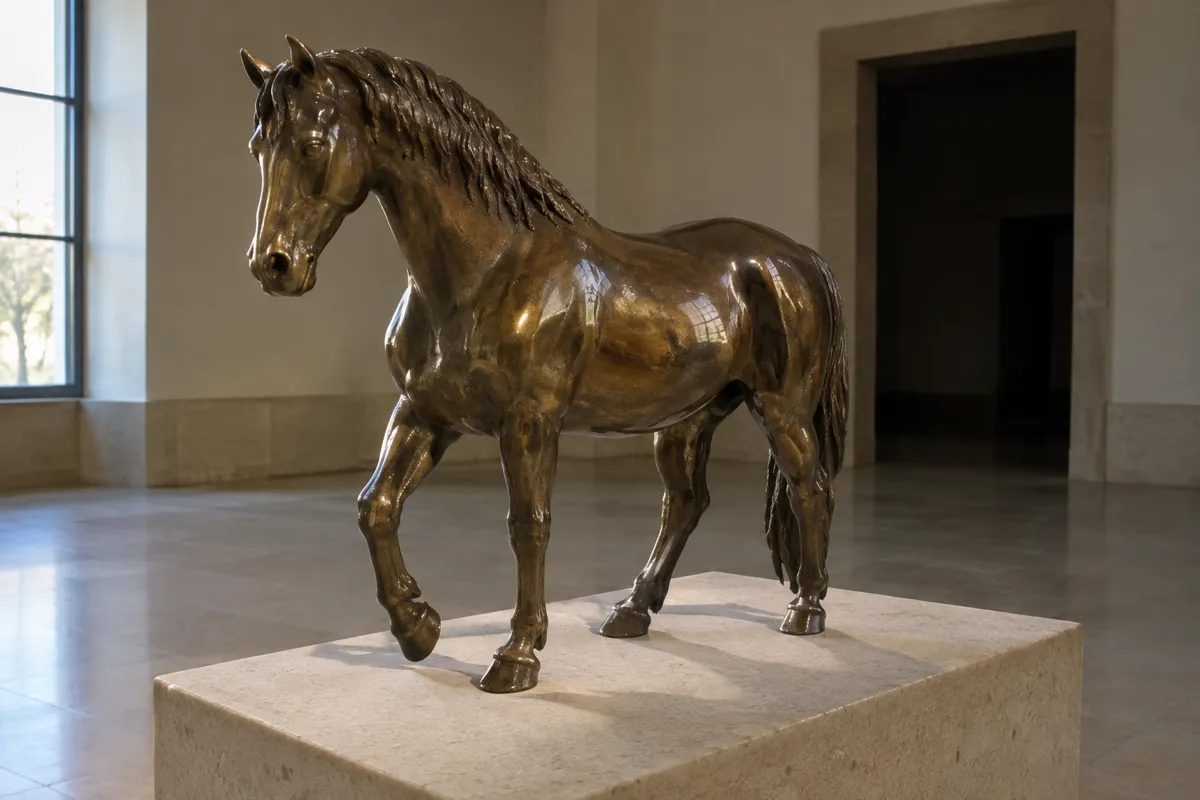
AI illustration: Metallic horse sculpture with window environment reflections
02 AI illustration: Metallic horse sculpture with window environment reflectionsA bronze horse statue features complex highlights and reflections of a studio window on its metallic surface. The rendering shows a seamless integration between the virtual object's material properties and its environment's light data.Illustration generated for the Atlas (AI)
AI illustration: Mirrored cubes reflecting brick architecture in a courtyard
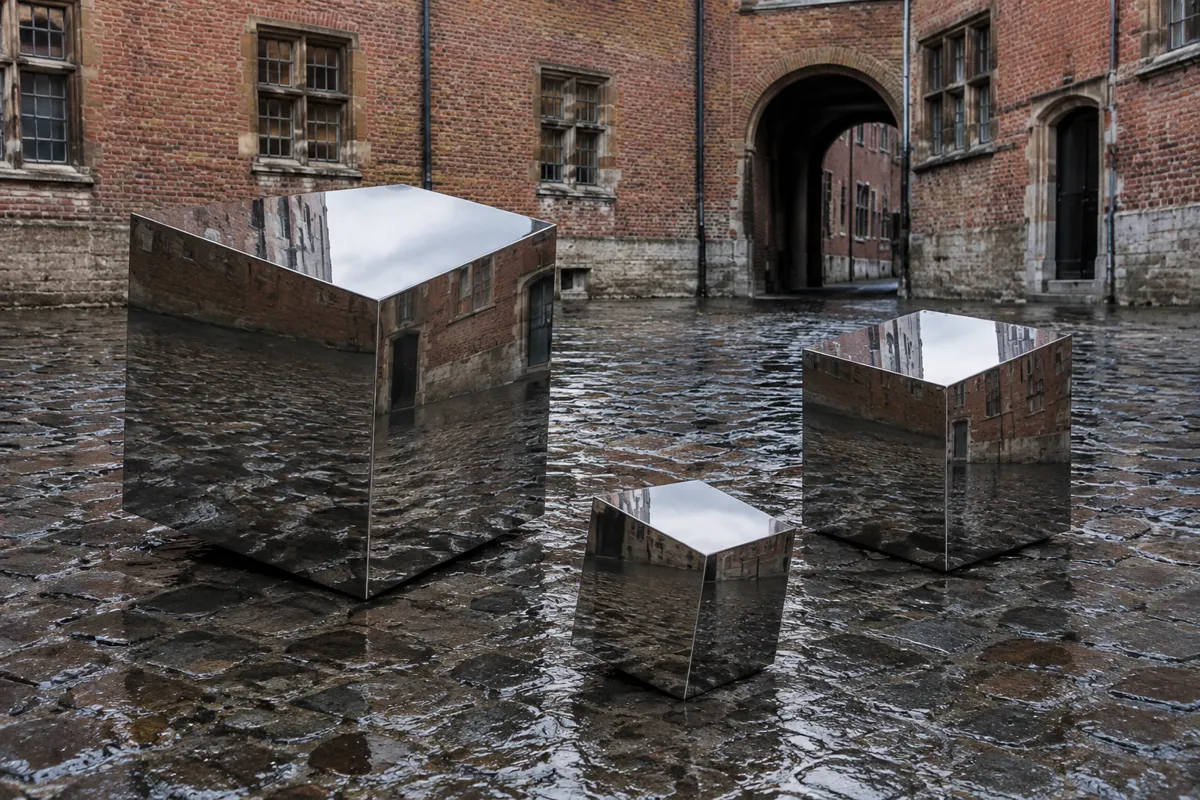
03 AI illustration: Mirrored cubes reflecting brick architecture in a courtyardThree mirrored cubes are placed in a cobblestone courtyard, reflecting the surrounding brick architecture with sharp accuracy. The light and shadows on the ground planes align perfectly with the high dynamic range environment used for the render.Illustration generated for the Atlas (AI)
AI illustration: Ceramic kitchenware with soft window light reflections
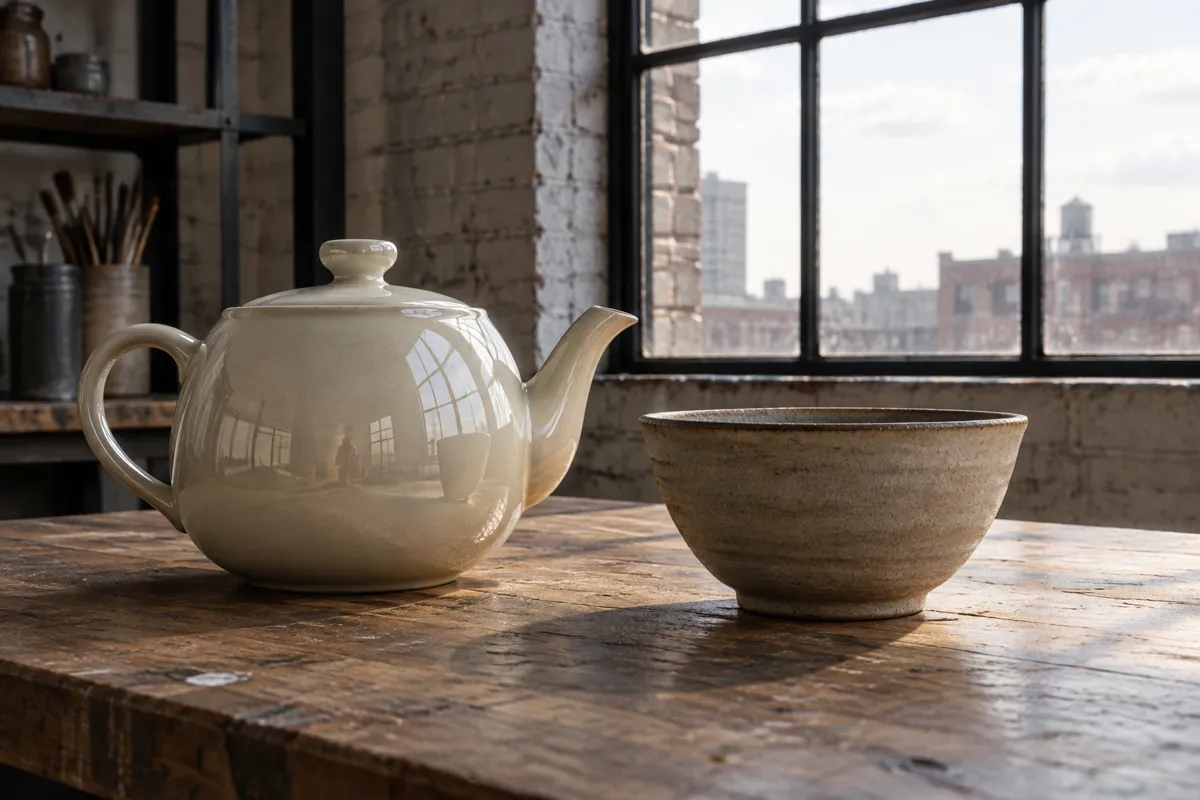
04 AI illustration: Ceramic kitchenware with soft window light reflectionsA ceramic teapot and bowl display soft specular highlights that correspond to the large window in the background. This illustrates how image-based data influences the diffuse and glossy shading of non-metallic virtual objects.Illustration generated for the Atlas (AI)
AI illustration: Golden torus reflecting cathedral architecture and lighting
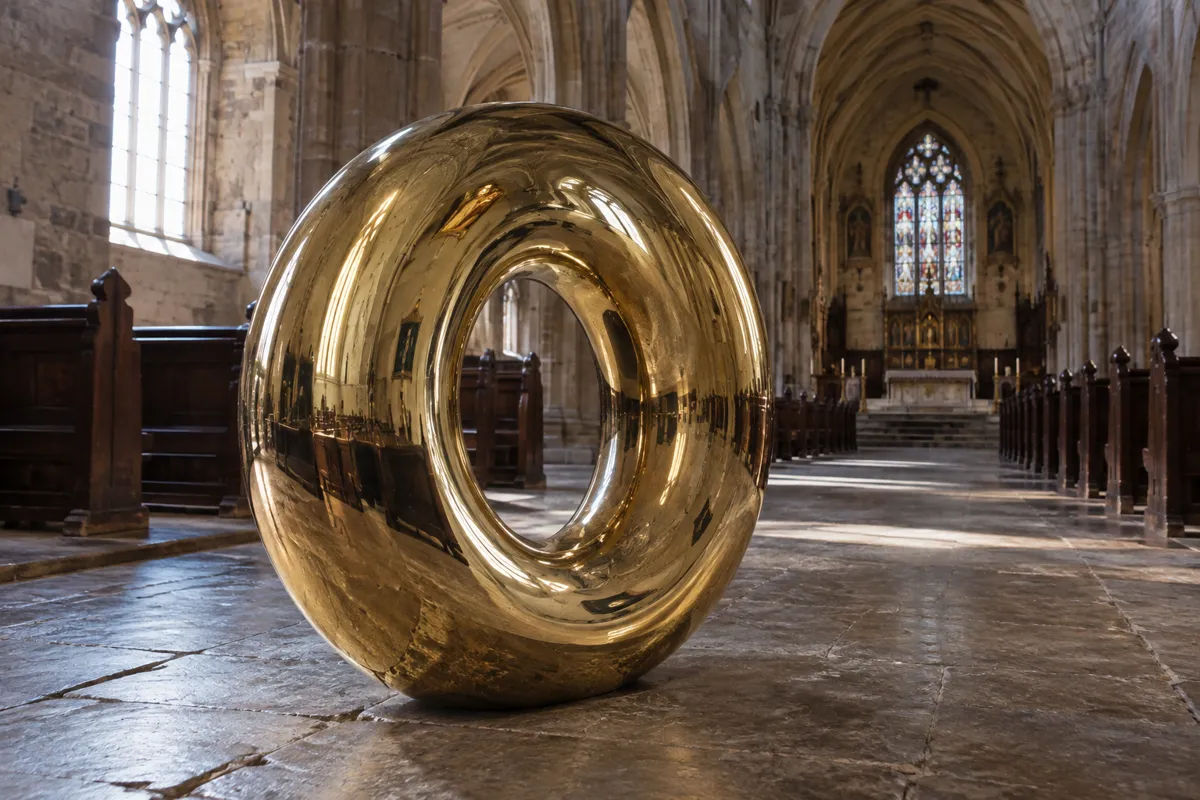
05 AI illustration: Golden torus reflecting cathedral architecture and lightingA golden torus reflects the gothic arches and stained glass of a church interior across its curved surface. The technique allows the virtual gold material to react realistically to the complex light sources of the real-world photograph.Illustration generated for the Atlas (AI)
AI illustration: Polished chrome jet model reflecting outdoor greenery
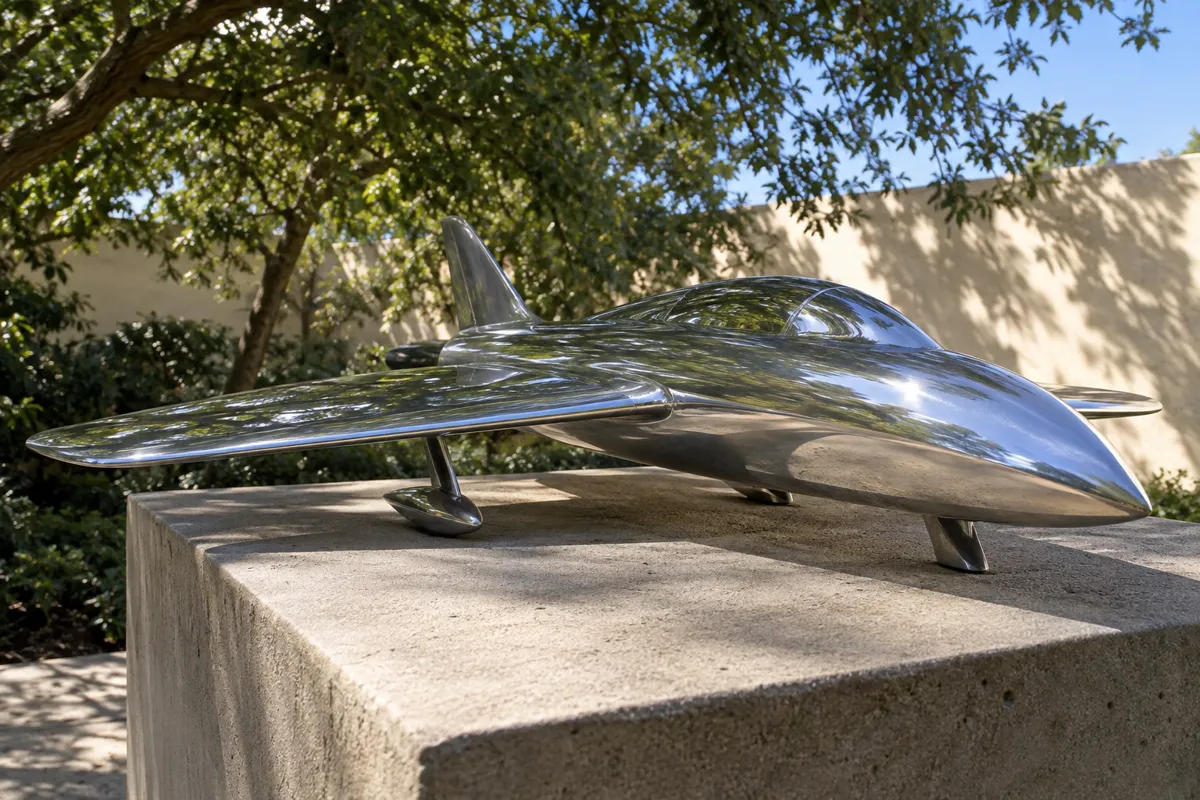
06 AI illustration: Polished chrome jet model reflecting outdoor greeneryA polished chrome model of a jet reflects the green canopy of trees and a bright sky from an outdoor environment. The interaction of sunlight and shadow on the model's curves confirms the use of an environmental light map.Illustration generated for the Atlas (AI)
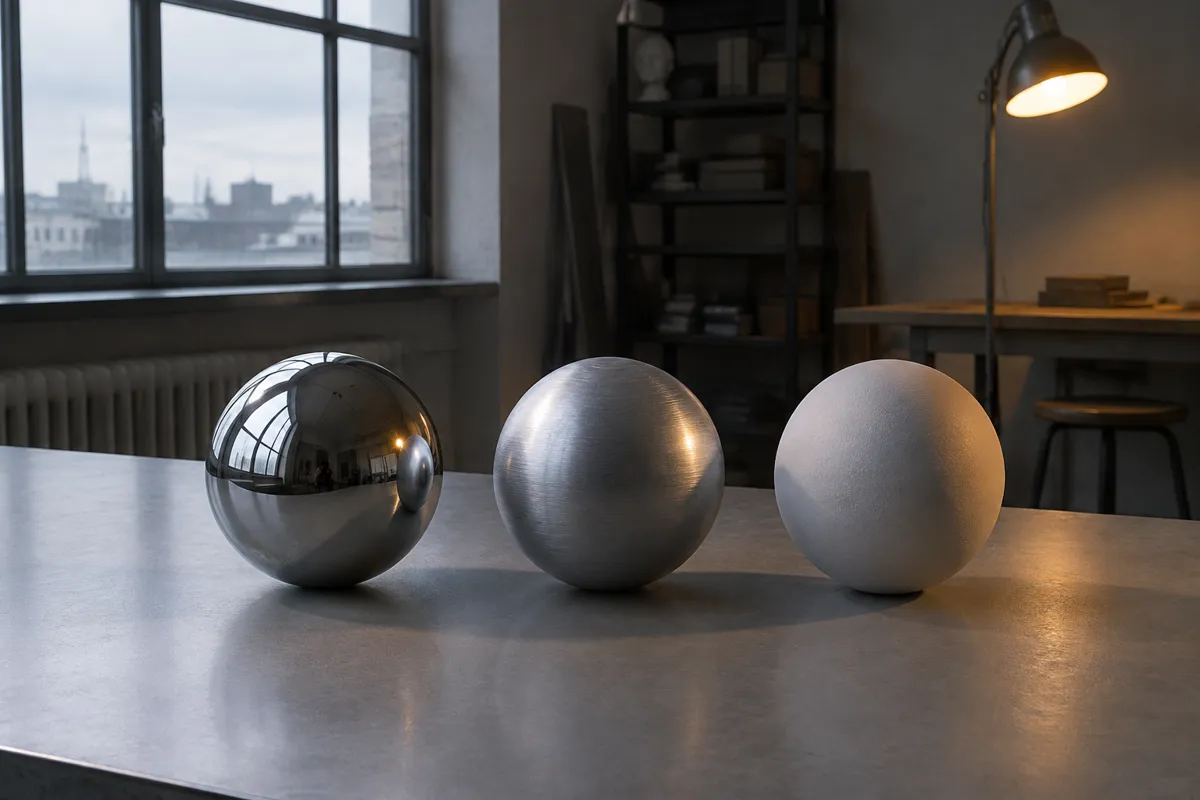
AI illustration: Material study spheres under consistent image-based lighting
07 AI illustration: Material study spheres under consistent image-based lightingThree spheres with different material properties—chrome, brushed metal, and matte—are lit by a single workshop environment. This comparison shows how the same image-based lighting data affects various surface textures differently.Illustration generated for the Atlas (AI)

Question

Why do visual effects artists photograph the chrome ball at multiple different exposures?

Show possible answer +

A single photo cannot capture both the blinding sun and dark shadows simultaneously. Combining multiple exposures creates one image containing the full range of real-world light.

Sources