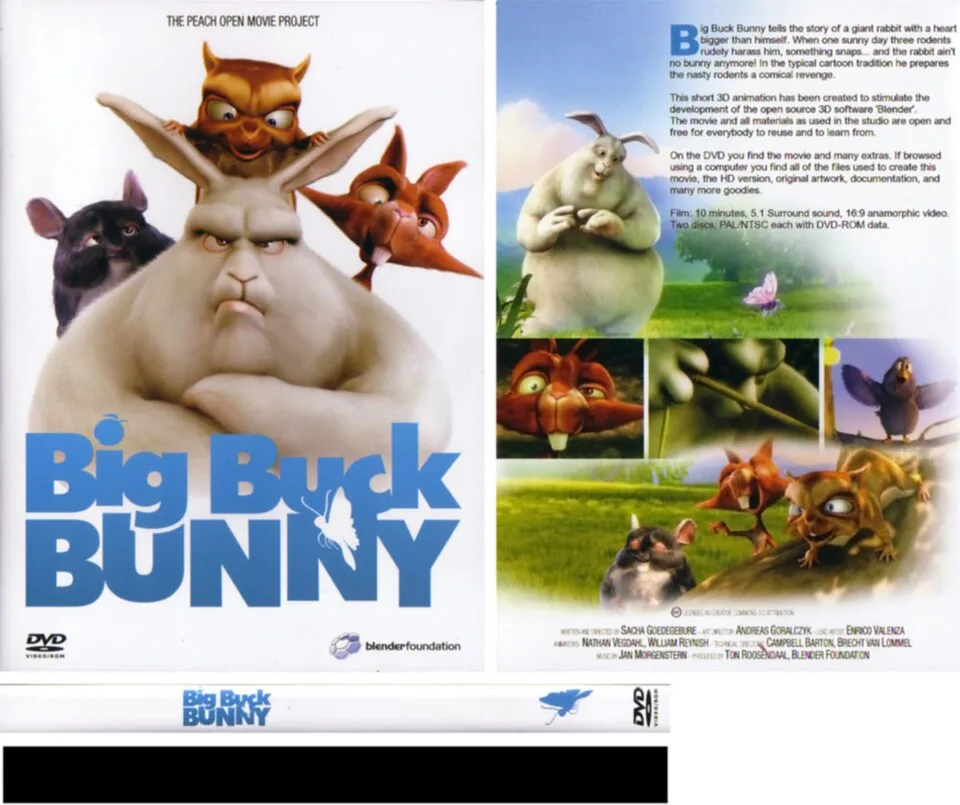
Big Buck Bunny Character Fur. A Big Buck Bunny DVD cover presents a large rabbit and smaller animal characters with visibly soft, strand-textured coats.Film: Blender Foundation | www.bigbuckbunny.orgScreenshot: User:Toni Grappa · CC BY 3.0 · via Wikimedia CommonsView source ↗
Prompt
Apply Fur Simulation by covering the subject’s surfaces with dense, fine strands following its underlying contours. Use varied strand lengths, natural clumping, soft root shadows, directional sheen, and scattered flyaway hairs along the silhouette. Preserve recognizable markings through corresponding fur colors and subtle wind-swept bends. Keep the original subject and composition.
You see [realistic computer-generated hair]or fur that moves naturally on adigital character. The hair catches light, [casts soft shadows], and clumps together realistically.
Principle
Special software treats each hair as a[flexible line of connected points]. Aphysics engine1calculates how these points move with wind or motion.
Example
Pixar Animation Studios: Monsters, Inc., 2001.
Try it out
Look closely at adigital furry creature in amodern movie. Watch how the fur parts and reacts when the creature moves or shakes.
Background
Before the 2000s, computer-generated characters had smooth, plastic-like skin. Animating millions of individual hairs was too computationally expensive. Early attempts used flat textures that merely looked like fur. Then, studios developed new physics programs to handle complex hair dynamics. These systems grouped hairs into clumps guided by afew master strands. This saved computing power while keeping realistic movement. Rendering engines2also improved, calculating how light scatters through dense fur. Pixar's Monsters, Inc. became amajor milestone. They created acustom program to simulate millions of hairs reacting to gravity.
Distinction
Fur simulation calculates individual moving strands using physics. This differs from texture mapping, which simply paints aflat image of fur onto asmooth surface.
Aftermath
It shows how managing massive data allowed computers to mimic the complex, organic chaos of nature.
Further examples · 7 images
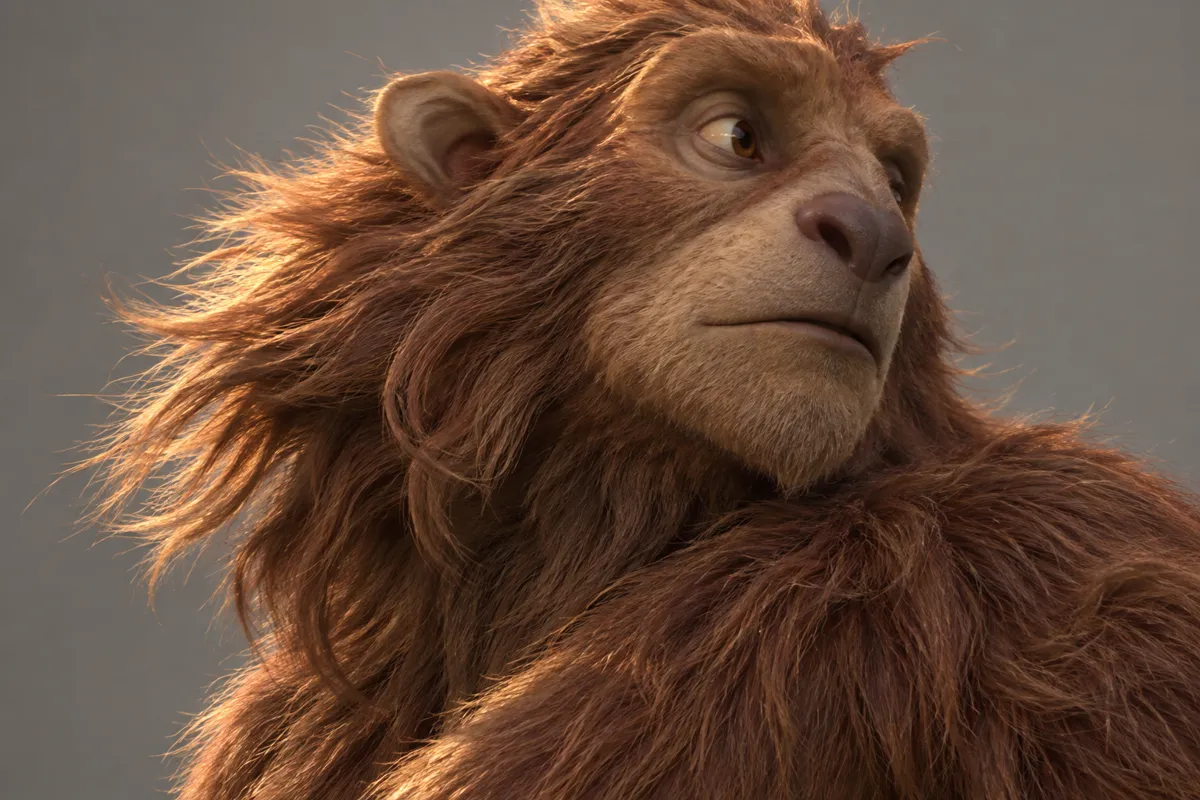
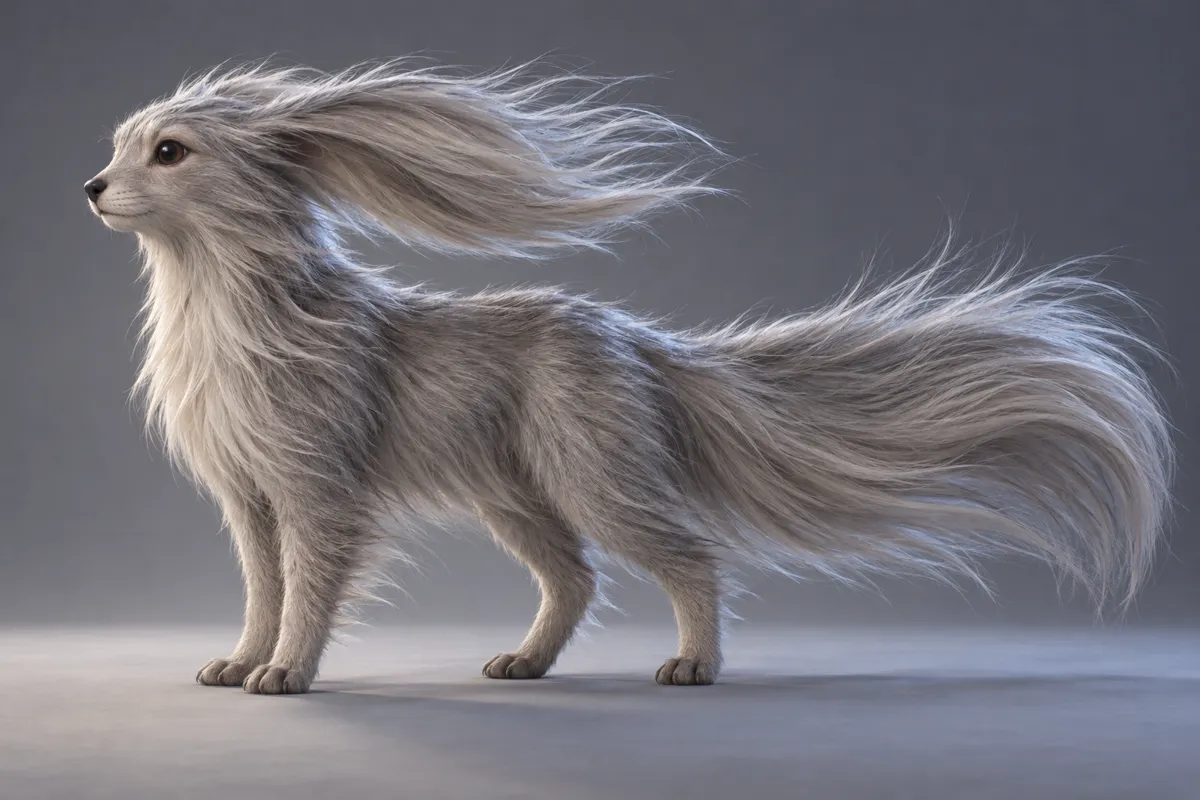
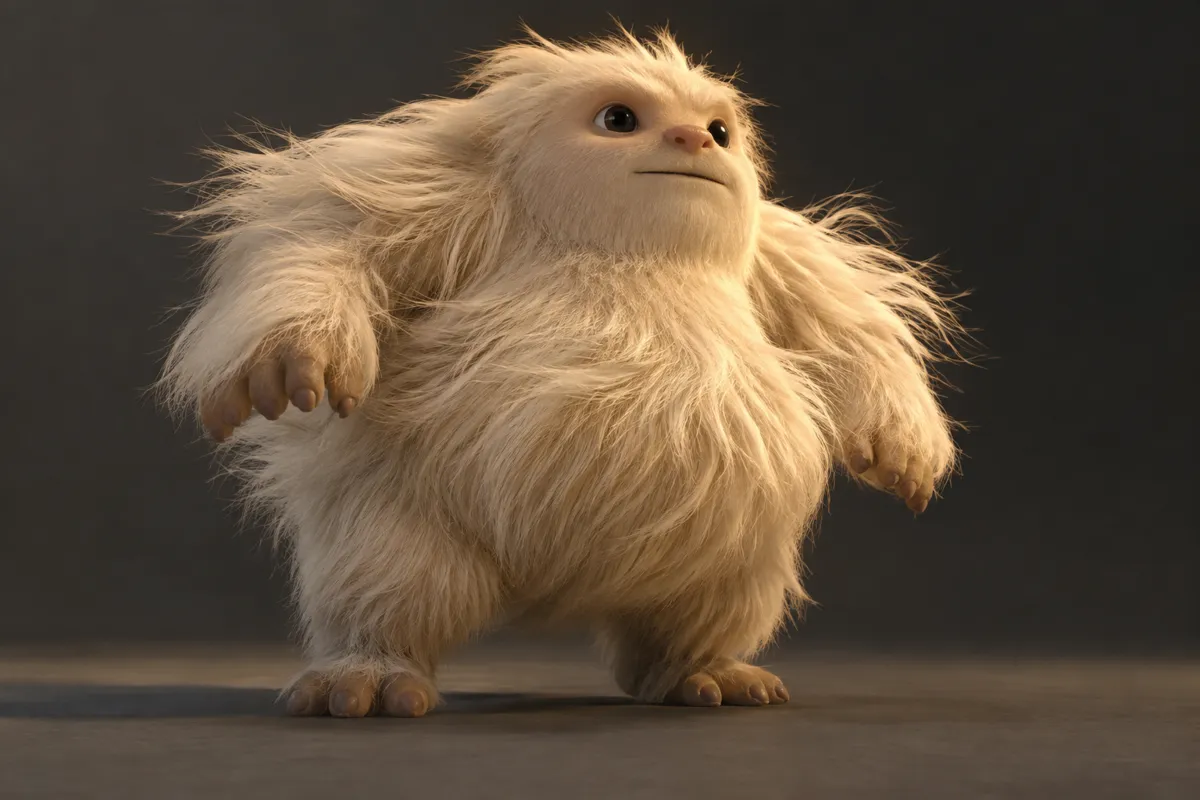
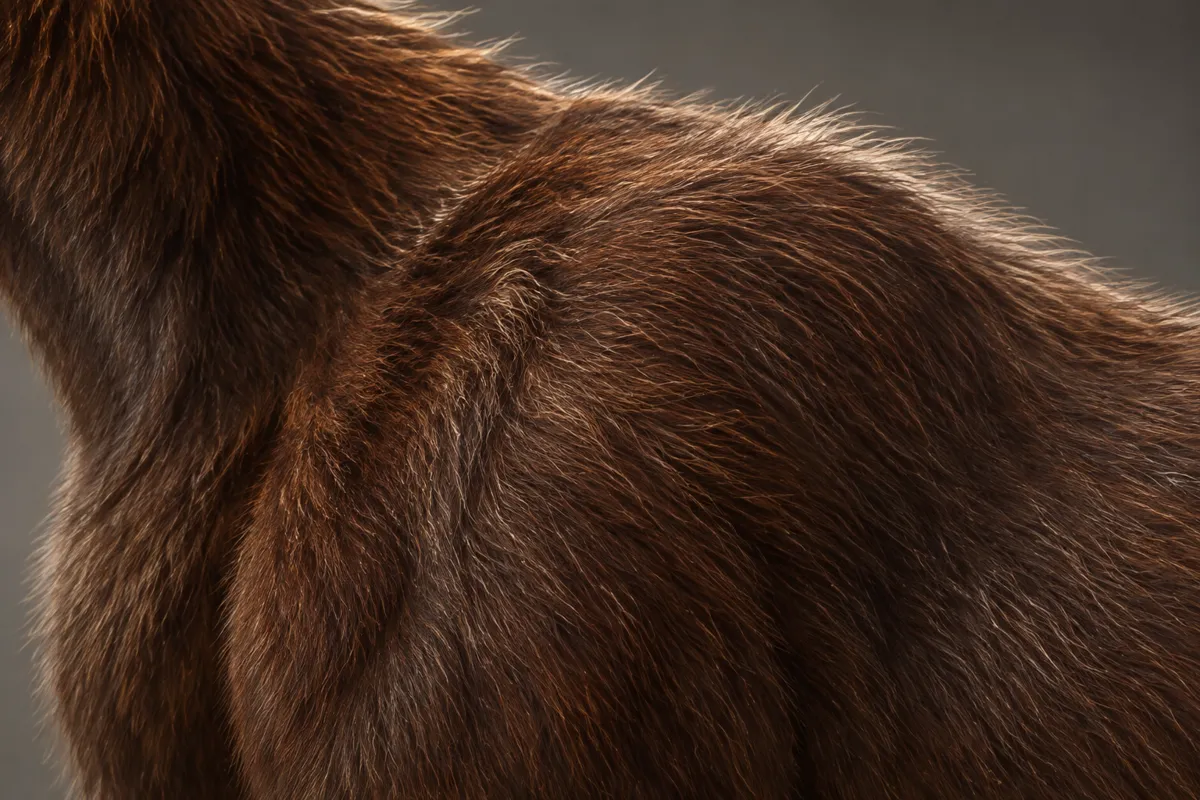
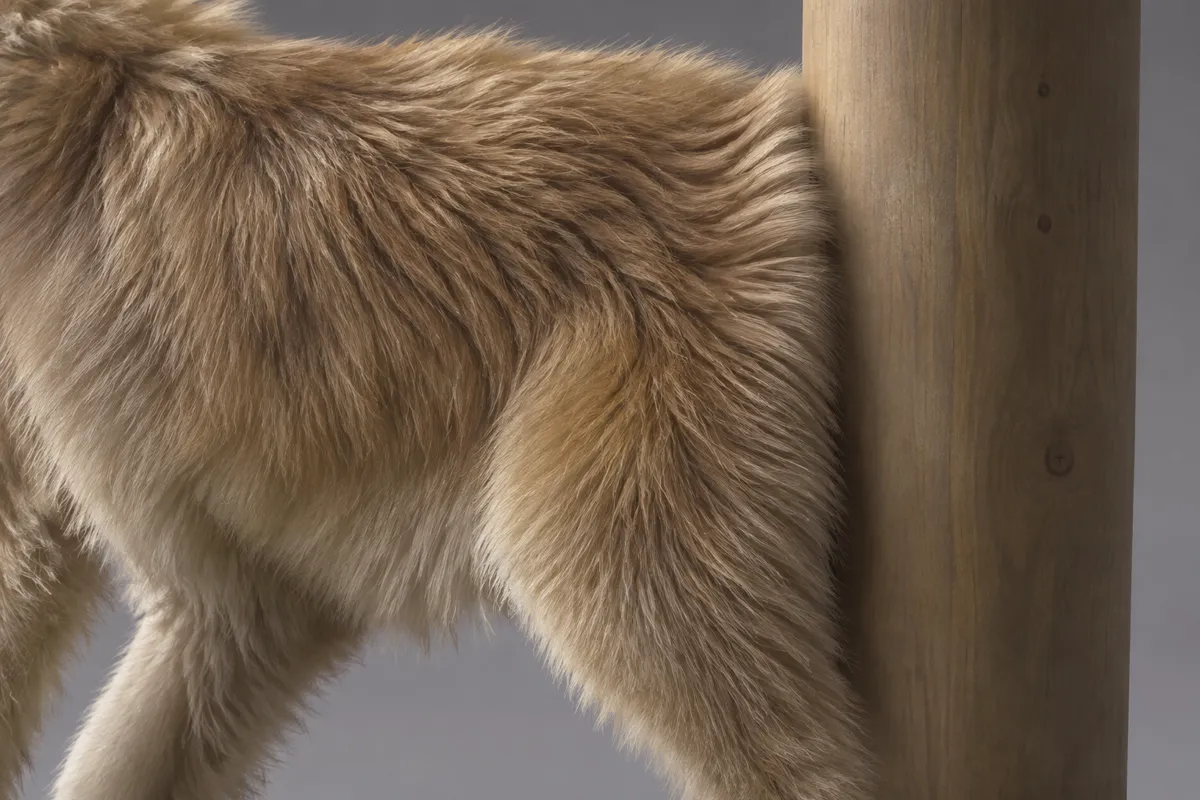
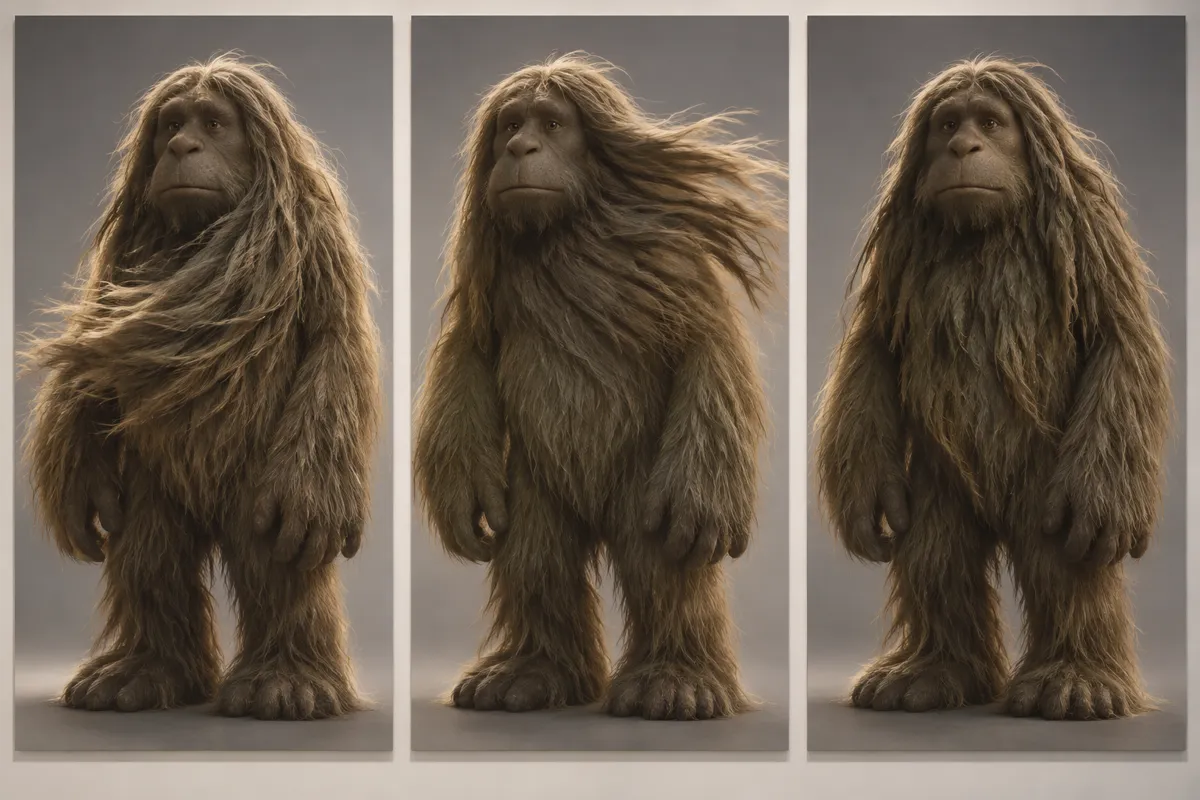
02AI illustration: Backlit strands in a digital primate character groomAn anthropomorphic primate character features backlit strands of hair that glow and clump realistically around the face. This demonstrates the sophisticated light-scattering and shadowing capabilities inherent in modern digital grooming software.Illustration generated for the Atlas (AI)03AI illustration: Dynamic wind simulation on long digital furA fox-like digital creature stands with long, flowing fur trailing behind it as if caught in a strong breeze. The image showcases how a physics engine calculates the movement of thousands of individual splines to mimic natural motion.Illustration generated for the Atlas (AI)04AI illustration: Realistic clumping on a dense fur simulationA small, rounded creature is covered in thick, off-white fur that displays varied clumping and soft directional flow. The rendering illustrates the complex interaction between light and dense digital hair fibers on a character mesh.Illustration generated for the Atlas (AI)05AI illustration: Macro detail of simulated brown animal furA close-up view of a brown digital pelt shows fine individual hairs and subtle color variations across the surface. This macro perspective highlights the high density and detail achievable through procedural hair generation techniques.Illustration generated for the Atlas (AI)06AI illustration: Physical collision interaction between fur and objectsThe flank of a simulated animal is shown interacting with a solid wooden post, causing the fur to compress and bend. This captures the collision detection aspect of fur systems where digital fibers react to environmental geometry.Illustration generated for the Atlas (AI)07AI illustration: Triptych of dynamic hair states in motionThree frames of a hairy humanoid character show the hair reacting differently to movement and environmental forces. This triptych serves as a comparison of different states in a dynamic physics-based hair simulation.Illustration generated for the Atlas (AI)
Question
Why do animators not animate every single hair by hand?
Show possible answer +Hide answer −
Afurry character can have millions of hairs. Hand-animating each one is impossible, so physics software automates the movement.