Rediscovered in the 2010s, for example with the CineStill 800T; the phenomenon is significantly older.
Typeface · Bodoni Moda
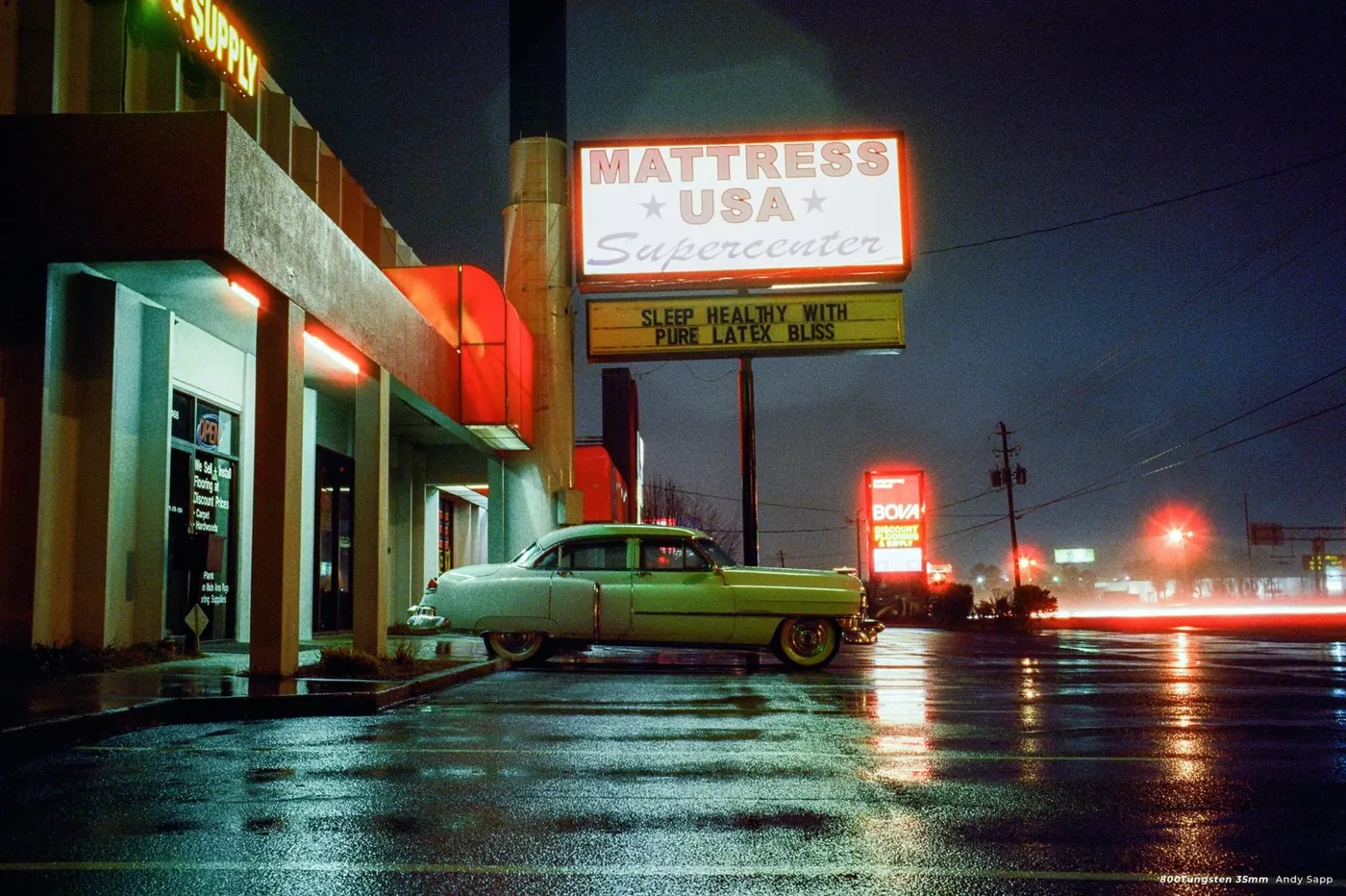
Andy Sapp: CineStill-800T example. Red halo around bright light sources.Andy Sapp / CineStill FilmView source ↗
Prompt
Apply Halation around bright light sources and strongly backlit edges, creating narrow red-orange fringes with softly diffused outward glow. Concentrate the effect where intense highlights meet darker areas, retaining crisp detail elsewhere. Add restrained fine film grain and avoid uniform bloom across the entire frame. Keep the original subject and composition.
Antihalation coatings are intended to reduce disruptive back reflections in photographic material. If they are not used or function differently, acharacteristic halo can appear around overexposed light sources. Since the 2010s, CineStill has associated this visible characteristic with apopular analog night look. This association describes the current revival; the technical phenomenon was already known in older black-and-white and specialty photography.
Distinction
Halation is not ageneral blurring effect, and not every halo is halation. Lens scattering and digital bloom effects can have asimilar appearance. Color and intensity depend on the specific film stock and exposure.
Aftermath
Alocal material defect can become atrademark.
Further examples · 7 images
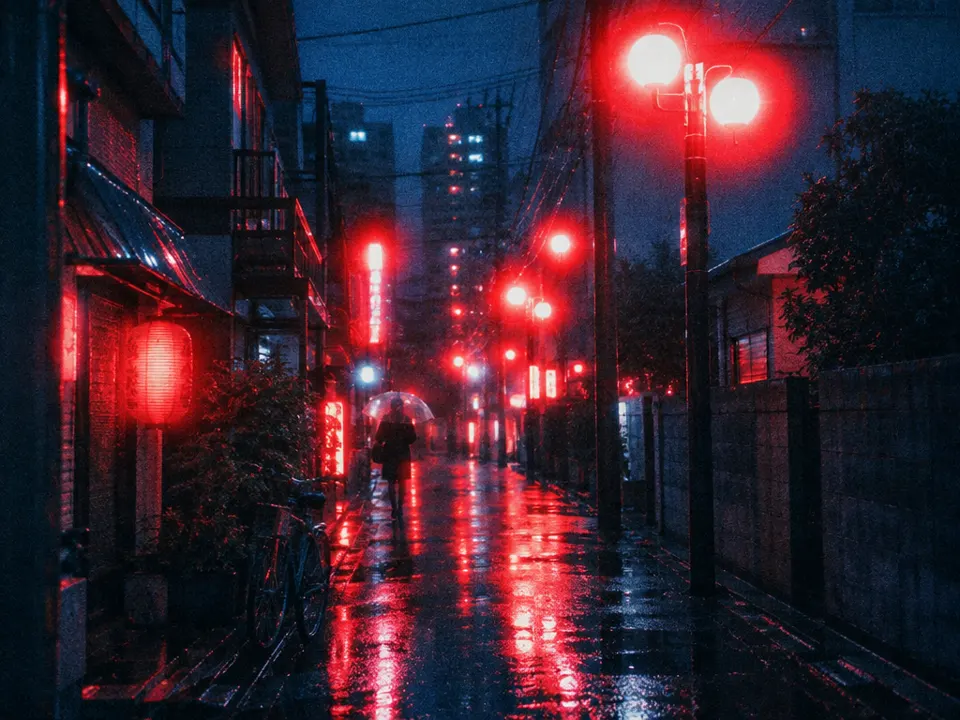
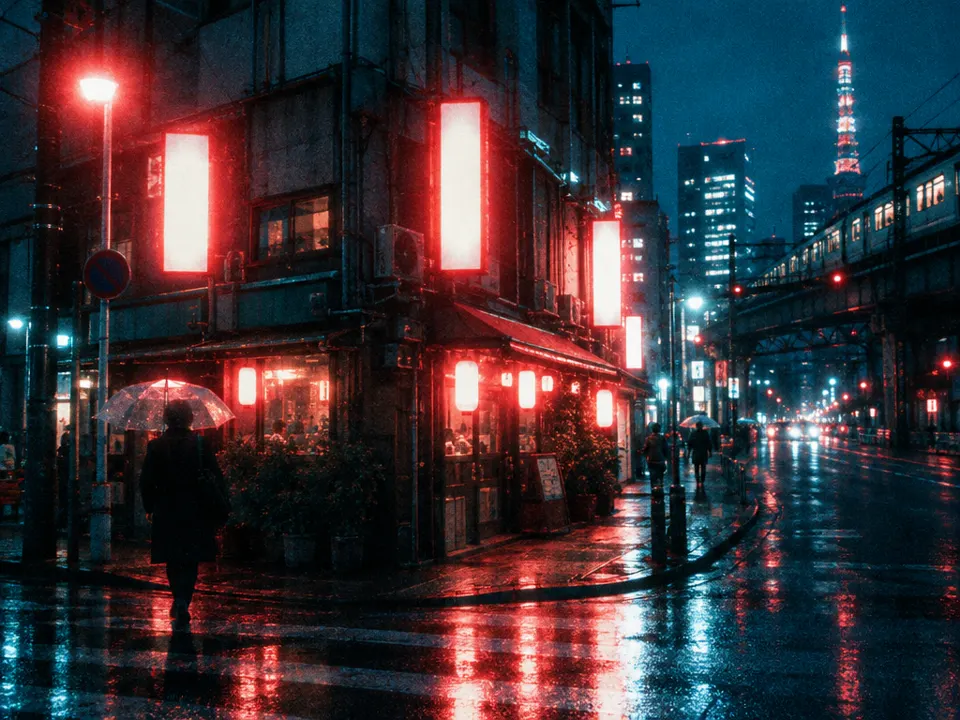
02Long Exposure at Night of a Road on Cinestill 800TBright streetlights and a neon sign exhibit distinct red fringes. This visual quality occurs when light reflects off the film base into the red-sensitive layer, a trait typical of CineStill 800T film stock.Arandomphotographer · CC BY 4.0 · Wikimedia Commons03Intrigue at the Terminal Market - Flickr - incidencematrixThe large neon sign displays a strong red glow bleeding into the surrounding dark architecture. This spreading of light from high-contrast highlights is the primary characteristic of the halation effect.incidencematrix · CC BY 2.0 · Wikimedia Commons04Halation-EffectThis diagram illustrates the cross-section of film layers and how light reflects off the back of the camera body. It explains the physical process behind the creation of the red halation effect.Tobias Deml / Prodigium Pictures · CC BY-SA 4.0 · Wikimedia Commons05Halation, applied to “Leg Rowing Fisherman Inle Lake Myanmar”A fisherman on a boat is framed by a net. The right half displays a distinct orange-red glow localized at the high-contrast edges of the net and the sun's reflection on the water.Benh LIEU SONG (Flickr) (photo); processed for the Atlas · CC BY-SA 4.0 · Wikimedia Commons06AI illustration: A night street scene shows street lamps and lanternsA night street scene shows street lamps and lanterns. The bright white light sources exhibit a distinct red glow and soft diffusion characteristic of light reflecting off the film base.Illustration generated for the Atlas (AI)07AI illustration: Bright red signs and streetlights exhibit distinct red glowing fringesBright red signs and streetlights exhibit distinct red glowing fringes. This illustrates the reflection of light back through the film base, a hallmark of the CineStill 800T aesthetic.Illustration generated for the Atlas (AI)
Question
Must a light source be blurry for haloing to occur?
Show possible answer +Hide answer −
No. The reflected halo can become visible precisely around focused, overexposed light sources.