Freeze Frame
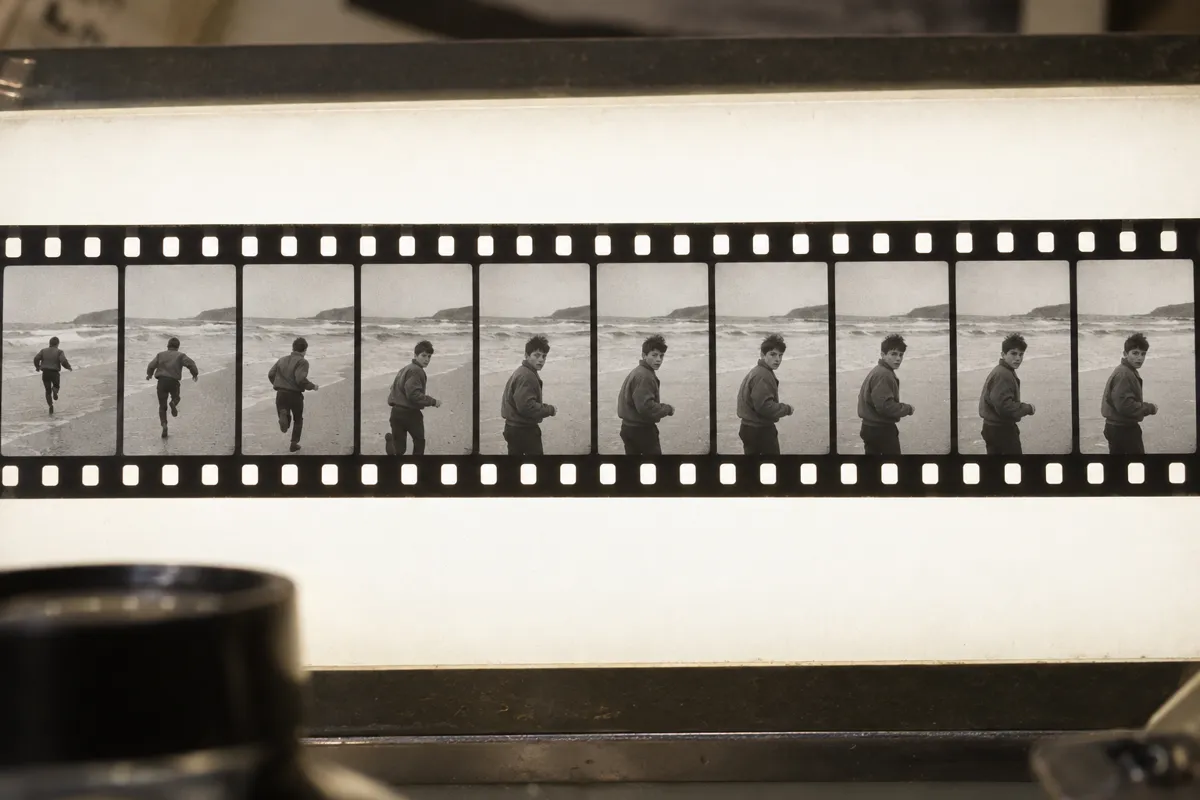
1959, ending of The 400 Blows
Prompt
Apply a Freeze Frame treatment resembling a single optically duplicated film frame: arrest every visible gesture, retain any existing exposure blur, and emphasize suspended action. Add slightly increased grain, mild contrast buildup, subtle print softness, and tiny dust flecks without motion trails. Keep the original subject and composition.
Identify
Moving film footage suddenly halts on a single, motionless image. The scene transforms instantly from dynamic motion into a still photograph.
Principle
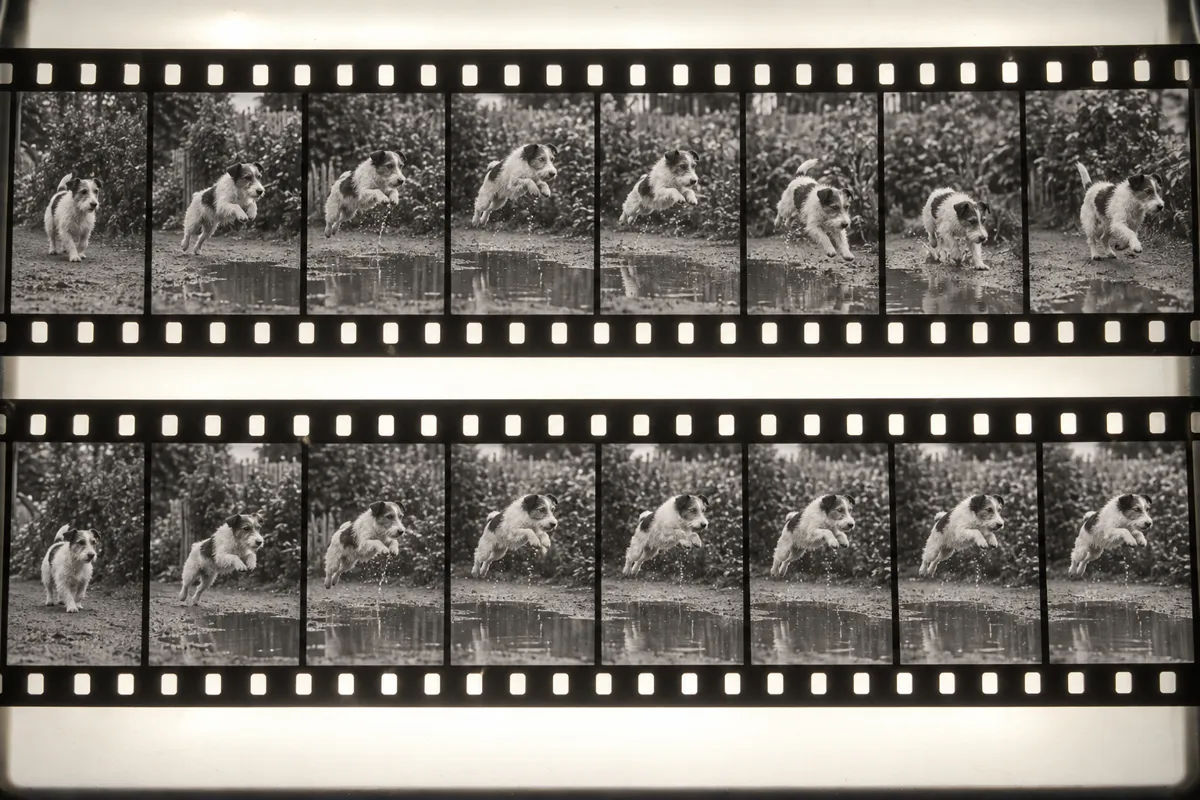
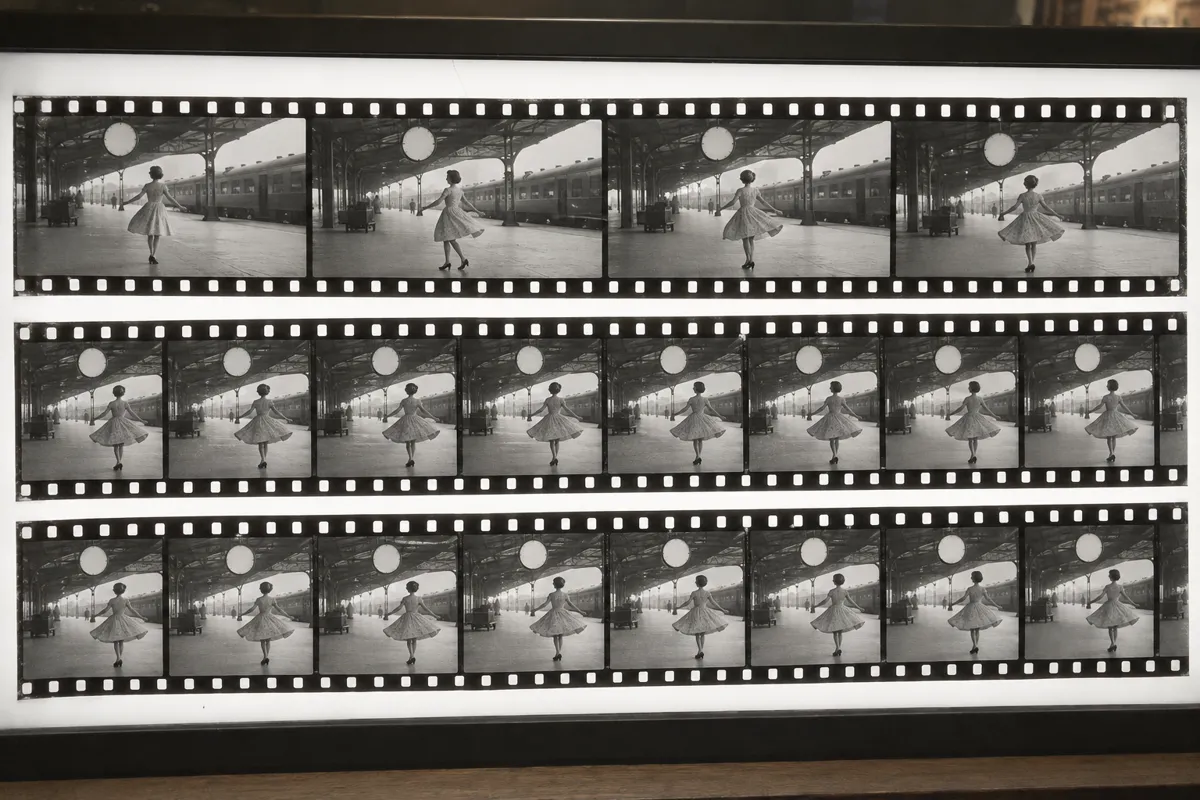
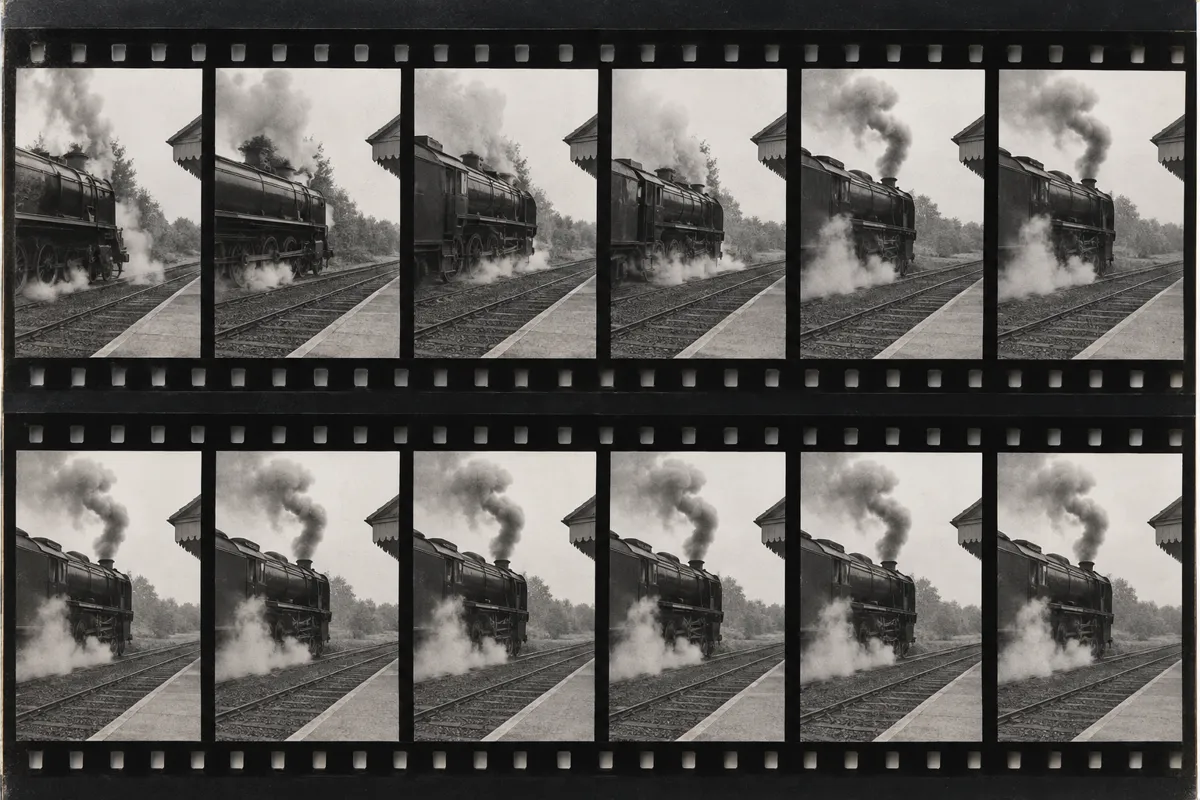
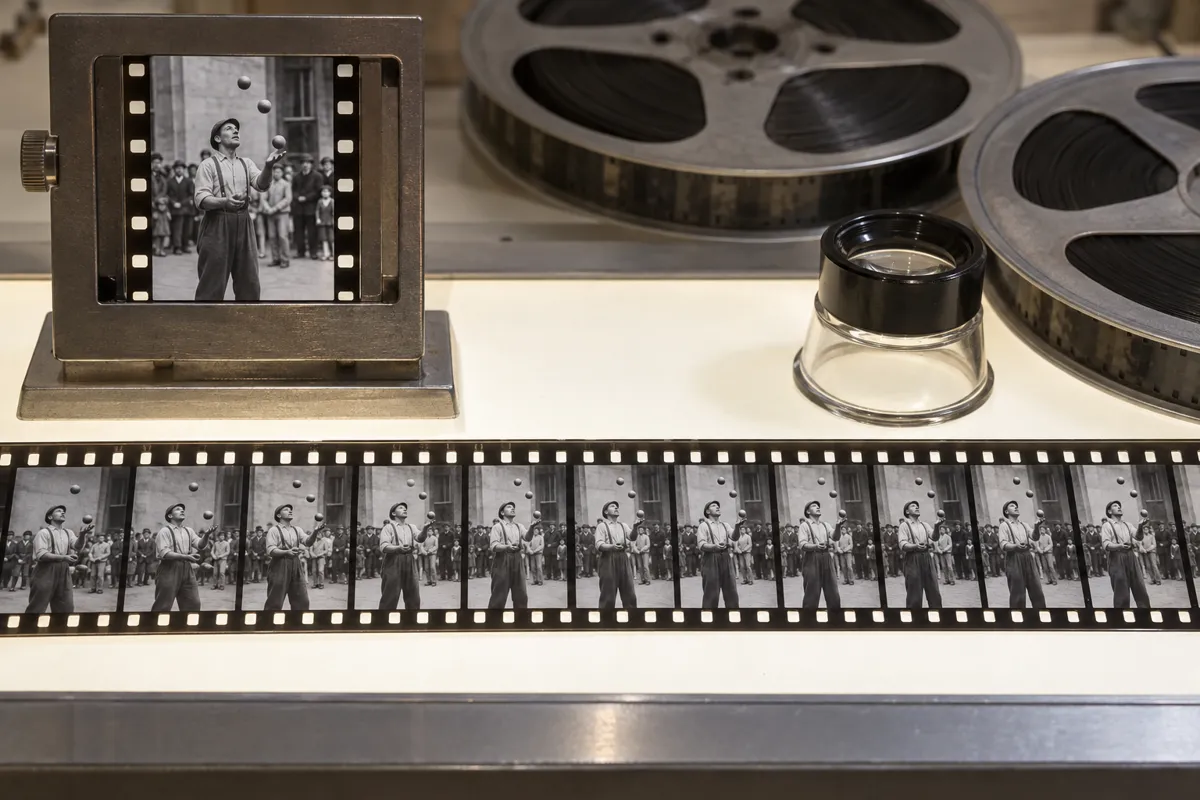
An optical printer1 repeatedly duplicates a single frame of film onto a new negative2. This creates a continuous strip of identical pictures.
Example
François Truffaut: The 400 Blows, 1959.
Try it out
Pause a movie during a fast action scene to see how motion blur affects a single frozen frame.
Background
Filmmakers used an optical printer to create the freeze frame effect. This large machine contained a projector linked to a camera. Technicians loaded the original film into the projector. They chose one specific frame to freeze. The camera photographed this exact frame over and over onto new film. When played back, the identical frames create the illusion of time stopping3. François Truffaut famously used this in 1959 for The 400 Blows. The frozen image left the protagonist's fate ambiguous and suspended. It quickly became a popular narrative tool in modern cinema.
Distinction
A freeze frame is printed directly onto the film strip itself. In contrast, a paused video is a playback function controlled by the viewer.
Aftermath
It shows how stopping time can force an audience to dwell on a character's unresolved emotion.
Further examples · 5 images
Question
Why do older film freeze frames sometimes look grainier than the preceding footage?
Show possible answer +Hide answer −
Duplicating film with an optical printer involves making a copy of a copy. This extra film generation inherently increases visible photographic grain.