Film Tinting
1890s, early silent cinema
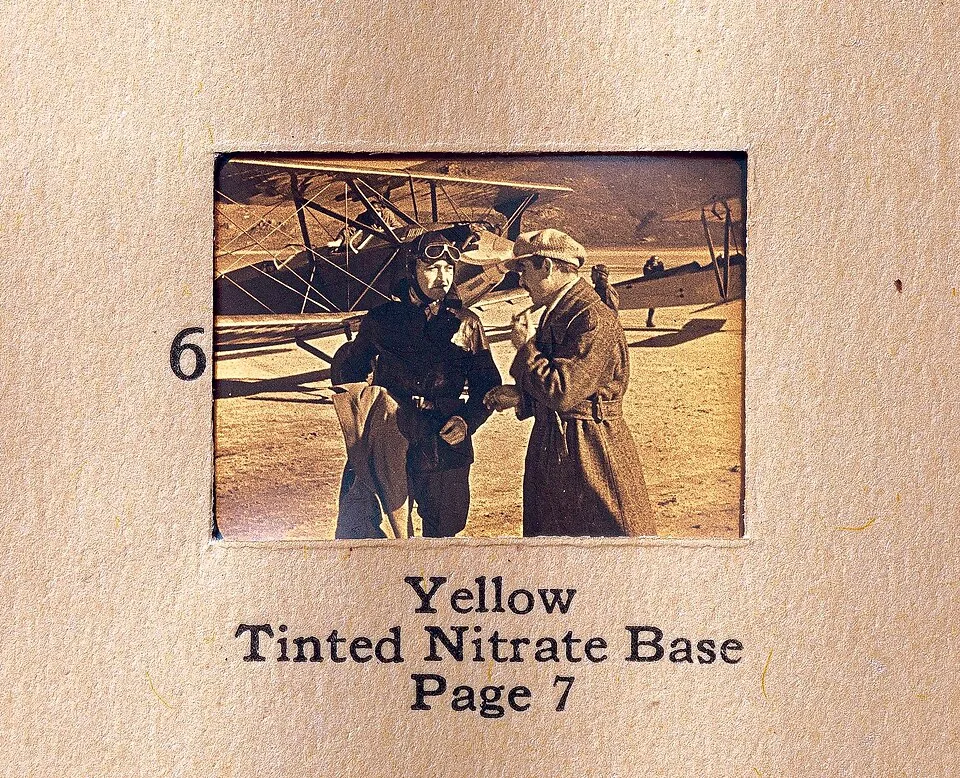
Prompt
Apply the Film Tinting effect by converting the photograph to monochrome and bathing the entire frame in a uniform amber dye. Make highlights glow pale gold, midtones deepen to ochre, and dense shadows remain nearly black, with fine grain and minor emulsion wear. Keep the original subject and composition.
Identify
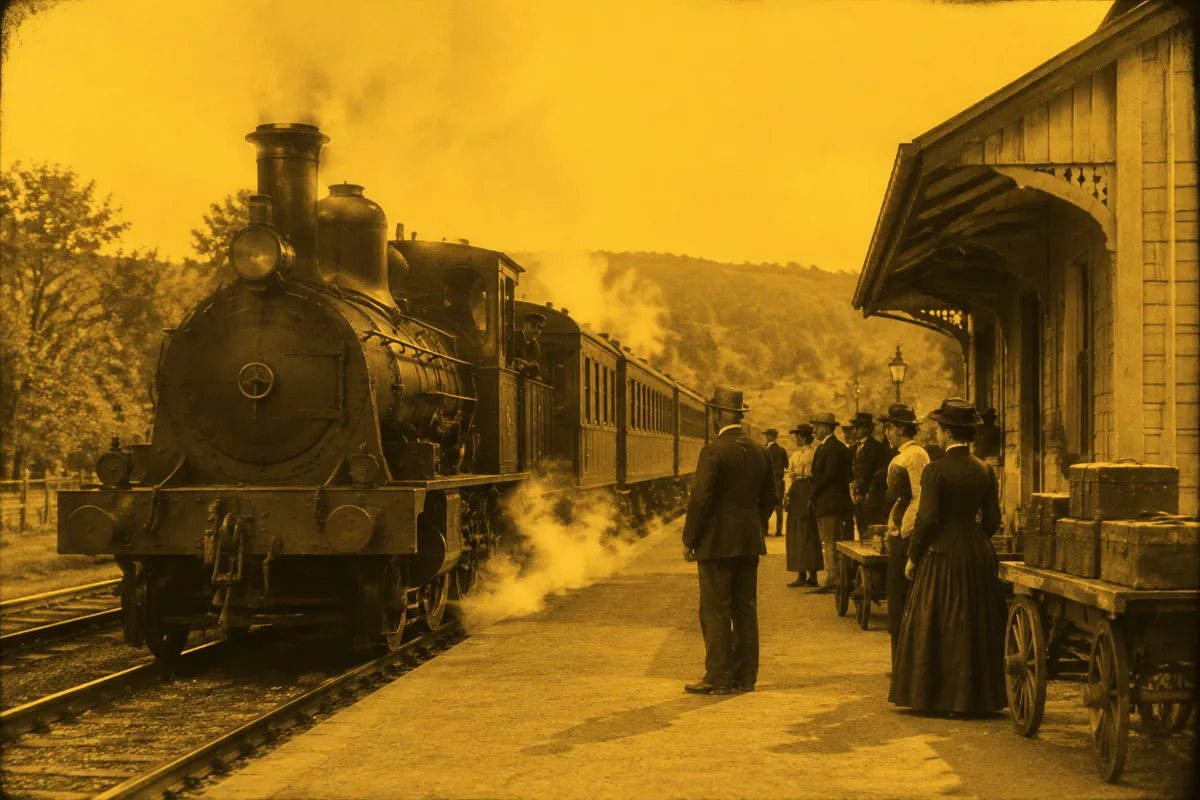
The entire film frame is bathed in a single, uniform color. The light areas take on this bright hue, while the darkest shadows remain mostly black.
Principle
Developed black-and-white film strips are soaked in liquid aniline dyes1. The dye chemically bonds to the gelatin emulsion2 on the film base.
Example
Robert Wiene: The Cabinet of Dr. Caligari, 1920.
Try it out
Watch a tinted silent film scene and note how the single color dictates the overall emotional mood.
Background
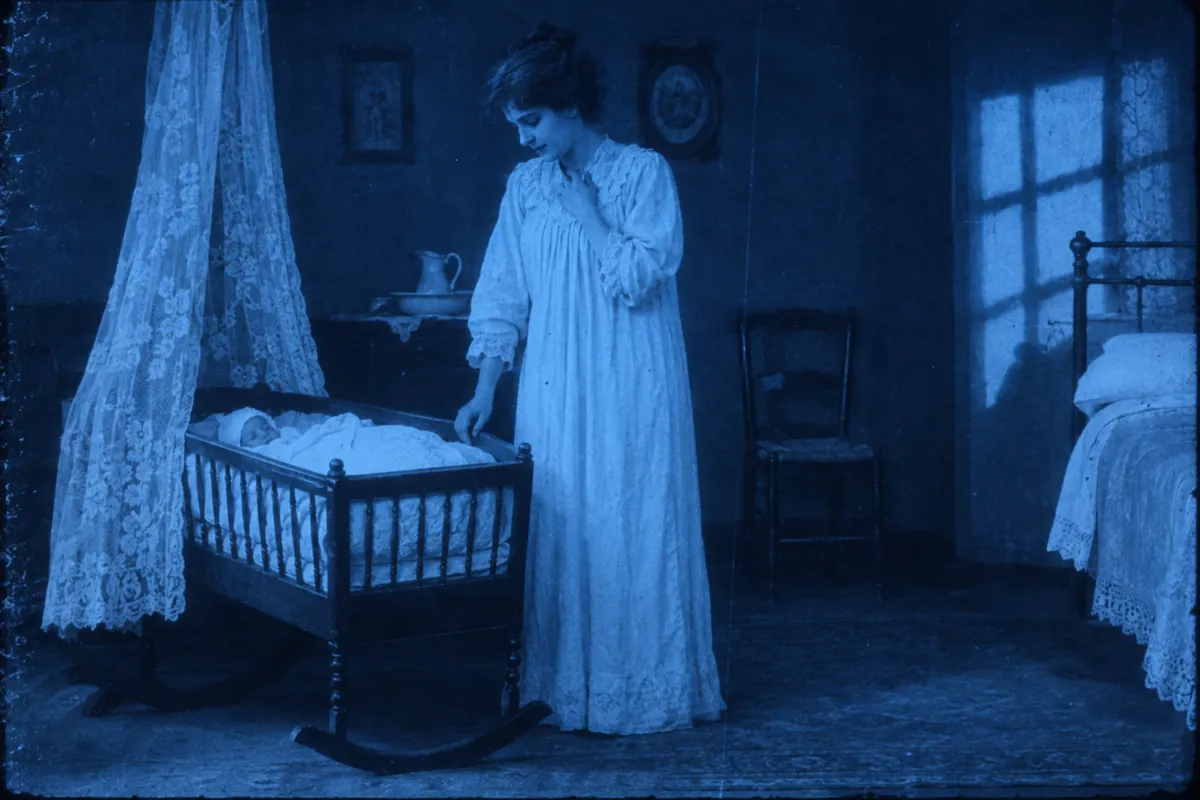
Early filmmakers quickly realized black-and-white images lacked emotional impact and narrative clarity. By the 1900s, they began soaking entire film rolls in colored dye baths. This technique changed the lighter parts of the printed image to a specific color. Studios standardized these colors to signal specific times or settings to the audience. Blue always meant night, while yellow or amber indicated bright daylight. Red signaled fire, danger, or passion, and green represented nature or eerie situations. This cheap, effective method dominated silent cinema until the late 1920s.
Distinction
Unlike film toning, which replaces the dark silver shadows with color, tinting only dyes the lighter gelatin areas. Hand-coloring paints individual objects, whereas tinting washes the whole frame.
Aftermath
It shows how early cinema used clever chemical workarounds to solve narrative and emotional storytelling problems.
Further examples · 7 images


Question
Why did early studios use blue tinting instead of just filming scenes at night?
Show possible answer +Hide answer −
Early film stocks were not sensitive enough to capture images in low light. Filmmakers had to shoot in daylight and tint the film blue later.