Film Colorization
1983–86, expanding computer colorization; Ted Turner becomes a prominent advocate
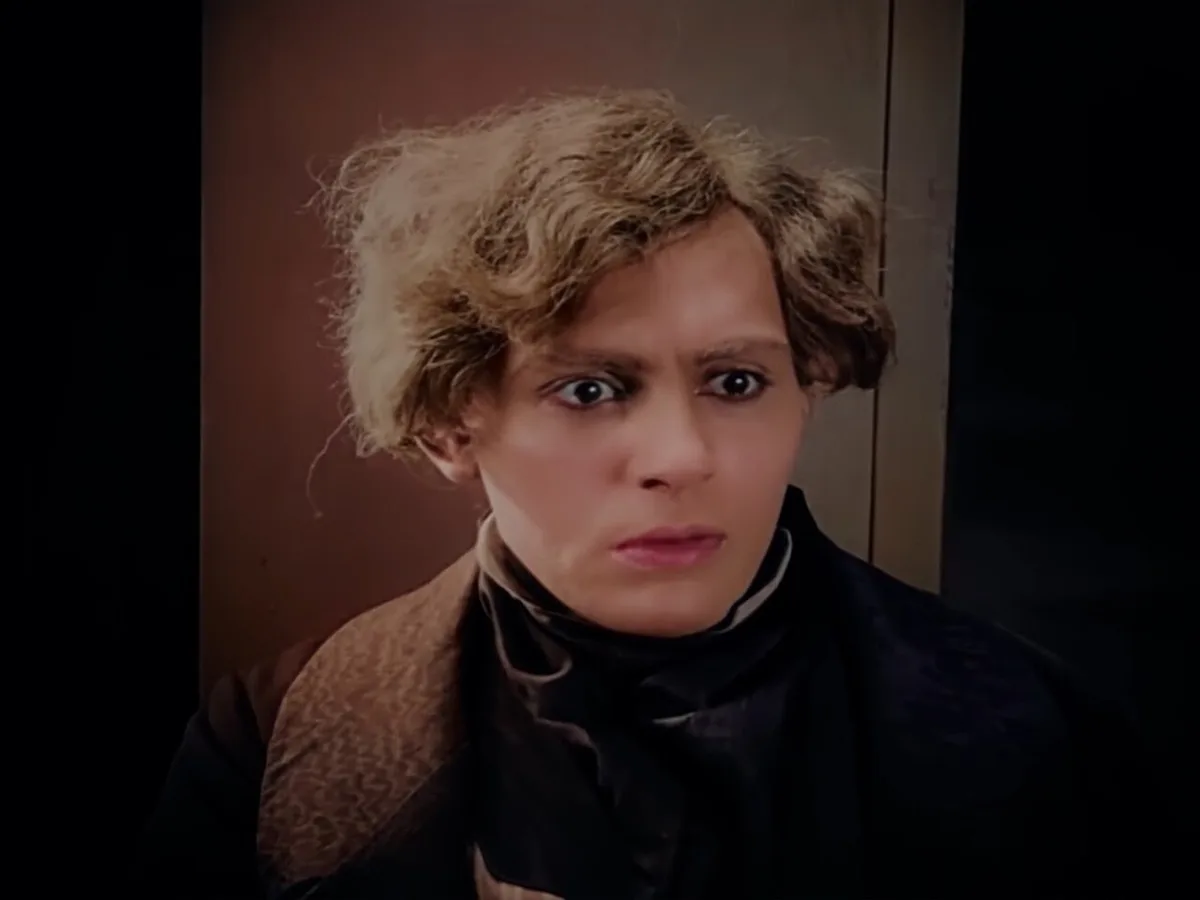
Prompt
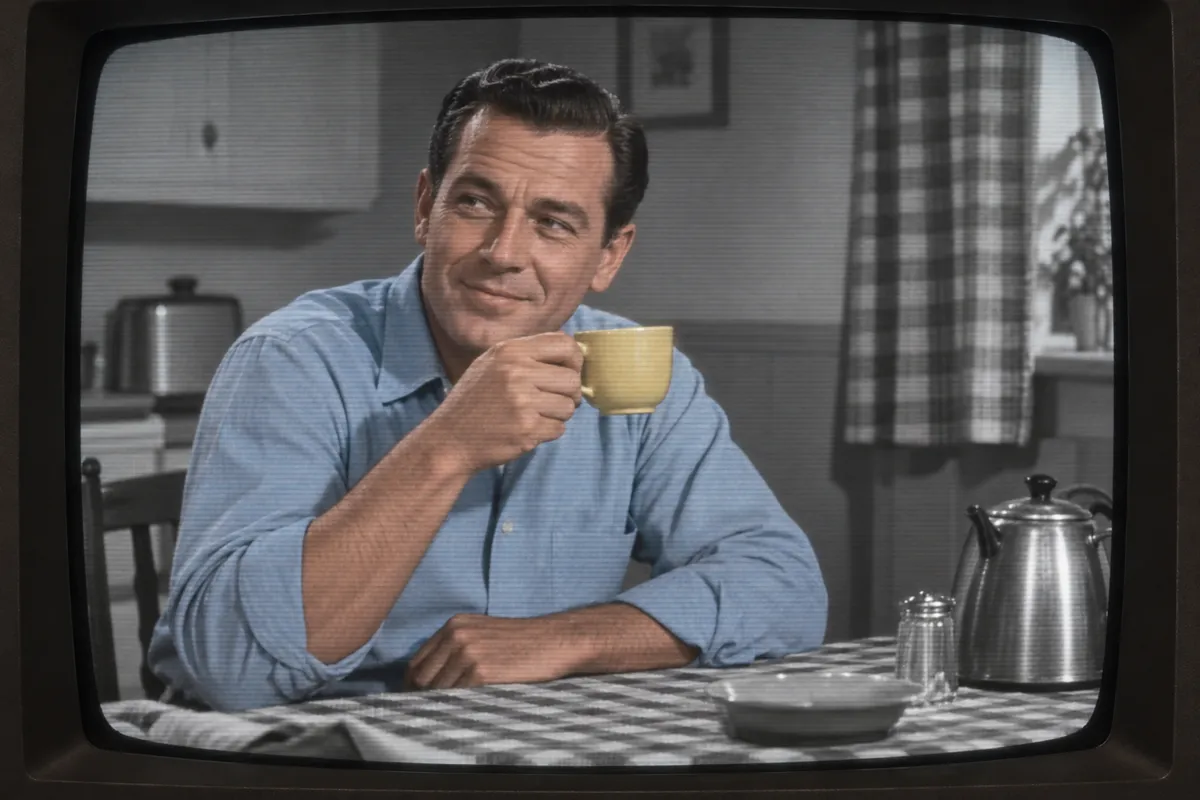
Apply an early Film Colorization effect, retaining monochrome-style luminance and photographic grain beneath broad, muted color regions. Use restrained peach, dusty blue, olive, and faded brown hues, with slightly imprecise color boundaries and limited variation within each material. Preserve the underlying light and shadow. Keep the original subject and composition.
Identify
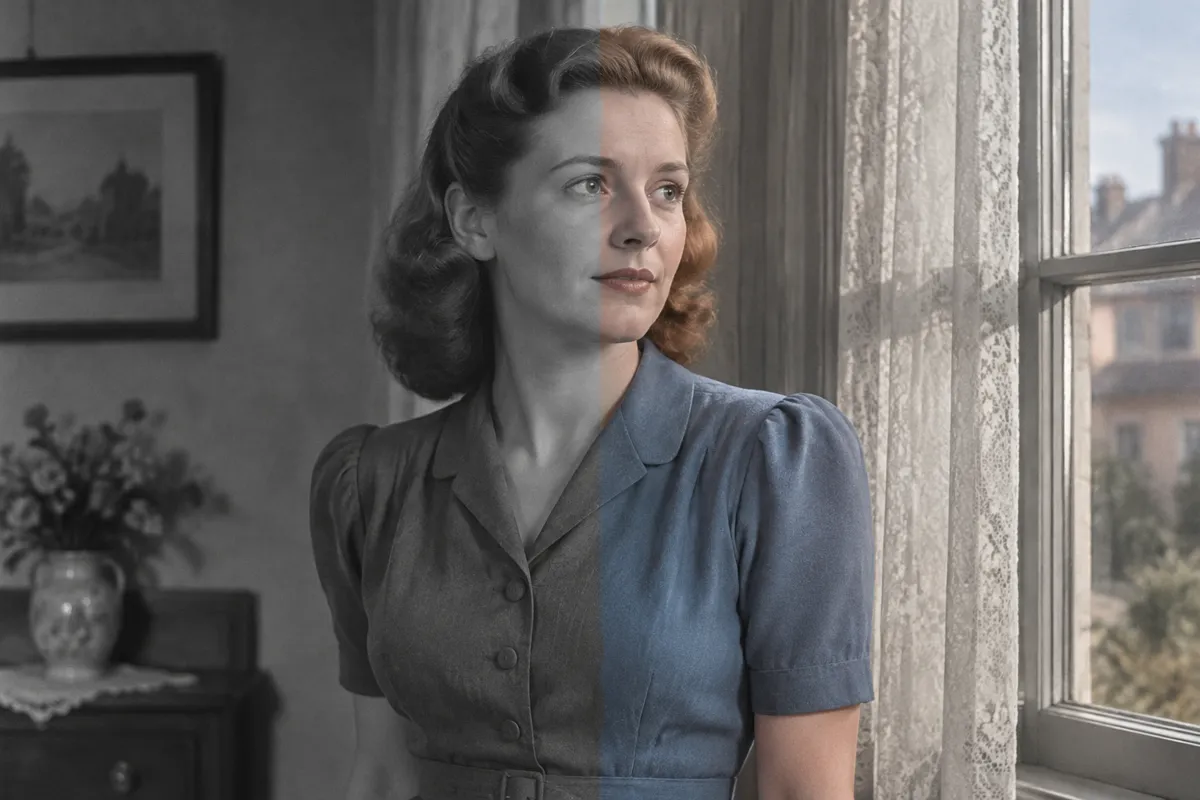
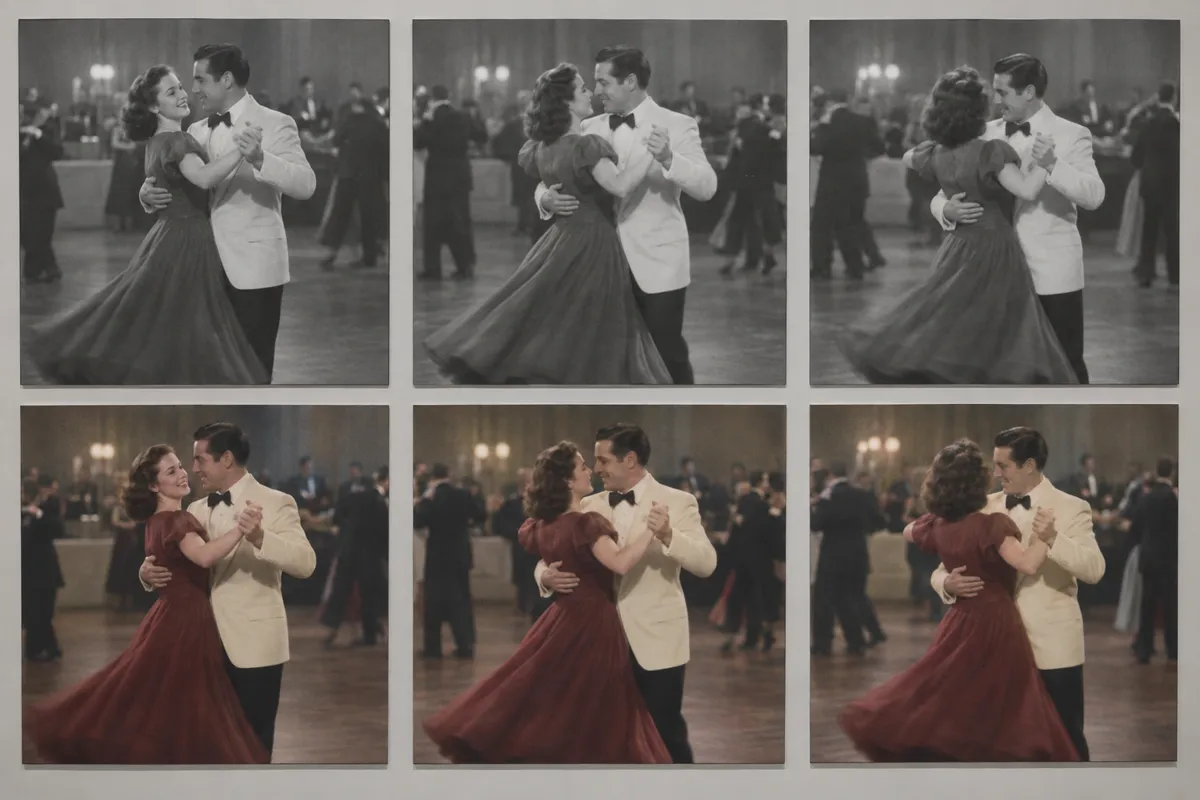
Black-and-white footage gains added hues while retaining its original light and shadow. Early versions often show muted skin tones and broad color areas.
Principle
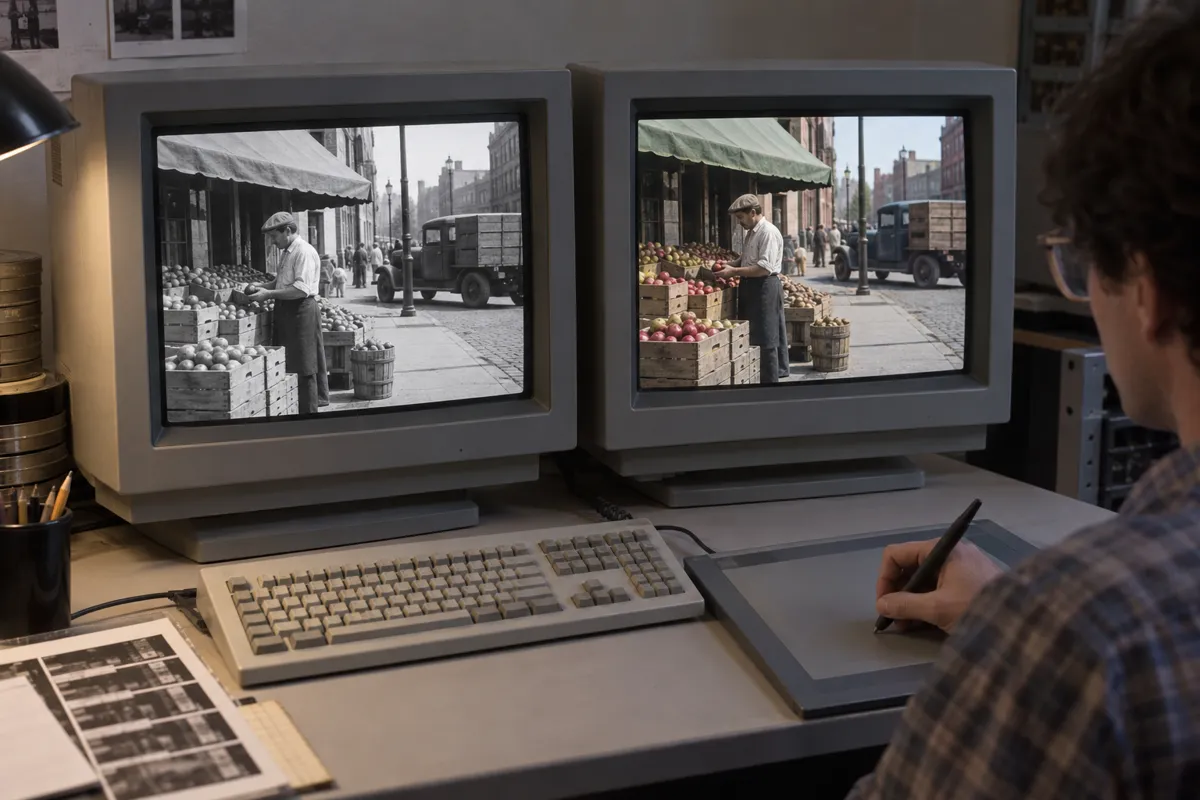
Operators assign colors to selected regions in digitized frames1, then software helps carry those choices across successive frames. The original brightness information2 supplies shading; the added colors are interpretations, not recovered records of the scene.
Example
Hal Roach Studios: It's a Wonderful Life, 1986 (computer-colorized version).
Try it out
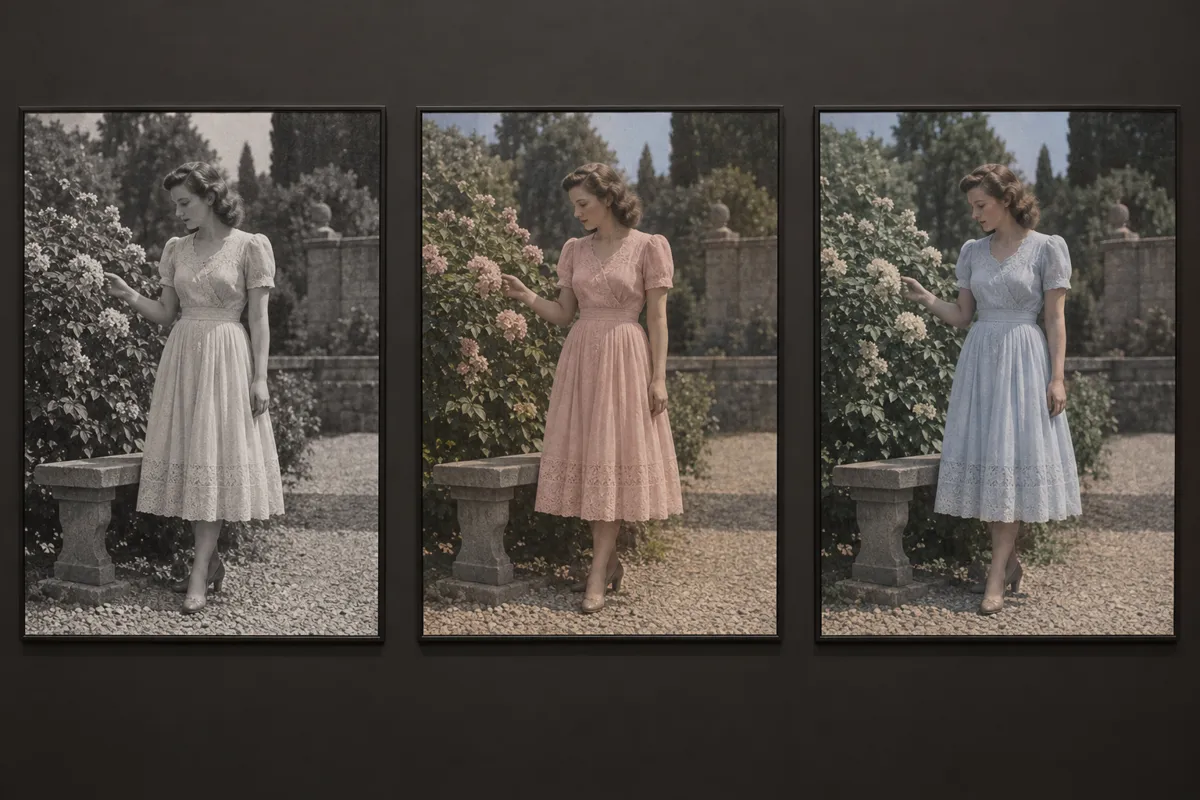
Color a grayscale photograph using a transparent digital layer, then compare how two different skin colors preserve the same shading.
Background
Computer colorization became commercially prominent during the 1980s, building on much older practices of coloring finished film images. Operators selected colors and outlined regions, such as faces, clothing, and backgrounds. Software helped transfer these assignments between frames, while technicians corrected movement and boundaries. The resulting versions circulated through television and home video, rather than changing the original camera negatives3. Ted Turner championed colorized versions of older films, provoking opposition from filmmakers and preservationists. Critics argued that adding color could alter deliberate artistic choices, even when the black-and-white source survived.
Distinction
Unlike photography on color film, colorization adds color after the original image has been recorded. Unlike uniform tinting, it can give different objects different colors within one frame.
Aftermath
Colorization shows how an image can preserve recorded shading while replacing important parts of its visual meaning.
Further examples · 7 images

Question
Can a black-and-white film reveal the exact original colors of clothing?
Show possible answer +Hide answer −
Usually not: different colors can produce the same recorded gray. Colorists need outside references or must make interpretive choices.