H 125 / 3211950s

Anamorphic Widescreen

Anamorphic widescreen. From 1953 onwards: Hollywood's widescreen wave.
Typeface · Antonio

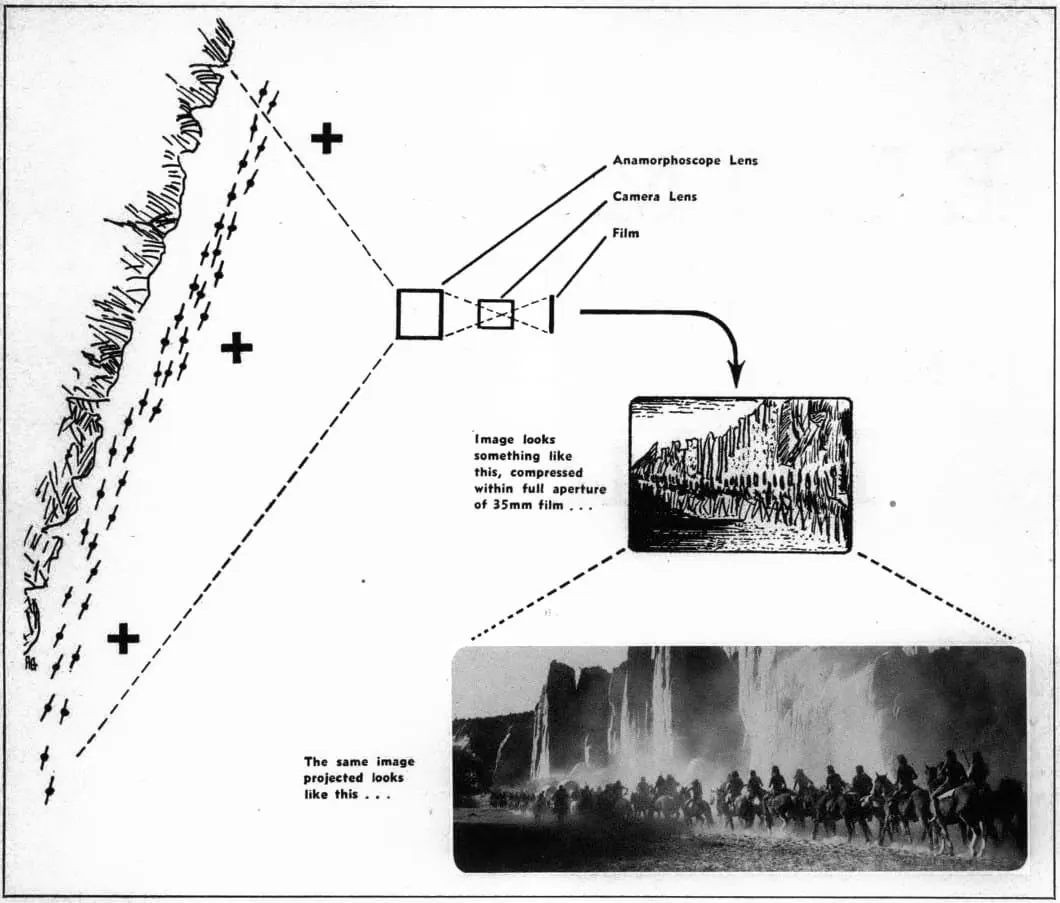
CinemaScope explained: Original diagram, American Cinematographer, March 1953.
CinemaScope explained: Original diagram, American Cinematographer, March 1953.American Society of Cinematographers / American Cinematographer; Historical magazine diagram; no open license stated.View source ↗

Prompt

Apply an Anamorphic Widescreen lens effect with horizontal blue-white light streaks, vertically elongated oval background bokeh, gentle edge softness, and subtle barrel distortion. Suggest expansive cinematic space through peripheral lens rendering rather than cropping, while retaining natural central proportions and restrained film grain. Keep the original subject and composition.

Identify

Depending on the lens, a wide image field shows oval circles of confusion1 and horizontal light reflections.

Principle

The lens compresses the image horizontally on the film. A second lens corrects it during projection.

Example

Henry Koster and Leon Shamroy: The Robe, 1953, in the CinemaScope process.

Try it out

Compare the compressed and corrected images. Distinguish between the aspect ratio2 and optical properties.

Background

Henri Chrétien's optical groundwork in the 1920s; CinemaScope debut in 1953. From 1953 onwards: Hollywood's widescreen wave. Widescreen is a format; flares and bokeh are possible optical properties. Black bars alone do not create an anamorphic look.

Recognize: Wide image field; depending on the lens, oval out-of-focus circles, horizontal light reflections and edge distortion. Mechanism: An anamorphic lens compresses the wide image horizontally on the film. The projection then corrects it. example: Henry Koster / Leon Shamroy: The Robe, 1953. Practice: Compare a compressed image with its horizontally corrected version. Examine for out-of-focus highlights and strong reflections. Distinguish between the wide aspect ratio and the additional characteristics of the lens.

An anamorphic lens compresses the wide image horizontally on the film. Projection then corrects it. Wide field of view; depending on the lens, oval out-of-focus circles, horizontal light reflections and edge distortion. Compare a compressed image with its horizontally corrected version. Widescreen is a format; flares and bokeh are possible optical properties. Black bars alone do not create an anamorphic look.

Distinction

Widescreen is a format; flares and bokeh are possible optical properties. Black bars alone do not create an anamorphic look.

Aftermath

The anamorphic look is continued with real lenses and digitally recreated flares.

Further examples · 7 images

Anamorphic lens illustration with stretching
02 Anamorphic lens illustration with stretchingA 35mm film frame shows a mountain landscape and a green optical soundtrack on the left. The image is horizontally compressed within the frame, illustrating how anamorphic lenses record a wide field of view.Wapcaplet, uploaded by Andreas -horn- Hornig · CC BY-SA 3.0 · Wikimedia Commons
Ruralscope Anamorphic Projection Lense
03 Ruralscope Anamorphic Projection LenseThis is a close-up of a Ruralscope anamorphic projection lens against a neutral background. It shows the hardware responsible for correcting compressed film images back to their original wide aspect ratio during exhibition.Kdmitry · CC BY-SA 4.0 · Wikimedia Commons
Anamorphic lens for Smartphone
04 Anamorphic lens for SmartphoneA modern smartphone lens attachment showing the cylindrical optical element. This shape is responsible for compressing the horizontal field of view while leaving the vertical dimension unchanged.Maximilian Schönherr · CC BY-SA 4.0 · Wikimedia Commons
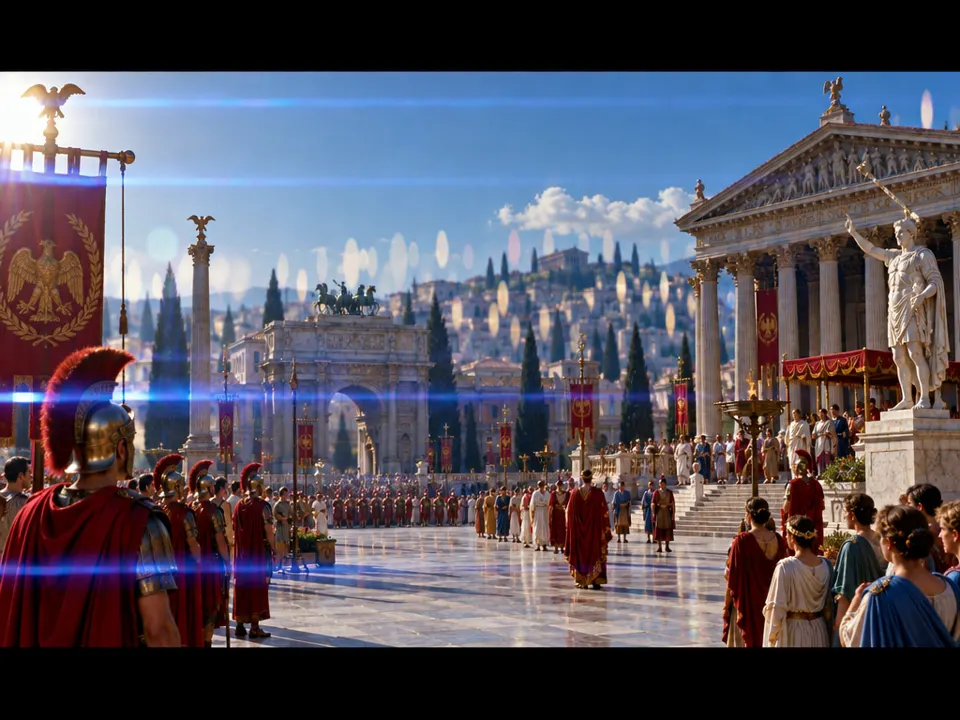
AI illustration: The image displays characteristic blue horizontal lens flares and oval bo
05 AI illustration: The image displays characteristic blue horizontal lens flares and oval boThe image displays characteristic blue horizontal lens flares and oval bokeh. This illustrates the specific optical artifacts produced by anamorphic lenses used in early widescreen processes.Illustration generated for the Atlas (AI)
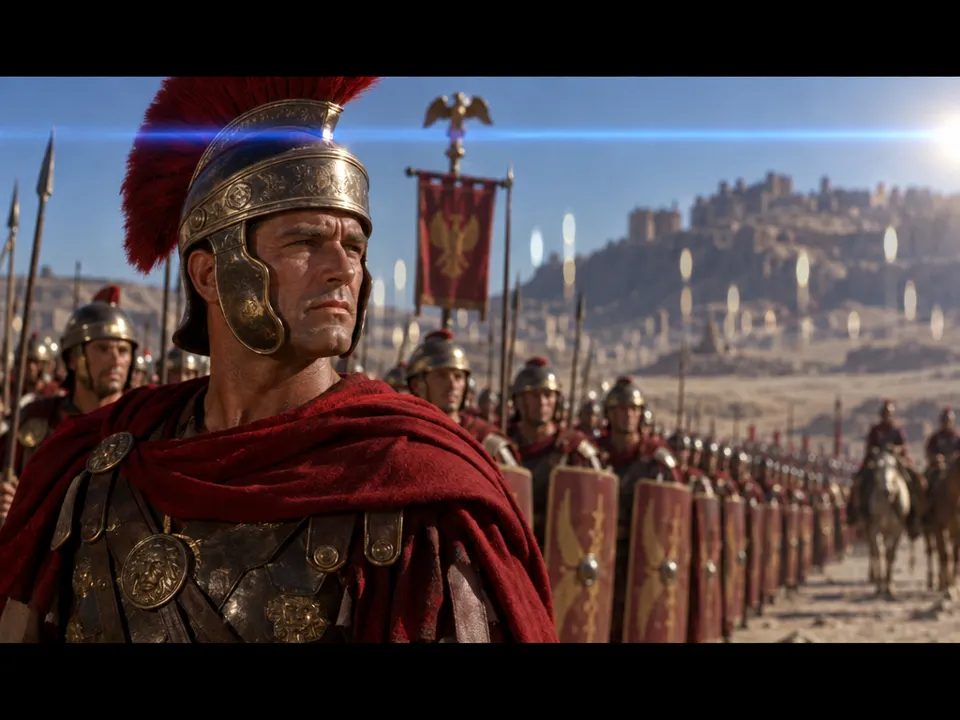
AI illustration: A wide cinematic scene features vertical oval bokeh and a distinct horizo
06 AI illustration: A wide cinematic scene features vertical oval bokeh and a distinct horizoA wide cinematic scene features vertical oval bokeh and a distinct horizontal blue lens flare. These optical artifacts characteristic of anamorphic lenses are presented alongside a letterboxed widescreen aspect ratio.Illustration generated for the Atlas (AI)
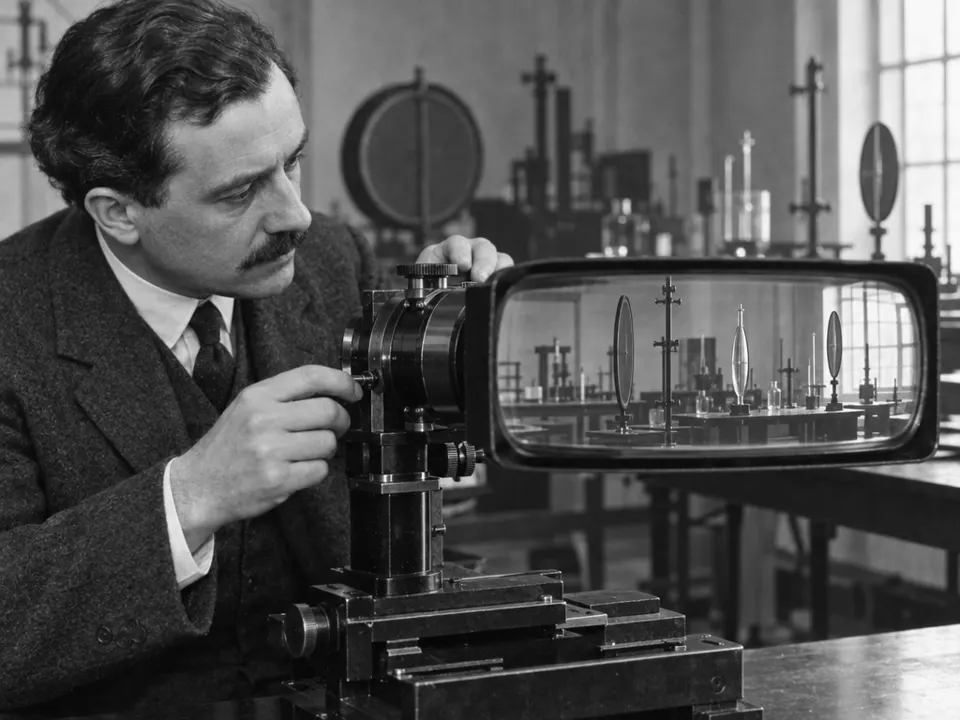
AI illustration: Henri Chrétien works with early optical components for widescreen imaging
07 AI illustration: Henri Chrétien works with early optical components for widescreen imagingHenri Chrétien works with early optical components for widescreen imaging. The cylindrical lens element shown is essential for the horizontal compression required in the anamorphic process.Illustration generated for the Atlas (AI)

Sources