Airbrush Illustration
1920s commercial prominence; nineteenth-century origins
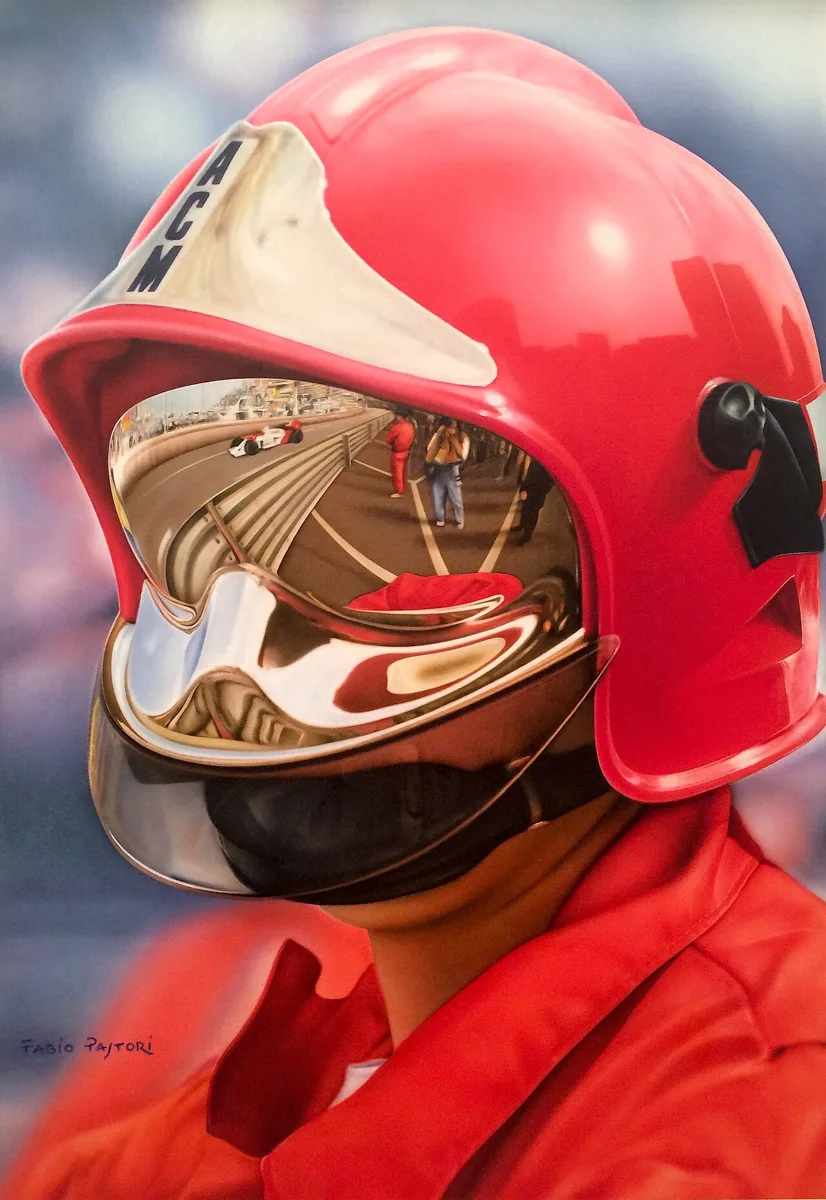
Prompt
Transform this image into an Airbrush Illustration with seamless sprayed gradients, idealized rounded forms, polished highlights, and velvety shadow transitions. Combine soft pigment clouds with crisp masked contours, tiny overspray speckles, and smooth glossy surfaces without visible brushstrokes. Retain recognizable structural details. Keep the original subject and composition.
Identify
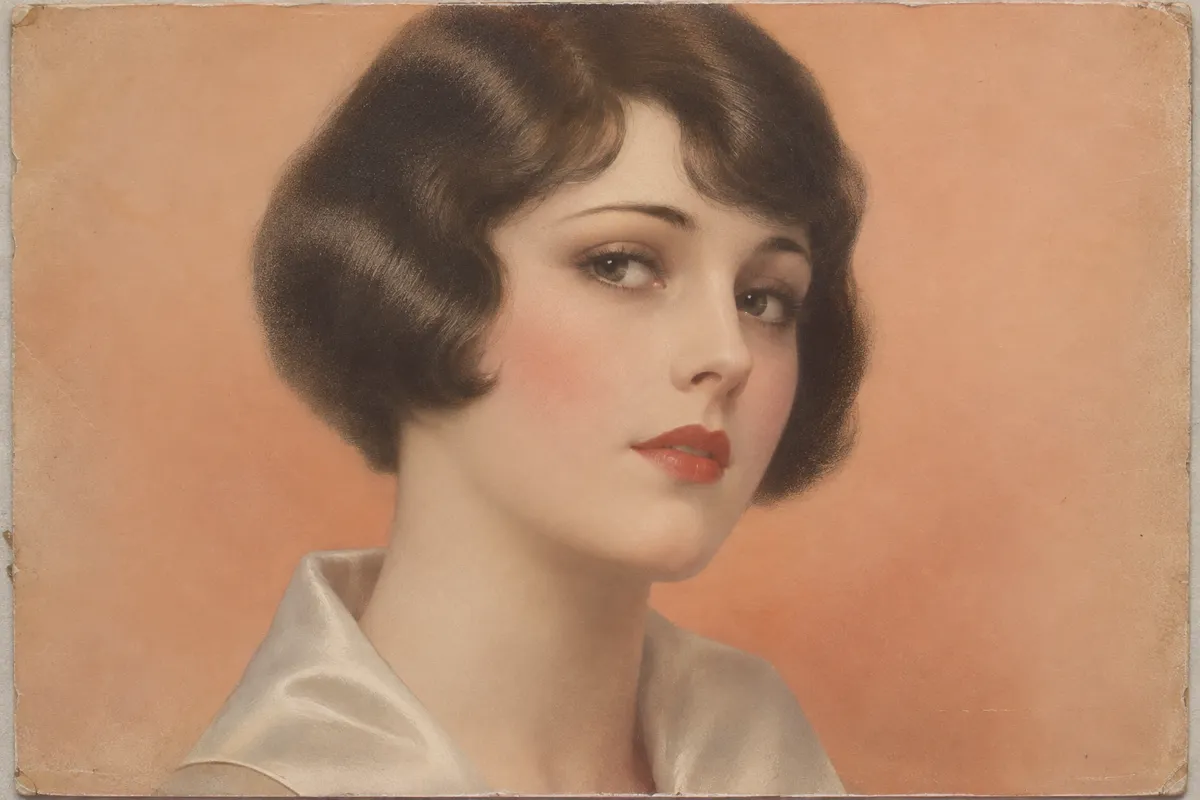
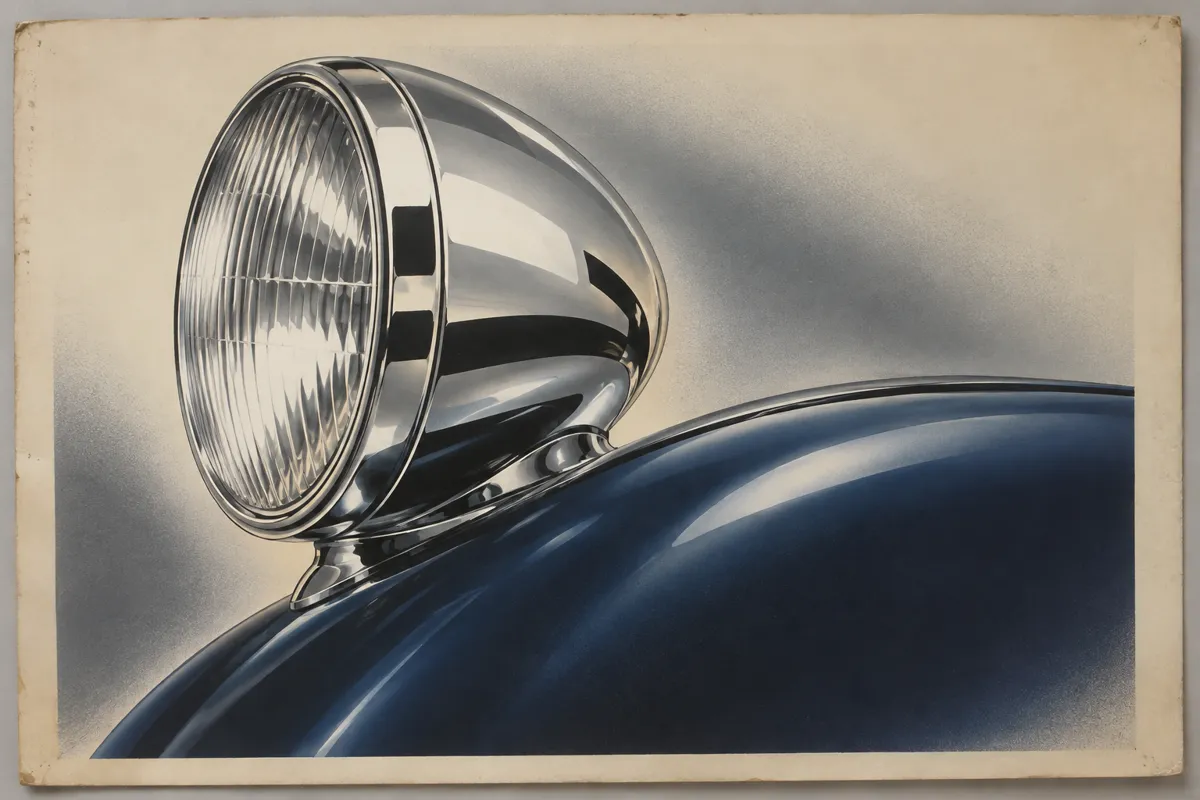
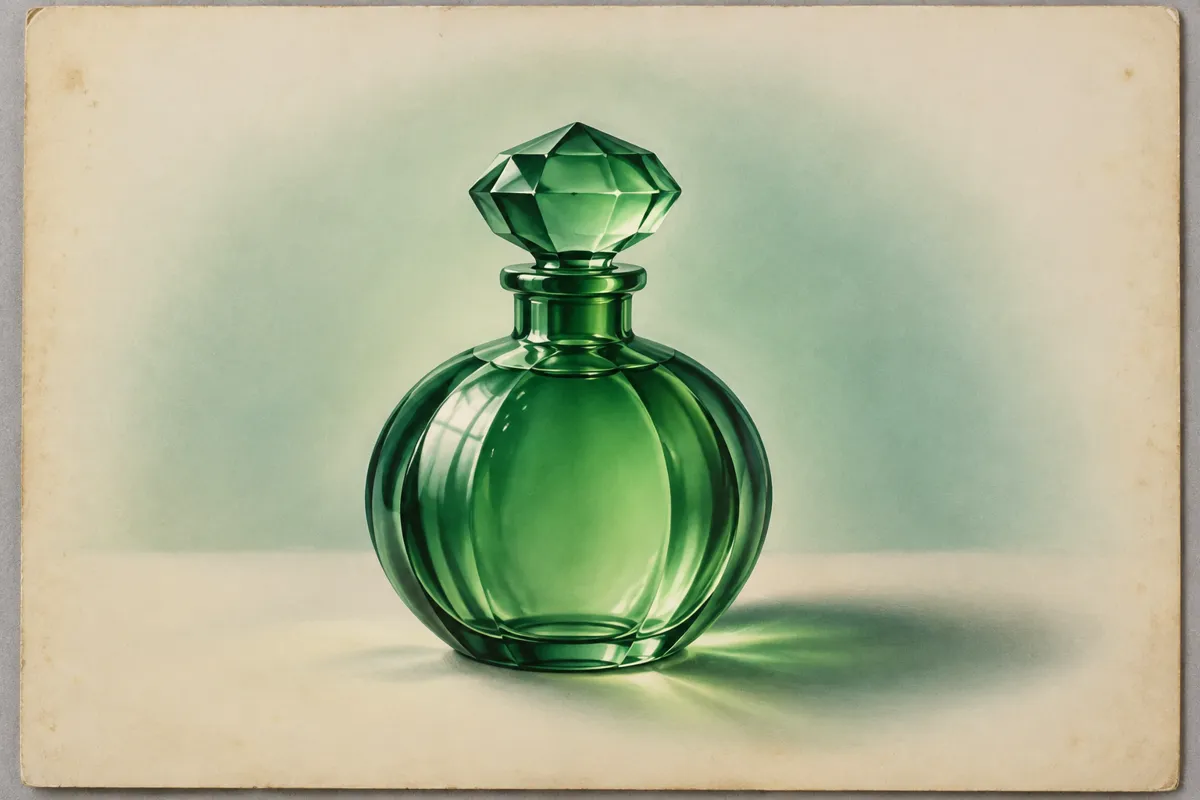
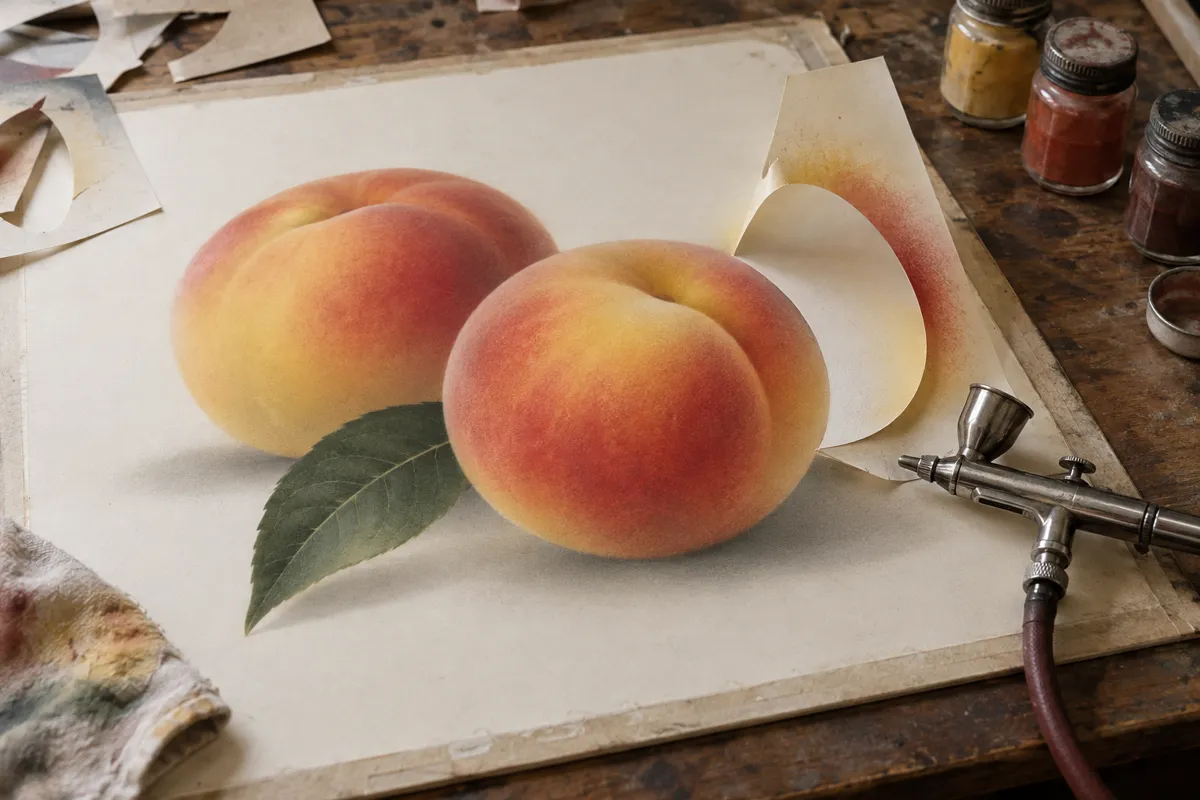
Smooth gradients shape idealized faces, rounded objects, and glossy surfaces with few visible brush marks. Soft transitions meet crisp masked edges, often around lettering or chrome highlights.
Principle
Compressed air1 breaks liquid paint or ink into fine droplets, which build tone through overlapping spray passes. Masks2 block selected areas, while spray distance, paint flow, and hand movement control coverage and softness.
Example
Philip Castle: A Clockwork Orange film poster, 1971.
Try it out
Compare a sprayed edge beside a paper mask with an unmasked edge, using washable paint and following equipment ventilation instructions.
Background
Airbrush tools existed before the 1920s, when commercial artists used sprayed shading alongside the geometric forms of Art Deco3. The technique deposits pigment onto a surface; it does not expose or develop photographic material. Artists build shadows through repeated passes and preserve highlights by leaving areas unpainted or adding lighter paint. Removable masks help separate smooth shading from sharp outlines. Later advertising, pin-up illustration, and record sleeves extended this polished vocabulary. By the 1970s, airbrushed skin and exaggerated chrome reflections were familiar features of commercial illustration.
Distinction
A blended brush painting can also have smooth shading, but an airbrush deposits sprayed droplets rather than spreading paint with bristles. Photographic retouching may use the same tool, but modifies an existing photograph rather than necessarily creating an illustration.
Aftermath
Airbrush illustration shows how controlled shading and selective sharp edges can make flat pigment suggest volume, gloss, and idealized perfection.
Further examples · 7 images

Question
Why can one airbrushed image contain both soft shading and sharply defined edges?
Show possible answer +Hide answer −
Unmasked spray spreads gradually across the surface. A mask blocks droplets at its boundary, producing a sharper edge when held closely against the surface.