H 304 / 3212010s

Light Field Refocus

2010s; Lytro's first consumer camera shipped in 2012
Typeface · Anta

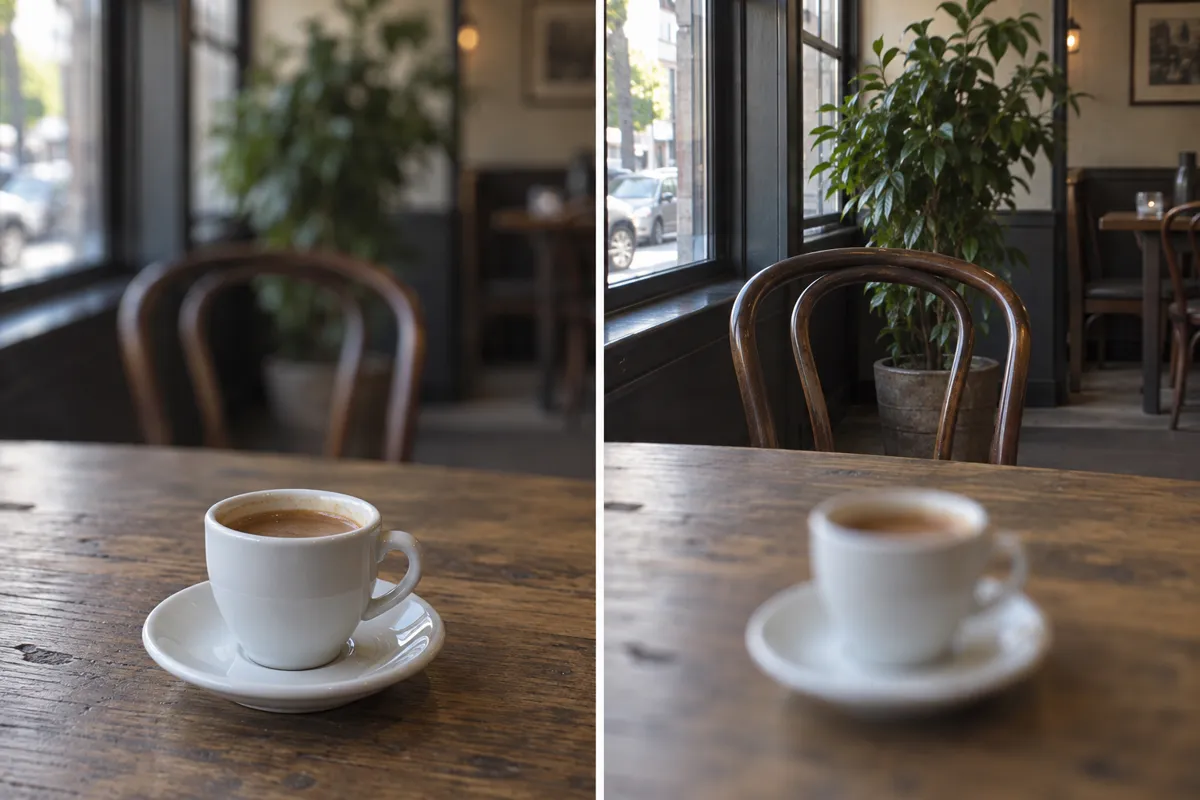
AI illustration: Shifting focus from foreground cup to background cafe.
AI illustration: Shifting focus from foreground cup to background cafe.Illustration generated for the Atlas (AI)View source ↗

Prompt

Apply a Light Field Refocus effect by placing crisp focus on the main subject's depth plane while progressively softening nearer and farther details. Use smooth optical blur, rounded highlight discs, and clean depth boundaries without uniform haze or cutout halos. Keep the original subject and composition.

Identify

The plane of sharp focus shifts between foreground and background within the same captured scene. Soft blur surrounds whichever depth appears sharp.

Principle

A microlens array1 lets the sensor record both light position and light direction during exposure. Software combines these samples to reconstruct different focus distances after capture.

Example

Lytro: First-generation light-field camera, 2012.

Try it out

Open an interactive light-field photograph and alternate between near and distant subjects, watching which details sharpen and which soften.

Background

Light-field photography builds on older research into recording light from multiple directions. During the 2010s, Lytro brought this approach to consumer photography. Its first camera shipped in 2012 and let viewers choose focus after capture. A microlens array behind the main lens divided incoming light into small views on the sensor. Software aligned and combined those views to reconstruct a chosen focus distance. This exchanged some spatial resolution2 for directional information3. Refocusing remained limited by the recorded data; it could not make every distance perfectly sharp.

Distinction

Unlike a rack focus, this changes the selected focus after exposure rather than moving lens focus during filming. Unlike ordinary blur filters, it uses recorded directional information.

Aftermath

It shows that a photograph can store information for several possible focus choices rather than one fixed rendering.

Further examples · 7 images
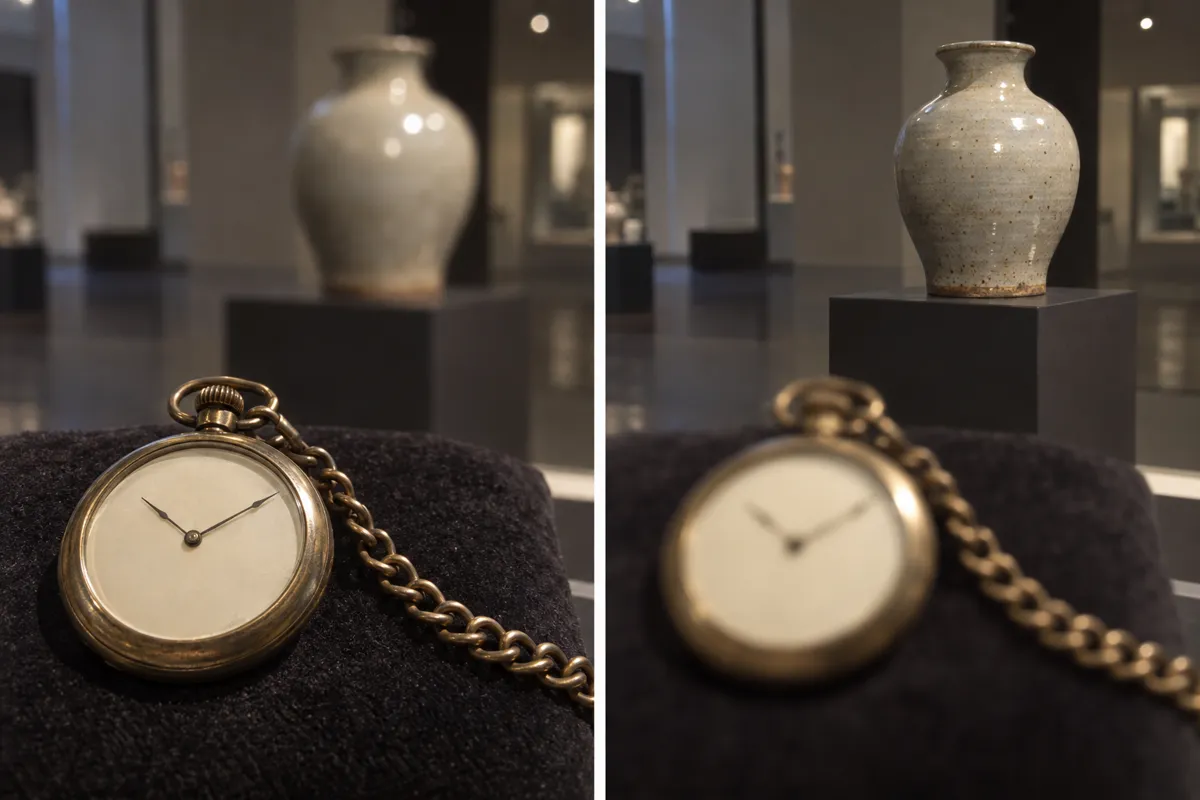
AI illustration: Selective depth reconstruction of museum artifacts
02 AI illustration: Selective depth reconstruction of museum artifactsThe first frame isolates a pocket watch in the foreground, while the second frame clarifies a ceramic vase located further back. The computational refocusing allows for selective depth reconstruction within a single static scene.Illustration generated for the Atlas (AI)
AI illustration: Focal progression through a row of potted plants
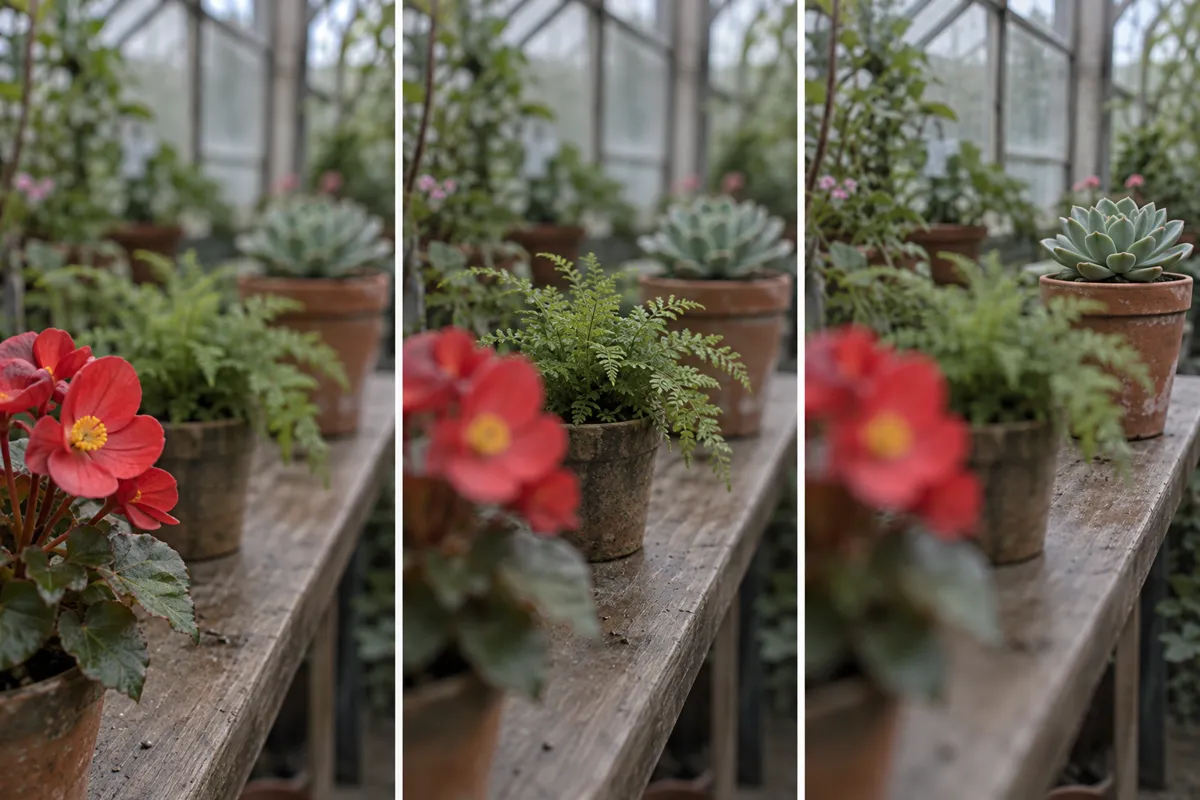
03 AI illustration: Focal progression through a row of potted plantsA sequence of three images shows the plane of focus moving from a red flower, to a green fern, and finally to a succulent. This illustrates how light field data can be reprocessed to highlight specific subjects at various distances.Illustration generated for the Atlas (AI)
AI illustration: Adjustable focal planes in a bicycle repair workshop
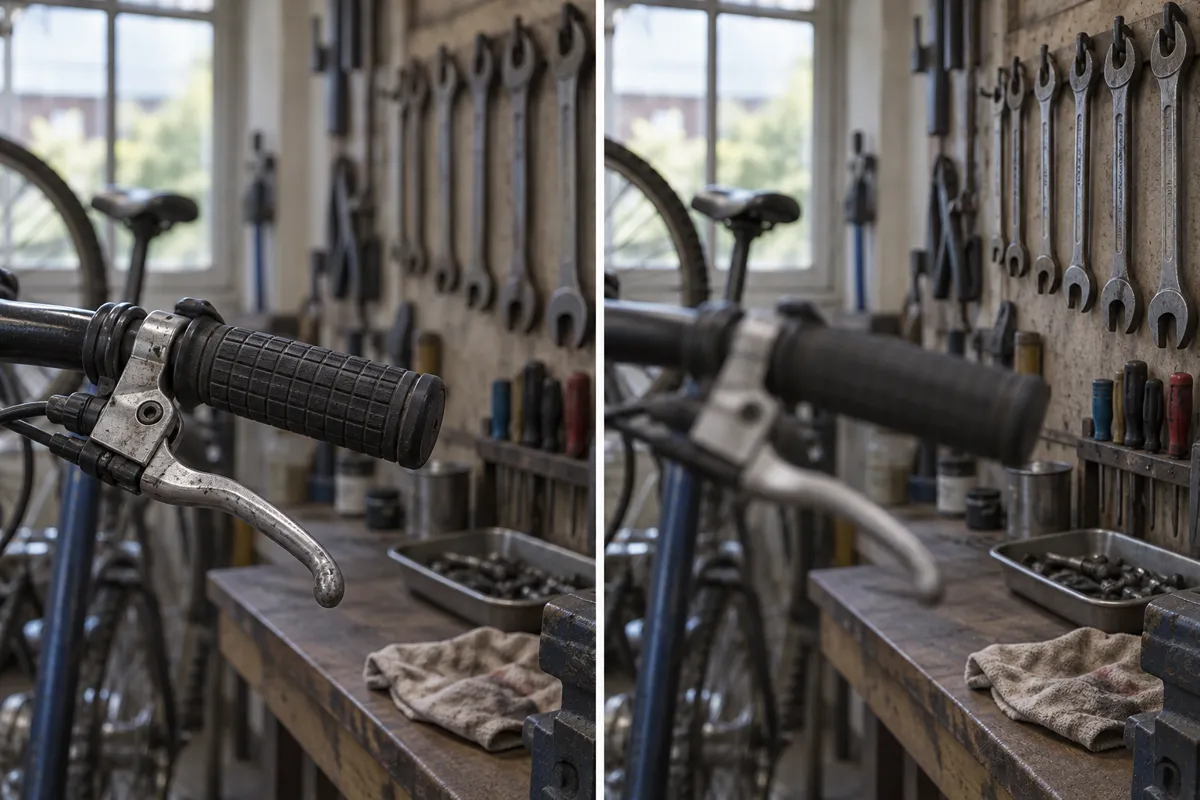
04 AI illustration: Adjustable focal planes in a bicycle repair workshopFocus is toggled between a bicycle handlebar grip in the extreme foreground and a rack of wrenches on the workshop wall. The change in clarity highlights the depth information captured by the microlens array sensor.Illustration generated for the Atlas (AI)
AI illustration: Post-capture refocusing from foreground pet to background clock
05 AI illustration: Post-capture refocusing from foreground pet to background clockA sleeping cat is sharp in the first view, but the focus is transitioned to a clock on a distant mantelpiece in the second. This demonstrates the software-driven ability to redefine sharpness across the captured light field.Illustration generated for the Atlas (AI)
AI illustration: Toggling focus between a seashell and coral specimen
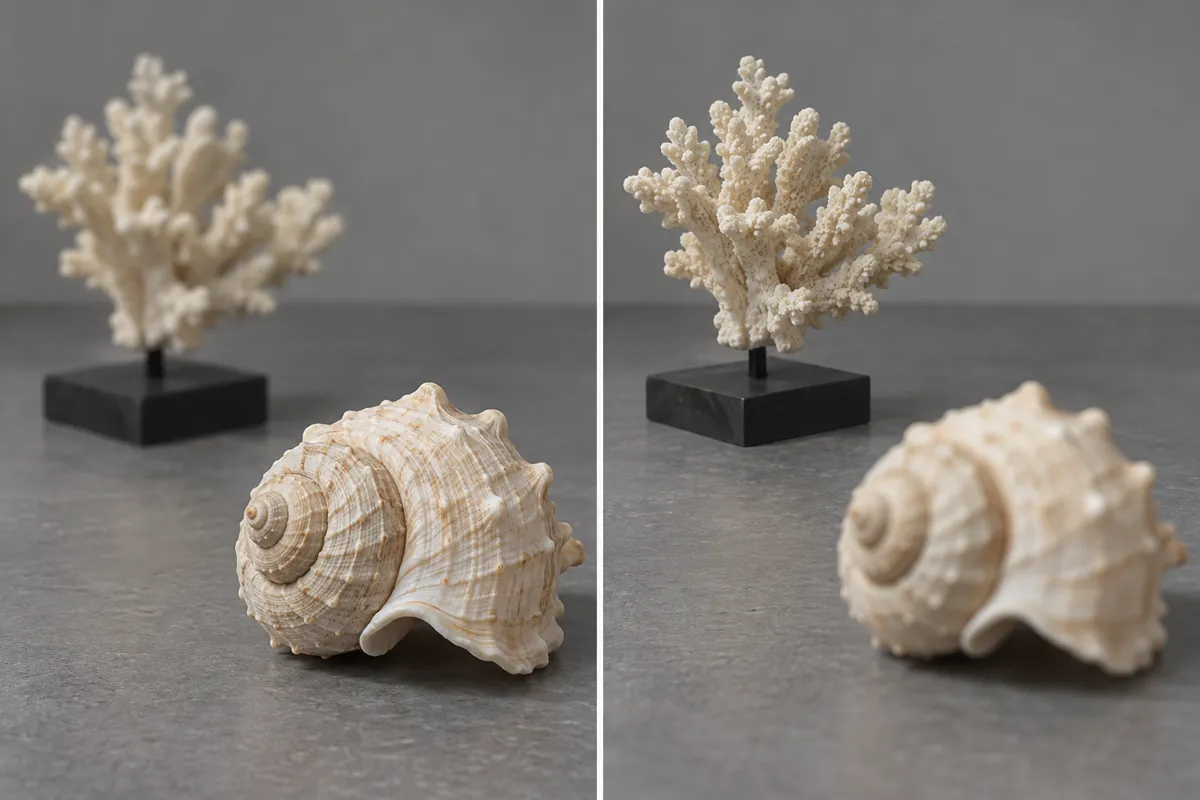
06 AI illustration: Toggling focus between a seashell and coral specimenThe sharpness shifts from a detailed seashell in the front to a coral specimen mounted on a stand behind it. This visual change confirms the capture of directional light data necessary for post-exposure focus adjustment.Illustration generated for the Atlas (AI)
AI illustration: Foreground and background focus transition on a rainy day
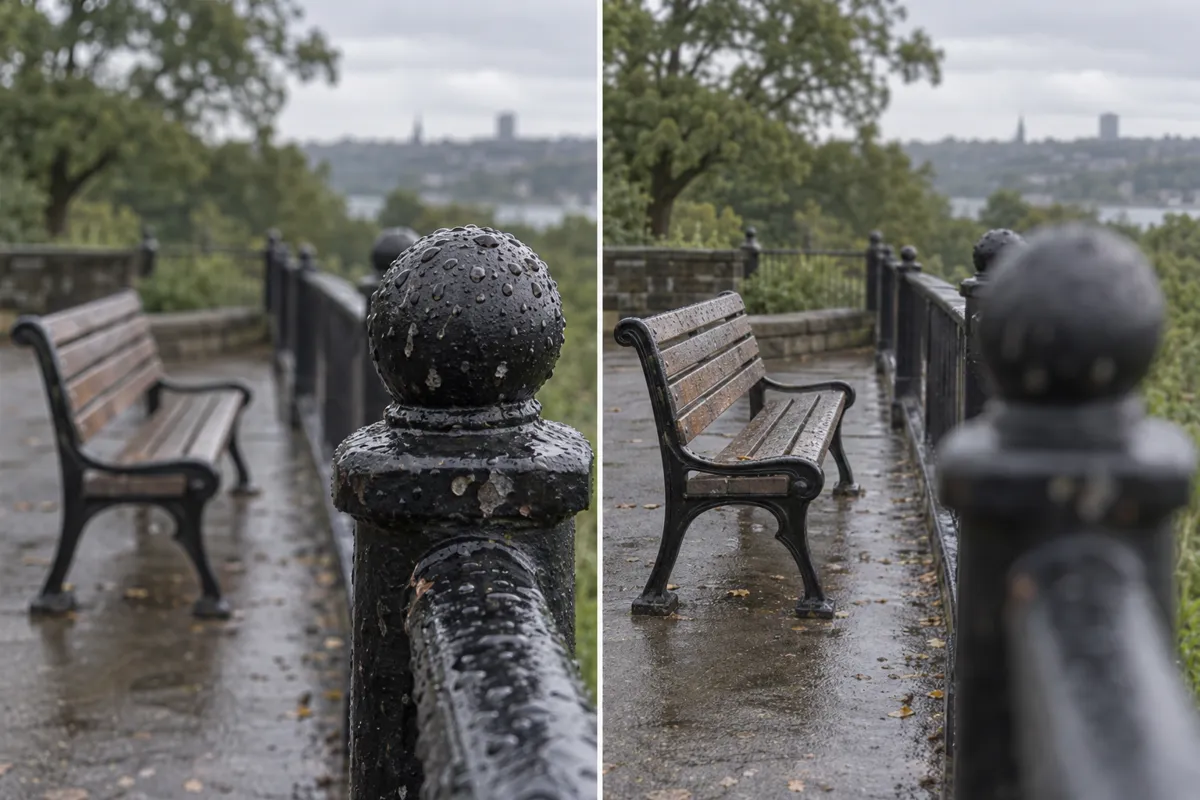
07 AI illustration: Foreground and background focus transition on a rainy dayWater droplets on a foreground railing are rendered clearly before the focus is shifted to a park bench further down the path. The technique allows for the creation of multiple focal interpretations from one light field capture.Illustration generated for the Atlas (AI)

Question

Why can a light-field photograph be refocused more effectively than an ordinary photograph?

Show possible answer +

It records directional information that an ordinary photograph largely combines into a single image. Software uses those extra samples to reconstruct different focus distances.

Sources