H 262 / 3212000s

Digital Color Grading

2000, color correction of O Brother, Where Art Thou?
Typeface · Titillium Web

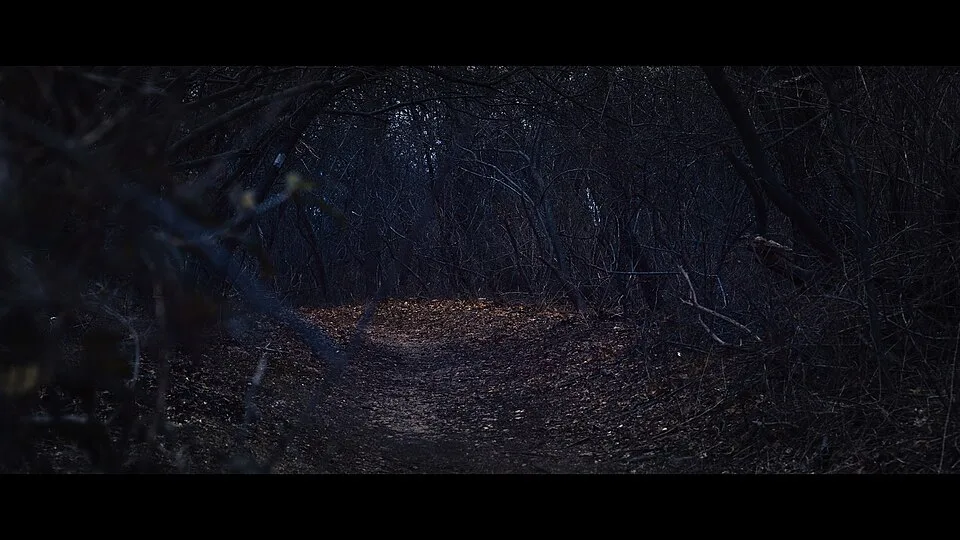
Moody Forest Path with Blue Shadows. A dark forest path is illuminated by a warm central highlight surrounded by deeply blue-tinted shadows.
Moody Forest Path with Blue Shadows. A dark forest path is illuminated by a warm central highlight surrounded by deeply blue-tinted shadows.SavidgeMichael · CC BY 4.0 · via Wikimedia CommonsView source ↗

Prompt

Apply Digital Color Grading with cool blue shadows, warm amber highlights, controlled skin tones where present, and a unified cinematic palette. Deepen blacks, gently compress bright areas, and use selective saturation to establish consistent color relationships across the scene without flattening local detail. Keep the original subject and composition.

Identify

You see a movie where colors look stylized, uniform, or artificially enhanced across entire scenes. Shadows might be tinted blue while highlights are warm, creating distinct visual moods that defy natural lighting.

Principle

Film negatives are scanned into a computer, turning chemical images into digital pixels1. Software then mathematically adjusts the color values of specific areas before printing back to film.

Example

Joel and Ethan Coen: O Brother, Where Art Thou?, 2000.

Try it out

Watch a modern film and look for scenes where every object is bathed in the exact same unnatural green or orange hue.

Background

Before the 2000s, filmmakers changed movie colors chemically. They used color filters and varied light exposure when copying negatives. This process was called color timing2. It only allowed broad changes to the entire frame. In 2000, O Brother, Where Art Thou? changed the industry. The directors wanted a dry, sepia-toned autumn look, but they filmed during a green summer. They scanned the original film into a computer, creating a digital intermediate3. Using software, they digitally isolated green leaves and turned them brown. Then, they printed the digital files back onto physical film. This provided unprecedented control over individual colors.

Distinction

Photochemical color timing alters the whole image globally by adding colored light during physical printing. Digital color grading uses software to alter specific targeted colors or objects within the frame.

Aftermath

It teaches us that digital intervention can completely rewrite the atmospheric reality of a filmed physical space.

Further examples · 8 images

Stylized Red Rose with Teal Foliage
02 Stylized Red Rose with Teal FoliageA bright red rose is isolated against desaturated, heavily cyan-tinted foliage. The stark contrast between the warm red and cool teal leaves clearly shows artificial digital color grading techniques.SavidgeMichael · CC BY 4.0 · Wikimedia Commons
Teal and Orange City Sunset
03 Teal and Orange City SunsetA city street and waterfront at sunset feature deep teal shadows and vibrant orange skies. The image is a classic demonstration of the popular 'teal and orange' digital color grading style heavily used in modern media.Clive Varley from Blackpool, Britain · CC BY 2.0 · Wikimedia Commons
Dark Forest Path With Blue Tint
04 Dark Forest Path With Blue TintThe forest path is enveloped in an unnatural, deep blue tint that defies natural daylight. This heavy color manipulation demonstrates how grading is used to establish a strong atmosphere.SavidgeMichael · CC BY 4.0 · Wikimedia Commons
Widescreen Forest Scene With Moody Blue Grading
05 Widescreen Forest Scene With Moody Blue GradingThe scene is presented in a widescreen format and washed in an artificial, deep blue tone. This clearly demonstrates digital color grading used to set a dark, atmospheric tone.SavidgeMichael · CC BY 4.0 · Wikimedia Commons
Woman Sitting Against Moody Stylized Sky
06 Woman Sitting Against Moody Stylized SkyThe photograph features a distinct teal and warm orange color palette. This stylized look is achieved by digitally adjusting the shadows and highlights to create a specific cinematic mood.Alvin Zulu · CC BY-SA 4.0 · Wikimedia Commons
Moody Blue Tinted Forest Branches
07 Moody Blue Tinted Forest BranchesThe dark branches and background are stylized with a cool, moody blue cast. It effectively shows digital color adjustment used to create a specific cinematic environment.SavidgeMichael · CC BY 4.0 · Wikimedia Commons
Close-up Of Red Rose Against Cyan Leaves
08 Close-up Of Red Rose Against Cyan LeavesThis close-up clearly shows the unnatural color separation between the red flower and the cyan-toned leaves. The mathematical adjustment of specific color values is evident in this stylized look.SavidgeMichael · CC BY 4.0 · Wikimedia Commons

Question

Why did filmmakers scan analog film into computers just to print it back to analog film?

Show possible answer +

Scanning created a digital intermediate that allowed precise software manipulation of specific colors. Theaters at the time only had analog film projectors, requiring a physical print.

Sources